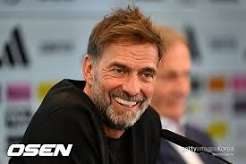
Germany has turned to one of football’s most recognizable leaders, appointing Jürgen Klopp to guide the national team through the 2030 FIFA World Cup. The move brings a coach known for energy, emotional clarity, and tactical conviction back to the touchline at a moment when German football is searching for both direction and belief.
A return with weight
The appointment is striking not only because Klopp is a marquee name, but because it signals how seriously Germany views the next cycle. Klopp left Liverpool in 2024 after a long and demanding spell in charge, saying he was running out of energy, and that departure had seemed to open the door to a long pause from elite management. Now, two years later, he is returning to the dugout with the kind of international assignment that can define a late career chapter.
[bbc](https://www.bbc.com/sport/football/68104699)
For Germany, the choice is about more than celebrity. National teams need leaders who can compress ideas quickly, unify personalities, and create a sense of purpose that survives the gaps between tournaments. Klopp has built his reputation on exactly that blend of emotional authority and tactical momentum, and the federation appears to believe he can translate it to the international stage over a multi year cycle.
[en.wikipedia](https://en.wikipedia.org/wiki/J%C3%BCrgen_Klopp)
Why Klopp now
Klopp arrives with one of the strongest coaching résumés in modern football. He earned admiration for his work at Borussia Dortmund and then turned Liverpool into a relentless, high intensity side that won major domestic and European honors. That matters for Germany because the national team has been under pressure to recapture a clear identity after uneven recent years, and Klopp offers a familiar promise: structure, intensity, and emotional lift.
[skysports](https://www.skysports.com/football/news/11669/13056662/jurgen-klopp-liverpool-manager-to-leave-club-at-end-of-season)
International football, however, is different from club management. A national coach sees players less often, has limited training time, and must build cohesion from a much wider pool of personalities. Klopp’s task will not be to drill a club squad every day, but to create a culture that travels across fixtures, camps, and tournaments. That is a demanding brief, yet it also suits a coach whose strengths lie in communication and trust.
What this means for Germany
The appointment suggests Germany wants more than a tactical reset. It wants a psychological one. The national team has long been measured against a tradition of efficiency, discipline, and tournament resilience. When those traits fade, public scrutiny becomes intense very quickly. Klopp’s presence could restore a sense of rhythm and confidence, the two ingredients that often separate a promising squad from a truly dangerous one.
There is also a practical benefit in his timing. By committing him through the 2030 World Cup, Germany is signaling continuity rather than panic. That gives players and staff a longer runway, which is crucial for a team trying to build a coherent identity across multiple major competitions. International football rewards patience more than many federations are willing to admit.
Klopp’s style and the national team
Klopp’s football has always been recognizable. His teams press aggressively, transition quickly, and play with a pace that can overwhelm opponents when confidence is high. For a national side with talented individuals across Europe’s biggest leagues, that style could work well if the personnel fit the plan. The challenge will be selecting the right blend of leadership, athleticism, and tactical flexibility.
At the same time, Klopp will need to adapt. A national team cannot rely on the same weekly repetition that club football provides. Training time is short, and opponents at major tournaments are often well prepared. The success of his appointment will depend not just on whether Germany plays with energy, but whether it plays with clarity when matches become tight and margins shrink.
The emotional factor
One reason Klopp matters so much is that he makes football feel human. Supporters respond to his body language, his candor, and his ability to turn pressure into something close to shared purpose. That emotional connection was a major part of his appeal at Liverpool, where he became more than a coach and eventually a figure of civic identity.
[theguardian](https://www.theguardian.com/football/video/2024/jan/26/jurgen-klopp-to-step-down-liverpool-manager-end-of-season-video)
Germany may hope that same quality can lift the national mood. International football often becomes burdened by expectation, especially for a team with Germany’s pedigree. Klopp’s biggest gift may be the simplest one: persuading players and fans to believe again, not through slogans, but through visible conviction. In a sport where confidence can collapse in a moment, that matters enormously.
Questions that follow the appointment
Even so, there are unanswered questions. How much freedom will Klopp have over staff choices, scouting, and youth integration? Will the federation shape the long term project around his preferences, or will it expect him to adapt to an existing institutional plan? Those details often decide whether a high profile appointment becomes a genuine transformation or merely a short burst of optimism.
Selection policy will also be watched closely. Germany has a deep player pool, but turning depth into a balanced tournament squad is never easy. Klopp will need to decide how much experience to keep, how much pace to prioritize, and where to draw the line between reputation and form. Those decisions often become the real story once the announcement fades.
The road to 2030
With the 2030 World Cup now the horizon, this is a long project rather than a quick fix. That gives Germany time to build, test, and adjust. It also gives Klopp room to shape the team in phases, which may suit a coach who thrives on relationships and gradual buy in. The key will be whether the federation allows the plan enough room to mature.
[talksport](https://talksport.com/football/4389237/jurgen-klopp-appointed-germany-manager-return-retirement/)
If the appointment works, it could become one of the most important managerial moves in recent German football history. If it fails, the scrutiny will be fierce because Klopp’s name carries such enormous public weight. Either way, the decision shows that Germany is choosing ambition over caution.
Why this appointment resonates
There is something fitting about Klopp returning on a stage this large. He spent years building teams that felt alive under pressure, and national teams often need exactly that quality when the tournament spotlight grows harsh. His return is not simply a comeback story. It is a bet that personality, clarity, and belief can still shape outcomes at the highest level.
For Germany, the appointment also reflects a broader truth about elite sport. History and reputation matter, but so does the ability to renew them. By handing Klopp the team through 2030, the federation is asking him to do what he has done before: turn energy into structure, and structure into results. The challenge is immense, but so is the opportunity.
Readers following Klopp’s career and Germany’s football direction can track broader context through the German Football Association and FIFA.