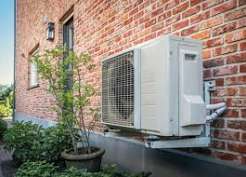
Record summer heat is reshaping the home improvement aisle. Across Europe and North America, retailers are reporting a sharp rise in demand for energy efficient insulation, weatherization supplies, smart thermostats, and heat pump systems as households look for relief that lasts longer than a box fan or a temporary utility rebate. The pattern tells a simple story: when the air outside feels heavy and unrelenting, people stop thinking of comfort as a luxury and start treating it as a basic necessity.
A hotter summer, a faster shopping list
The current wave of demand is being driven by severe heat across both continents, with Europe facing a string of extraordinary heat events this summer and parts of North America also under intense seasonal stress. Recent reports from meteorological and climate agencies described Western Europe’s 2026 heat as exceptional, with multiple countries posting record or near record temperatures and widespread warnings for public health. In that setting, consumers are not only buying portable cooling devices, they are looking at the building envelope itself, asking whether their homes are trapping heat, leaking cool air, or wasting energy every hour the temperature stays high.
That shift matters because it changes the market from short term comfort spending to structural home upgrades. Insulation boards, attic rolls, air sealing kits, smart cooling controls, and high efficiency heat pump systems are all seeing stronger interest because they promise to lower indoor temperatures and reduce electricity bills at the same time. Retail managers describe customers arriving with a new urgency, often after one or two brutal nights when sleep became difficult and indoor rooms never quite cooled down.
Why heat pumps are gaining ground
Heat pumps are attracting unusual attention because they can cool a home in summer and heat it in winter, making them attractive for households that want one system to do more than a conventional air conditioner. Industry data released earlier this year showed strong momentum for heat pump shipments in Europe and renewed interest in electrified home heating in the United States, even as broader home improvement spending remains cautious. In practical terms, that means the same equipment now sits at the intersection of comfort, climate adaptation, and long term cost control.
For many homeowners the appeal is straightforward. A heat pump can be paired with better insulation, sealed ductwork, and smart controls to create a more stable indoor climate with less energy waste. When installed in a well prepared home, it works like a coordinated system rather than a single appliance, and that systems thinking is increasingly shaping buying decisions. Retailers are seeing customers ask not just about unit prices, but about compatibility with insulation levels, window quality, and the age of the existing electrical panel.
Insulation moves from background to frontline
Insulation is often invisible until heat makes it feel like a matter of survival. Attics, crawl spaces, basements, and exterior walls can all become thermal weak points that allow hot outdoor air to seep in and conditioned indoor air to escape. That is why the current surge is not limited to cooling equipment. Retailers say demand for weatherization products has grown alongside demand for cooling systems, because households increasingly understand that a good cooling unit cannot compensate for a badly insulated home.
The market logic is easy to see. If a family spends heavily on a new cooling system but continues losing air through gaps around windows, doors, and roof lines, the investment will underperform. By contrast, adding insulation and sealing leaks can reduce the load on the HVAC system and make indoor temperatures more stable during peak heat. That is especially important for older homes, where construction methods often predate modern energy codes and where heat exposure can be more severe in upper floors and sun facing rooms.
Retailers are feeling the pressure
Home improvement chains and specialty suppliers are trying to keep shelves stocked as demand rises for materials that were once considered seasonal or niche. Heat waves compress buying decisions into a few urgent days. A shopper who postponed replacing attic insulation in spring may now rush to complete the project after a blistering weekend, while contractors are fielding more calls for quick assessments and retrofit estimates. This kind of demand is harder to forecast than routine maintenance because it follows the weather rather than the calendar.
Retailers also face a labor challenge. Installing a heat pump or re insulating an older home takes skilled labor, and the shortage of trained technicians can slow conversion even when consumer interest is high. That bottleneck creates a gap between desire and delivery. In many markets, customers can buy products immediately, but the wait for installation or inspection can stretch for weeks, which in turn encourages some households to make partial upgrades now and schedule larger retrofits later.
How policy and rebates are shaping demand
Public incentives remain a major part of the retrofit story. In several markets, rebates, tax credits, and energy efficiency programs are nudging households toward insulation upgrades and heat pump conversions. The policy backdrop matters because these systems often have a higher upfront cost than a basic window unit or portable air conditioner, even if the long term operating savings are attractive. For many families, the difference between waiting and acting is often a rebate deadline or a contractor who can confirm eligibility.
Government programs also help explain why demand for smart climate control systems is spreading beyond wealthy urban households. When homeowners can combine insulation improvements with a heat pump rebate, the economics become more manageable. For a practical overview of home energy efficiency measures, the U.S. Department of Energy’s guidance on weatherization and heat pumps remains a useful reference at energy.gov, while the International Energy Agency tracks broader market trends in its heat pump analysis at iea.org.
What makes this different from past hot summers
There have always been hot summers, but this one is different in both intensity and consumer response. The current heat has arrived in a period when many households are already sensitive to utility costs, and that combination is changing buying behavior. People are comparing projected energy savings, asking about payback periods, and seeking solutions that do more than provide short lived relief. The result is a more sophisticated shopper, one who sees insulation and cooling as linked investments rather than separate purchases.
There is also a psychological shift. Extreme heat changes how a home feels. Rooms that once seemed cozy can feel stale and oppressive by late afternoon, and sleep deprived families quickly begin to value quiet, efficient cooling and thermal stability. That human experience is driving the sales data more than abstract concern about emissions or policy targets. When a house becomes difficult to live in, retrofit conversations move from theory to urgency.
What homeowners should consider
For homeowners thinking about upgrades, the best first step is usually an energy audit or a professional assessment of the home’s weakest points. A good retrofit plan often starts with insulation and air sealing before adding new cooling equipment. That sequence matters because improving the building shell can reduce the size and cost of the HVAC system needed to keep the home comfortable.
Key questions to ask include whether attic insulation is adequate, whether windows and doors leak air, whether ducts are losing conditioned air, and whether the existing electrical panel can support a heat pump. It is also worth checking local incentives before buying equipment, since rebate programs often have eligibility rules tied to efficiency ratings or installer certification.
The market outlook through late summer
The clearest expectation for the months ahead is continued demand for products that help homes hold steady against high temperatures. Retailers are likely to keep seeing strong sales of insulation, air sealing materials, smart thermostats, and high efficiency heat pumps as long as extreme heat remains a daily concern. If the weather pattern persists, the retrofit market may continue to outperform broader discretionary home improvement categories that rely on optional spending.
We are likely seeing a longer transition, not a passing spike. As summers grow more punishing, households are learning to think like building managers, weighing thermal comfort, energy use, and resilience together. That change is already visible in the checkout line and in the contractor calendar, and it may prove to be one of the most durable consumer shifts of the season.