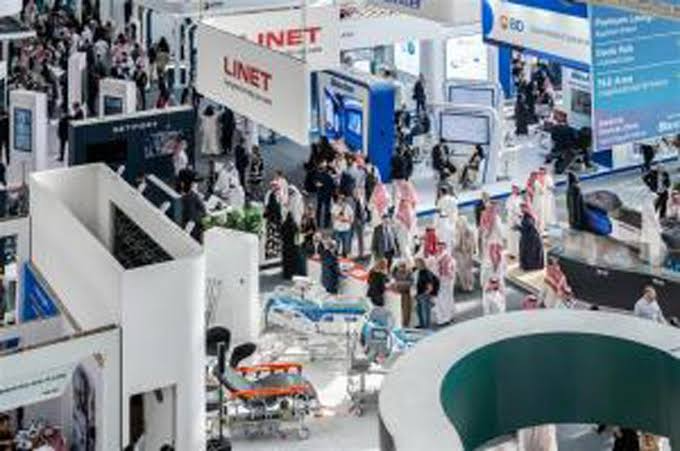
Riyadh is drawing renewed attention from the global healthcare community as more than 2,200 health technology brands and 120 international speakers come together around a shared challenge: how to move artificial intelligence and digital healthcare from promising demonstrations into practical systems that improve patient care. The gathering, highlighted on August 12, 2026, places AI powered diagnostics, connected clinical infrastructure and digitally delivered care at the center of conversations about the future of healthcare.
Riyadh Becomes a Meeting Point for the Next Phase of Healthcare
The scale of the gathering reflects how quickly healthcare technology has moved from a specialist field into a core part of health system planning. Hospitals, technology companies, clinicians, investors and policymakers are increasingly discussing the same question from different perspectives: how can technology solve real problems for patients and medical professionals without creating new barriers?
That question gives the Global Health Exhibition particular significance. The event brings together healthcare innovators and decision makers around subjects ranging from digital health and artificial intelligence to diagnostics, medical devices, clinical infrastructure and new models of care. Its broader objective is to encourage partnerships that can take successful technologies beyond individual hospitals and into larger health systems.
For patients, that shift can have tangible consequences. A more connected hospital can reduce delays between departments. A reliable digital record can give clinicians faster access to relevant information. AI assisted diagnostic systems can help doctors identify patterns that may require closer examination. Remote care platforms can also make specialist support more accessible to people who live far from major medical centers.
AI Diagnostics Move Closer to Everyday Clinical Practice
Artificial intelligence is expected to remain one of the most closely watched areas of healthcare innovation. The discussion is no longer limited to whether AI can perform a particular medical task. Healthcare leaders are increasingly focused on how these systems can be introduced safely into existing clinical workflows.
AI can support clinicians by examining large volumes of medical information, identifying patterns in diagnostic images and helping prioritize cases that may require urgent attention. In laboratories, intelligent systems can assist with analysis and workflow management. In radiology, computer assisted image analysis can help clinicians review scans more efficiently. In hospitals, predictive technologies can potentially support capacity planning, patient flow and resource allocation.
Yet technology alone does not guarantee better healthcare. The value of an AI system depends on the quality of the data used to develop and evaluate it, the clinical environment in which it operates and the ability of medical professionals to interpret its recommendations. Questions around patient privacy, cybersecurity, accountability, bias and clinical validation therefore remain central to responsible adoption.
The World Health Organization’s digital health resources provide a useful global framework for considering how digital technologies can support health systems while keeping patient needs, safety and equity at the center of implementation.
Connected Clinical Infrastructure Could Change How Hospitals Operate
Another major theme surrounding the gathering is connected clinical infrastructure. Modern healthcare depends on many systems working together, including electronic medical records, diagnostic equipment, laboratory systems, pharmacy platforms, patient monitoring devices and hospital management software.
When those systems operate in isolation, clinicians can spend valuable time searching for information or manually transferring data. When they communicate effectively, the same information can move more smoothly through the patient’s journey.
Connected infrastructure can also support continuous monitoring. Devices can collect vital information and transmit it to clinical teams, while hospital platforms can provide a broader view of bed availability, patient movement, equipment usage and operational demand. For health systems under pressure, these improvements can matter just as much as the latest medical device.
The challenge is making different technologies work together securely. Healthcare organizations often operate a mixture of old and new systems, making interoperability one of the most practical obstacles to digital transformation. Investment therefore needs to cover not only new technology but also integration, cybersecurity, staff training and long term maintenance.
Digital Care Is Expanding Beyond the Hospital
The gathering also highlights a broader change in the definition of healthcare. Care is increasingly moving beyond the walls of hospitals and clinics through telemedicine, remote monitoring, mobile health applications and connected medical devices.
For someone living in a remote community, a virtual consultation may eliminate hours of travel. For an older patient managing a chronic condition, remote monitoring can provide clinicians with regular information without requiring frequent hospital visits. For healthcare professionals, digital communication tools can make collaboration between specialists faster and more practical.
However, successful digital care requires more than an application or video consultation. Patients need reliable connectivity, accessible interfaces and confidence that their personal information is protected. Clinicians need systems that fit naturally into their workload rather than creating another administrative burden.
This human element will remain critical as healthcare organizations expand digital services. The most effective technology is often not the technology that appears most impressive in a demonstration. It is the technology that quietly removes friction from a patient’s experience and gives medical professionals more time to concentrate on care.
Saudi Arabia’s Vision Creates a Larger Context
Saudi Arabia’s healthcare technology ambitions are closely connected with the Kingdom’s wider Vision 2030 program. Healthcare reform has placed greater attention on digital services, private sector participation, modern infrastructure and more integrated models of care.
The Global Health Exhibition provides an international setting for those priorities to meet companies and healthcare leaders from outside the Kingdom. The result is more than a technology showcase. It creates opportunities for partnerships, investment discussions, clinical collaboration and the exchange of experience between different health systems.
The Saudi Vision 2030 platform outlines the Kingdom’s broader national development strategy, including priorities connected with healthcare and digital transformation.
Why International Collaboration Matters
Healthcare challenges rarely stop at national borders. Aging populations, chronic diseases, healthcare workforce shortages, rising costs and unequal access to specialist services affect countries across different regions.
That makes international collaboration particularly valuable. A technology developed in one market may solve a problem in another, but successful adoption requires an understanding of local regulations, clinical practices, infrastructure and patient expectations.
The presence of international speakers and thousands of participating brands creates an environment where those differences can be discussed directly. Clinicians can assess whether a technology has practical clinical value. Investors can evaluate whether a solution can scale. Policymakers can examine regulatory and infrastructure requirements. Technology companies can receive feedback from the people who will ultimately use their products.
The Real Test Begins After the Exhibition
Large healthcare events can generate excitement, but the most meaningful measure of success comes after the exhibition closes. A presentation about AI diagnostics matters only if the technology can be clinically validated and responsibly introduced. A connected hospital platform matters only if doctors and nurses can use it effectively. A digital care service matters only if patients can access it and trust it.
For health technology companies, the next stage should therefore focus on measurable outcomes. That includes diagnostic accuracy, waiting times, patient satisfaction, clinical workload, operational efficiency, cost effectiveness and access to care.
For healthcare organizations considering new technology, several questions deserve particular attention:
- Does the technology address a clearly defined clinical or operational problem?
- Has its performance been independently evaluated in an appropriate setting?
- Can it integrate securely with existing healthcare systems?
- How will patient data be protected throughout its use?
- What training and support will healthcare professionals require?
- Can the solution remain useful and affordable as adoption expands?
A More Practical Future for Healthcare Technology
The significance of the Riyadh gathering lies in its focus on deployment rather than technology for its own sake. Healthcare leaders are increasingly looking beyond impressive prototypes toward systems that can operate reliably in real clinical environments.
AI powered diagnostics, connected infrastructure and digital care could become important parts of that future, but their success will depend on trust, evidence and thoughtful implementation. Patients need technology that makes healthcare easier to access and safer to navigate. Clinicians need tools that support professional judgment rather than complicate it. Health systems need investments that deliver measurable improvements rather than short lived technological excitement.
Riyadh’s growing role as a meeting point for healthcare technology reflects that wider shift. With thousands of brands and international healthcare voices involved, the conversation is moving toward a more practical question: not simply what healthcare technology can do, but where it can make a meaningful difference and how quickly responsible solutions can reach the people who need them.