Team Liquid and Dell Technologies’ Alienware have extended one of esports’ most enduring commercial partnerships to a landmark 20 years, reinforcing a relationship that has grown alongside competitive gaming itself. The renewed agreement will continue supporting Team Liquid’s global training facilities and its involvement in major competitions, including World of Warcraft, giving professional players access to the technology and dedicated environments they rely on to prepare for competition.
A Partnership That Has Grown With Esports
Long term sponsorships are unusual in professional gaming, where teams, leagues, audiences and technology can change rapidly. Team Liquid and Alienware reaching the 20 year mark therefore represents more than another commercial agreement. It reflects a sustained relationship between a major esports organization and a technology brand that has remained closely connected to the daily routines of professional players.
For Team Liquid, the value of that relationship is especially visible in the places where players train. Competitive gaming may happen on a stage in front of thousands of spectators, but much of the work that produces those moments takes place away from the spotlight. Players spend countless hours reviewing matches, practicing mechanics, studying opponents, communicating with teammates and refining strategies. Training facilities provide the physical setting for that preparation, while reliable computing equipment forms an essential part of the working environment.
Alienware’s continued involvement gives that infrastructure a prominent technology partner. Rather than treating esports sponsorship simply as a branding opportunity, the partnership has developed around the equipment and facilities that professional competitors use as part of their regular preparation.
Why Training Facilities Matter to Professional Players
At the highest level of esports, small differences can have significant consequences. A player may spend several hours practicing a specific strategy, reviewing a difficult match or working through team communication exercises. Consistency matters during those sessions. Players need equipment that behaves predictably, stable systems for competitive games and an environment where teammates can work together without unnecessary distractions.
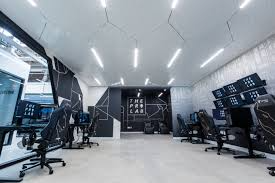
Team Liquid’s global training facilities are consequently an important part of the renewed partnership. These spaces are designed around the practical needs of professional competition, bringing players and staff together for structured preparation.
We can think of an esports training center much like a traditional sports team’s practice facility. The public sees the final competition, but the foundation is built through repeated practice. A football team needs its training ground, basketball players need a practice court and esports competitors need a controlled environment where they can develop individual skills and team systems.
That comparison also highlights why technology partnerships can have a meaningful role in esports. A professional gaming setup is not simply a consumer product sitting on a desk. It becomes part of an athlete’s training environment, particularly when players compete at extremely high levels where performance, responsiveness and consistency are closely scrutinized.
World of Warcraft Remains Part of the Story
The renewed relationship will also support Team Liquid’s involvement in World of Warcraft competitions. The game has developed a distinctive competitive ecosystem that combines individual mechanical ability with communication, planning and deep knowledge of game systems.
World of Warcraft competition can require players to process information rapidly while coordinating with teammates. Success is rarely the result of one impressive moment alone. Teams must understand opponents, adapt their approaches and execute complex decisions under pressure.
For players competing in such an environment, preparation begins long before an event. Practice sessions, strategy discussions and repeated analysis help turn individual talent into coordinated team performance. The continuation of Alienware’s support provides technology infrastructure that can be part of that process.
For fans, the connection also illustrates how esports has expanded beyond a narrow focus on a small number of competitive titles. Established games such as World of Warcraft continue to contribute to the broader professional gaming ecosystem, while organizations such as Team Liquid maintain rosters and competitive programs across multiple games.
What a 20 Year Commitment Signals for Esports
The significance of the agreement extends beyond Team Liquid and Alienware. A 20 year partnership sends a message about the growing maturity of esports as a professional industry.
When major companies commit to relationships measured in decades rather than short promotional cycles, they demonstrate confidence that competitive gaming can maintain long term cultural and commercial relevance. That confidence matters for organizations building infrastructure, developing talent and planning international operations.
It also matters for players. Professional esports careers can be demanding and uncertain, particularly for younger competitors who are trying to establish themselves. Stable organizational support can provide a stronger foundation for training and competition, allowing players to focus more heavily on performance while their teams continue developing the infrastructure around them.
The partnership can also benefit fans. High quality competitive experiences depend on more than what happens during tournament broadcasts. Behind every major event are players, coaches, analysts, managers, production teams and technical staff. Investments in the underlying ecosystem can ultimately contribute to stronger competitions and more sustainable organizations.
Technology Has Become Part of the Competitive Equation
Esports has always depended on technology, but the relationship between hardware and competition has become increasingly sophisticated. Players train through computers, communicate through digital platforms, analyze performance through software and compete through online networks. Technology is not simply a backdrop to esports. It is one of its core operating systems.
That makes the role of a company such as Alienware particularly relevant. Gaming hardware brands can connect directly with professional players because their products occupy the same environment where competitive skills are developed.
Team Liquid’s partnership history provides an example of how that relationship can mature. A sponsorship can begin with visibility around a team, but its long term value can grow when the partnership becomes integrated into facilities, training and competitive programs.
For more information about Team Liquid’s teams, competitive programs and organizational activities, readers can explore the organization’s official website. Alienware’s broader gaming technology portfolio and company information are also available through Alienware’s official Dell platform.
The Human Side Behind the Sponsorship
It is easy to look at a 20 year sponsorship through the language of contracts and commercial milestones. The human reality is more personal. Behind every major esports organization are players who spend years chasing improvement, coaches who analyze mistakes late into the evening and support staff who help competitors perform when the pressure is at its highest.
For a player, a training facility can become a familiar place filled with routines and memories. The quiet concentration before a match, the sound of keyboards during practice and the conversations that follow a difficult loss are all part of the professional experience. Long term partnerships help create continuity around those experiences.
That continuity can be particularly meaningful in esports because the industry moves quickly. Games evolve through updates, competitive formats change and new generations of players arrive constantly. A partnership that survives those changes demonstrates an ability to adapt without losing its underlying purpose.
A Milestone With Broader Industry Implications
The Team Liquid and Alienware agreement arrives at a time when esports organizations are increasingly focused on sustainable operations, global audiences and stronger competitive infrastructure. Sponsorship remains an important part of that business model, but the strongest relationships are increasingly tied to tangible support for teams and players.
The 20 year milestone shows what can happen when a technology company and an esports organization maintain a shared interest over an extended period. Instead of being defined by one campaign or one tournament season, the relationship has continued through multiple generations of players, changing competitive titles and major shifts in the gaming industry.
That history gives the renewed partnership significance beyond its headline number. It represents an investment in the everyday work that audiences rarely see but professional competition cannot function without. Training rooms, hardware, coaching sessions, preparation and repeated practice all sit behind the moments that eventually appear on a tournament broadcast.
What Comes Next for Team Liquid and Alienware
The next stage of the partnership will ultimately be measured by how effectively it supports Team Liquid’s international competitive ambitions. Continued investment in training facilities and competitive programs can help the organization maintain professional standards across its global operations while supporting players in established and emerging esports titles.
For Alienware, the relationship provides a direct connection with one of esports’ most recognizable organizations and its international community of players and fans. For Team Liquid, the extended partnership provides continuity with a technology company that has been part of its journey for two decades.
We should therefore view the 20 year extension as more than a sponsorship anniversary. It is a rare example of sustained cooperation in an industry where change is constant. Its significance lies not only in the length of the relationship, but in the infrastructure, competitive preparation and player support that the partnership is positioned to provide in the years ahead.