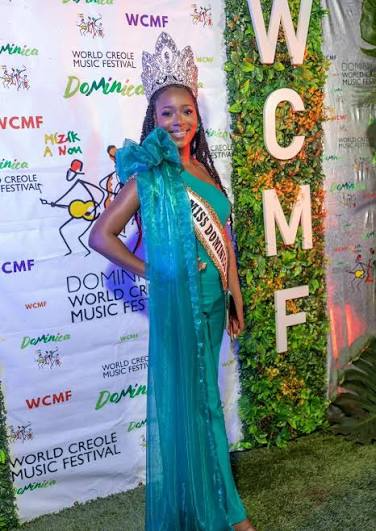
Dominica is preparing for one of the Caribbean’s most anticipated cultural celebrations after organizers announced the international lineup for the 2026 World Creole Music Festival. The three day event will bring together major names including Ne Yo, Machel Montano and Maxi Priest, alongside artists representing the rich musical traditions of Dominica and the wider Caribbean. For visitors arriving on the island, the festival promises much more than a series of concerts. It offers an opportunity to experience Creole identity through music, food, language, dance and community while giving international tourism another reason to discover the Nature Island.
A Major Musical Celebration Returns to Dominica
The World Creole Music Festival has become one of the signature events on Dominica’s cultural calendar. Its appeal comes from the way it connects local traditions with contemporary international music. The 2026 edition continues that approach by bringing globally recognized performers to an event rooted in Caribbean heritage.
The inclusion of Ne Yo gives the festival a major international pop and rhythm and blues presence. Machel Montano brings the energy and cultural influence of Trinidad and Tobago’s soca tradition, while Maxi Priest adds the distinctive sound of reggae and lovers rock. Together, the artists represent different generations and musical traditions while fitting naturally into a festival built around Caribbean cultural expression.
For us, the strength of the lineup is not simply the fame attached to individual performers. It is the opportunity to place international artists alongside Caribbean musicians and allow audiences to experience how different musical traditions influence one another.
Ne Yo Adds an International Pop and R and B Dimension
Ne Yo is expected to be one of the major attractions for international visitors. The American singer, songwriter and producer has built a global career through a combination of R and B, pop and soul influences, with songs that have reached audiences far beyond the United States.
His appearance gives the festival a familiar international name that may encourage music fans who have never visited Dominica to consider making the journey. For visitors, a headline performance can become the starting point for a much broader trip involving beaches, mountain landscapes, local cuisine and cultural attractions.
That combination matters for an island destination. A festival can bring visitors who might otherwise have chosen another Caribbean destination, while the wider tourism economy benefits when those visitors stay for several days and spend money on accommodation, restaurants, transportation, excursions and local businesses.
Machel Montano Brings Soca Energy to the Festival
Machel Montano represents another important part of the Caribbean musical story. The Trinidadian performer has spent decades helping shape the modern soca scene and has become one of the genre’s most recognizable international figures.
Soca’s emphasis on rhythm, movement and collective celebration makes it particularly suited to a large outdoor festival. When thousands of people respond to the same beat, the distinction between performer and audience can begin to disappear. The crowd becomes part of the performance.
For international visitors unfamiliar with the depth of Caribbean carnival traditions, a live soca performance can provide a powerful introduction. It also creates a connection between Dominica and neighboring Caribbean islands whose musical cultures have developed through generations of shared history, migration and cultural exchange.
Maxi Priest Connects the Festival With Reggae Heritage
Maxi Priest brings a different musical character to the lineup. His career is closely associated with reggae, lovers rock and the international expansion of Jamaican music. His presence gives the festival an opportunity to connect contemporary Caribbean audiences with a style that has influenced popular music around the world.
Reggae has long served as a bridge between Caribbean culture and global audiences. Its rhythms, melodies and themes have traveled far beyond Jamaica, influencing artists and listeners across Europe, North America, Africa and other regions.
At the World Creole Music Festival, that tradition can sit alongside Dominica’s own musical heritage and demonstrate the diversity within Caribbean culture rather than presenting the region as a single musical identity.
Why the Festival Matters to Dominica’s Tourism Economy
Major cultural events can have an economic impact that extends well beyond the concert venue. Visitors need places to stay, meals to eat, transportation between locations and activities to fill the hours before and after performances.
That creates opportunities for hotels, guesthouses, restaurants, taxi operators, tour companies, craft sellers, guides and other small businesses. A visitor who arrives for the festival may also decide to explore Dominica’s waterfalls, forests, volcanic landscapes, diving sites and coastal communities.
The island’s tourism appeal is particularly well suited to travelers who want a combination of cultural experiences and outdoor activities. The official Discover Dominica tourism platform highlights the country’s natural attractions and visitor experiences, providing useful context for travelers planning a trip around the festival.
The festival therefore has the potential to function as both a cultural celebration and an economic catalyst. Its international lineup can attract attention from audiences who may then discover that Dominica offers an experience extending well beyond the concert stage.
Creole Culture Remains at the Heart of the Event
The international stars may generate headlines, but the identity of the festival is rooted in Creole culture. Music provides the central stage, yet the broader celebration reflects traditions that have developed through Dominica’s complex history and the continuing influence of African, European, Caribbean and Indigenous heritage.
Creole culture can be heard in musical rhythms, seen in traditional dances, tasted through local cuisine and experienced through language and community gatherings. These elements help distinguish the festival from a conventional international concert series.
That distinction is important. Cultural tourism is strongest when visitors are given an opportunity to experience a place on its own terms rather than simply consuming an imported entertainment product.
Music as a Connection Between Generations
One of the most meaningful aspects of a festival such as this is the way it can bring different generations together. Older residents may recognize musical traditions that shaped their youth, while younger audiences can encounter those traditions alongside contemporary international performers.
A teenager attending for a major international artist may discover a local musician whose work reflects the island’s history. An older visitor may arrive for the cultural program and find themselves enjoying an artist they had previously heard only through recordings.
These unexpected connections are part of what gives cultural festivals their lasting value.
The International Audience Could Be Especially Important in 2026
International tourism depends heavily on visibility. Travelers have an enormous number of destinations to choose from, and cultural events can give a country a specific moment in which its identity reaches a global audience.
The 2026 lineup provides that opportunity for Dominica. Recognizable artists can generate interest among music fans, travel communities and Caribbean diaspora audiences. Visitors from other islands may also see the festival as an opportunity for a regional getaway.
The combination of international performers and local culture can make the event particularly attractive to travelers who want something more distinctive than a conventional beach holiday.
Visitors Can Experience More Than the Concerts
Travelers attending the festival should think of the event as one part of a larger Dominican experience. The island is known for its lush mountainous environment, rivers, waterfalls, marine ecosystems and opportunities for nature based tourism.
A longer stay can allow visitors to combine festival nights with daytime excursions. Exploring local communities, eating traditional dishes, visiting natural attractions and speaking with residents can provide a much deeper connection with the country.
That approach also spreads tourism spending across more parts of the local economy. Instead of concentrating visitor activity around the festival grounds, travelers can support businesses and communities throughout their stay.
Local Artists Remain Essential to the Festival’s Identity
International headliners can attract attention, but local and regional performers give the festival its cultural foundation. Their participation ensures that the event remains connected to the music traditions that inspired its creation.
For emerging Caribbean musicians, sharing a stage with internationally recognized performers can also provide valuable exposure. A festival audience can discover artists they might never encounter through mainstream international music channels.
This creates a two way exchange. Global performers bring international audiences and attention, while Caribbean artists contribute the cultural character that makes the event worth traveling to in the first place.
A Festival With Regional Cultural Significance
The World Creole Music Festival also reflects the interconnected nature of Caribbean culture. Music does not respect national borders. Rhythms, instruments, languages and performance traditions have traveled between islands for generations.
Dominica’s position within the eastern Caribbean makes the festival a natural meeting point for these influences. The presence of artists from different Caribbean traditions can help audiences recognize both the differences and the shared cultural foundations across the region.
That regional dimension can be especially meaningful for members of the Caribbean diaspora. For someone living far from the islands, hearing familiar rhythms in a festival environment can create a powerful sense of connection.
What the 2026 Festival Could Mean for Dominica
The 2026 World Creole Music Festival arrives at a moment when cultural tourism remains an important tool for destinations seeking to distinguish themselves internationally. Dominica has a strong natural identity, but major cultural events provide another way for the country to reach potential visitors.
The announced lineup gives the festival a combination of international recognition, Caribbean musical heritage and local cultural character. Ne Yo can attract global pop and R and B audiences. Machel Montano brings the force of soca and Trinidadian carnival culture. Maxi Priest connects the program with the long international history of reggae and lovers rock.
Yet the most lasting value may come from what happens between those headline performances. A festival becomes meaningful when visitors share food, residents welcome travelers, musicians exchange ideas and younger generations see their cultural traditions presented with confidence.
Music Could Become the Starting Point for a Deeper Journey
For many visitors, the first reason to travel to Dominica in 2026 may be a favorite artist. The reason to return could be the island itself.
That is the opportunity created by the World Creole Music Festival. International entertainment can open the door, but cultural identity and local hospitality give visitors a reason to remember the experience.
As Dominica prepares for the three day celebration, the festival stands as both a major Caribbean music event and a statement about the continuing importance of Creole heritage. Its international lineup places the island on a wider musical map while keeping the country’s own cultural traditions at the center of the experience.
For audiences arriving from abroad, the 2026 festival promises an opportunity to hear major international performers in an intimate island setting. For Dominica, it offers a chance to welcome the world while sharing something that cannot be reproduced anywhere else: the sound, history, landscape and living culture of the Nature Island.
Travelers looking for official information about Dominica can also consult the Government of Dominica for national information and public resources as festival planning continues.