Paris is preparing for a landmark moment in competitive gaming as the 2026 Esports World Cup reaches its final weekend, bringing an international tournament to a close in the city for the first time. Global gaming leaders, elite players, clubs, creators and international delegations have gathered around a competition that has spent seven weeks turning Paris into a major meeting point for the worldwide esports community. The closing celebrations are scheduled for August 23 at the Grand Palais, giving the tournament a fitting finale after its historic move from Riyadh to the French capital.
Paris Opens a New Chapter for the Esports World Cup
The 2026 edition represents a significant change in the history of the Esports World Cup. After its first two editions were held in Riyadh, Saudi Arabia, Paris became the first international host city for the competition. The tournament has run from July 6 through August 23, with Paris Expo Porte de Versailles serving as the main venue for a large part of the competition and fan activities.
The scale of the event has helped explain why the arrival of the tournament has attracted attention far beyond the traditional gaming audience. Organizers have brought together more than 2,000 players and 200 clubs representing more than 100 countries. The program has featured 24 games across 25 major tournaments, creating a broad competitive schedule that has included some of the biggest names and organizations in esports.
For Paris, the tournament has also been more than a series of matches. The French capital has used the occasion to connect gaming with music, entertainment, tourism and popular culture. Events have taken place around the city, including a public esports celebration on the Champs Élysées and competitions designed to bring professional players and creators closer to casual fans.
A Closing Ceremony With Global Significance
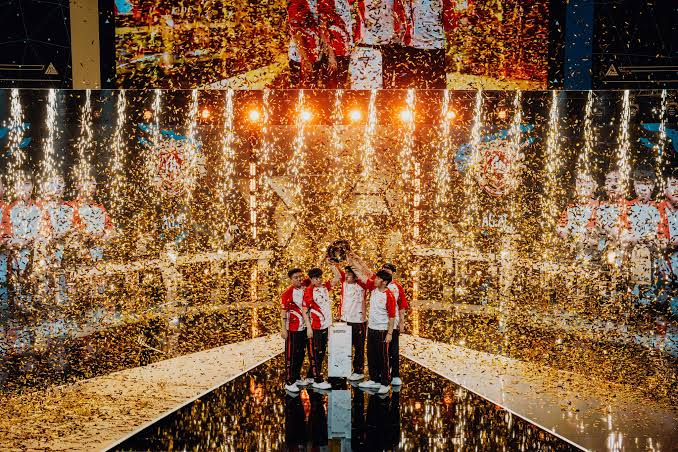
The final ceremony is expected to provide the emotional conclusion to weeks of competition. The official Esports World Cup program identifies the Trophy Award Ceremony at the Grand Palais on August 23 as the event that will bring the Paris edition to its conclusion.
That setting carries particular significance. The Grand Palais is one of Paris’s most recognizable cultural venues, and bringing a major international gaming celebration into such a historic location reflects how far competitive gaming has moved beyond specialist arenas and online communities.
We can expect the closing celebration to focus not only on the winners but also on the players, clubs, fans and communities that have shaped the tournament. For many competitors, the final ceremony represents the end of months of preparation. Behind every match are long practice sessions, coaching meetings, travel schedules and the pressure of performing in front of an international audience.
For supporters watching from home, the ceremony offers another opportunity to see the personalities behind the statistics and scoreboards. Esports can often look intensely technical from a distance, but the human side becomes much clearer when a player reacts to a victory, consoles a teammate or realizes that years of preparation have finally produced a major result.
Seven Weeks of Competition Changed the City’s Gaming Identity
Paris has already developed a strong reputation as a European center for competitive gaming, and the Esports World Cup has added another layer to that identity. France has hosted major esports competitions in recent years, while French clubs, players and content creators have become increasingly influential in international gaming.
The 2026 tournament has allowed that domestic community to interact directly with teams and players from around the world. Organizations such as Team Vitality, G2 Esports and T1 have been among the prominent names associated with the competition, giving local fans the opportunity to see international esports culture at close range.
The city has also benefited from the tournament’s festival atmosphere. At Paris Expo Porte de Versailles, fans have been able to experience competitive matches alongside gaming activities and community events. Other activities across Paris have brought esports into public spaces, helping make the tournament visible even to people who might never normally enter an esports arena.
The official Paris city website has presented the event as part of the capital’s wider summer program, reinforcing the idea that esports has become part of the city’s broader sporting and cultural calendar.
Why the Paris Edition Matters for Esports
The importance of this tournament goes beyond the final trophy. The decision to move the Esports World Cup outside Saudi Arabia for the first time signals a broader ambition for international host cities and a more geographically diverse future for the competition.
France’s selection also demonstrates the country’s growing importance to the esports industry. Paris already has established venues, a large gaming audience and a strong network of professional organizations. Hosting an event on this scale provides an opportunity to test how esports can operate as a major international sporting and entertainment attraction.
There is also a wider economic dimension. Large esports tournaments bring players, staff, media representatives, sponsors and fans into the host city. They create demand for hotels, restaurants, transportation and entertainment while giving local businesses an opportunity to connect with an international audience.
At the same time, the Paris edition has prompted discussion about the relationship between esports, international investment and government partnerships. The tournament’s connection with Saudi Arabia has attracted scrutiny in France, particularly because Saudi investment has become increasingly influential across the global gaming industry. That discussion is likely to continue even after the final matches have ended.
The Human Story Behind the Competition
Numbers can describe the size of the Esports World Cup, but they cannot fully capture what the tournament means to the people participating in it. A professional player entering a packed arena is carrying more than a club logo. For many competitors, esports represents a career built through years of practice in an industry where opportunities at the highest level are limited.
Fans experience the event differently. Some arrive wearing club jerseys, while others travel thousands of miles to watch a favorite player compete. For younger fans especially, seeing professional gaming treated with the same seriousness as other major competitions can make the career possibilities of esports feel more tangible.
That connection between players and audiences may ultimately become one of the most lasting parts of the Paris edition. The strongest esports events create communities that continue long after the lights are switched off. Players become recognizable personalities, clubs develop international followings and fans form friendships around games that they may have discovered years earlier.
Paris Looks Toward the Future of Competitive Gaming
The 2026 Esports World Cup has also offered Paris an opportunity to demonstrate what a modern international esports host city can look like. Instead of keeping competition isolated inside a single venue, the event has connected professional gaming with public entertainment, music, tourism and cultural activity.
The official Élysée website described the selection of Paris as another sign of France’s ability to host major international sporting events. That positioning matters because esports increasingly competes for the same global audiences, sponsors and venues as established sports and entertainment properties.
Whether future editions follow the same model remains to be seen, but the Paris tournament has established an important precedent. The Esports World Cup can operate as an international event that moves between major cities while maintaining a consistent global identity.
A Finale That Represents More Than a Trophy
As Paris approaches the closing ceremony, attention naturally turns toward the final champions and the clubs that will leave the tournament with the strongest results. Yet the significance of this edition reaches beyond the names engraved in record books.
The tournament has demonstrated the international scale of modern esports and the ability of competitive gaming to attract audiences across cultural and geographic boundaries. Paris has provided the setting, but the event has been shaped by players from around the world, each bringing a different language, background and gaming tradition into the same competitive environment.
On August 23, the Grand Palais will provide the final stage for that story. The lights will eventually fade, the crowds will return home and the players will begin preparing for their next competitions. What will remain is a significant chapter in the development of the Esports World Cup and a clear demonstration that Paris has become an important destination for the global esports community.
For competitive gaming, the Paris finale is therefore more than the closing moment of a tournament. It is a statement about where esports can go next, how large its international audience has become and how closely gaming is now connected with the wider worlds of sport, entertainment and culture.