New developments surrounding the Raja Ravi Varma estate and the preservation of historically significant Indian art are drawing attention to a question that extends far beyond the price of a painting: how should valuable cultural property be documented, authenticated and protected for future generations? Discussions around heritage estates, collector archives and high value artworks are gaining renewed importance as Raja Ravi Varma’s work reaches unprecedented levels in the international art market.
Raja Ravi Varma’s Legacy Enters a New Valuation Era
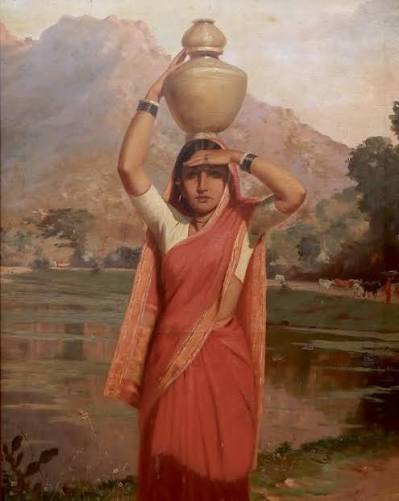
The renewed focus comes at a remarkable moment for the legacy of Raja Ravi Varma, one of India’s most influential painters. Born in Kilimanoor in 1848 and deceased in 1906, Varma helped shape modern Indian visual culture by combining European academic painting techniques with subjects drawn from Indian mythology, literature and royal life.
His paintings have long held an unusual position in the art market. They are simultaneously important historical documents, examples of nineteenth century Indian painting and highly sought after collector assets. That combination makes authentication and provenance particularly significant whenever an original work, historic estate or associated archival material changes hands.
The scale of current market interest is clear from recent auction history. Research compiled by the Tuli Research Centre records a 2026 sale of Varma’s Yashoda and Krishna, dating from the 1890s, at ₹167.2 crore, equivalent to approximately $17.98 million. The sale established a new auction high for the artist and demonstrated the extraordinary financial value that exceptional works can command. :contentReference[oaicite:0]{index=0}
Why Historic Estate Valuation Is Different From Ordinary Property Valuation
A historic estate cannot be assessed solely by measuring land, buildings and current market conditions. Its value may also depend on architectural integrity, ownership history, association with important individuals, surviving documents and the objects preserved within the property.
For estates connected with major artists or royal families, provenance can become a critical part of the valuation process. A building may contain letters, photographs, sketches, ledgers, printing equipment or paintings that provide evidence about the people who lived and worked there. Those materials can sometimes be more significant to historians than the building itself.
We should therefore view heritage property as a layered asset. Its financial value may be substantial, but its cultural value can be much harder to measure. Once an original document or historic interior is lost, no future valuation can restore the information that disappeared with it.
Collector Archives Can Change the Story of an Artist
Archival material has become an increasingly important part of research into Raja Ravi Varma and his family. Letters, diaries, photographs and other personal records can provide details that paintings alone cannot reveal.
The Raja Ravi Varma Heritage Foundation has preserved archival material associated with the artist and his family, including surviving portions of the diary of C. Rajaraja Varma. The archive has been described as an important source for documenting the life and activities of the Varma family, particularly because original historical documents have naturally become vulnerable to deterioration over time. :contentReference[oaicite:1]{index=1}
That vulnerability explains why certified records and professionally maintained archives matter. Paper can become brittle, ink can fade and photographs can deteriorate. A private collector who possesses an apparently ordinary letter may actually hold an irreplaceable piece of art history.
What Makes an Art Archive Valuable?
Several factors can determine the historical and financial importance of an archive:
- Documented provenance connecting material to the artist or original owner
- Original correspondence, diaries or signed documents
- Photographs showing artworks or historic interiors in their original context
- Exhibition records, catalogues and publication history
- Evidence connecting artworks with royal, institutional or distinguished private collections
When these elements survive together, they can provide researchers with a much stronger picture of an artwork’s history and authenticity.
Authentication Is Central to High Value Transactions
For collectors considering a major historic artwork, authentication is not a formality. It can determine whether a work is considered an original, attributed to an artist, a later copy or something requiring further investigation.
Major auction houses routinely distinguish between different levels of attribution. A catalogue may identify a work as being by the artist, attributed to the artist or produced after the artist. These distinctions can have enormous consequences for both market value and historical interpretation.
Past auction documentation for Varma’s works illustrates why provenance and classification receive such attention. Sotheby’s cataloguing practices, for example, distinguish between works considered to be by Raja Ravi Varma and works that are attributed to him, reflecting different degrees of certainty regarding authorship. :contentReference[oaicite:2]{index=2}
Collectors should consequently examine more than a signature on the canvas. A signature can be helpful, but it is only one part of a much larger investigation involving materials, technique, historical documentation, provenance and comparison with established works.
Heritage Property and Art Can Share the Same Provenance
The relationship between historic estates and art collections becomes especially interesting when paintings remain connected to the buildings and families for which they were originally created. A painting that once hung in a palace, royal residence or historic mansion may carry additional historical significance because its location forms part of its documented story.
One well known example of this wider relationship can be seen in the history of royal collections associated with the Gaekwad family. Major estates and collections have included works by Raja Ravi Varma alongside other historically significant assets. Such connections demonstrate how Indian art, architecture and royal history can intersect within a single collection.
For preservation specialists, this creates a difficult responsibility. Separating a painting from its historic setting may increase its commercial accessibility, but it can also remove part of the context that gives the object its cultural meaning.
India’s Preservation Infrastructure Is Becoming More Important
The growing attention around historic art assets also comes as Indian institutions continue conservation and archival initiatives. Kerala has maintained dedicated efforts to preserve works by Raja Ravi Varma, including conservation programs involving paintings and drawings.
Government planning documents have also proposed facilities associated with the Raja Ravi Varma Centre of Excellence for Visual Arts in Mavelikara, including galleries, archives, libraries and spaces for research and education. :contentReference[oaicite:3]{index=3}
These initiatives matter because preservation is not limited to storing an artwork safely. Serious conservation requires controlled environments, professional documentation, research access and appropriate restoration practices. It also requires a long term plan for what happens when ownership changes.
The Rising Market Value Creates New Responsibilities
The dramatic rise in prices for exceptional Raja Ravi Varma paintings has created both opportunity and risk. High prices can encourage owners to invest in professional conservation and documentation, but they can also increase the incentive for fraudulent attribution, incomplete provenance and unauthorized alterations.
For collectors, the most practical response is careful documentation. Before purchasing a high value historic artwork or estate asset, buyers should seek a clear chain of ownership, previous exhibition or publication records, professional condition reports and independent expert opinions where appropriate.
For institutions, the challenge is broader. Museums and archives must balance public access with preservation. A fragile nineteenth century document cannot simply be displayed indefinitely under ordinary conditions. Digitization can help researchers study rare material while reducing unnecessary handling of originals.
A Cultural Asset Is More Than Its Auction Price
The financial figures surrounding Raja Ravi Varma’s paintings can be striking, but they should not become the only measure of his legacy. His influence reaches into Indian popular culture, religious imagery, portraiture, printmaking and the development of a visual language that remains recognizable more than a century after his death.
The Raja Ravi Varma Press was particularly important in expanding access to his imagery. His paintings reached audiences far beyond elite collectors through reproductions, helping create a connection between fine art and ordinary households. That history makes surviving press material, prints and related documentation valuable sources for understanding how visual culture circulated across India.
Research initiatives continue to document this wider story. The Raja Ravi Varma research collections maintained by specialist institutions now provide extensive records covering artworks, exhibitions, archives and market history, giving scholars a stronger foundation for studying the artist’s legacy.
What the Latest Heritage Developments Could Mean
The latest attention surrounding certified historic estates, valuation practices and collector archives points toward a broader shift in how cultural assets are treated. A painting is increasingly being considered not simply as an object with a monetary price, but as part of a network of people, places, documents and historical events.
For prospective collectors, that approach offers a useful lesson. The strongest long term asset is often the one with the clearest history. An artwork accompanied by credible provenance, conservation records and archival evidence is easier to research, preserve and responsibly transfer to another generation.
For families holding historic estates, the same principle applies. Recording ownership histories, preserving original documents and documenting architectural features before major alterations can protect information that may otherwise disappear.
Preserving the Story Behind the Asset
Raja Ravi Varma’s legacy shows why historic preservation and art valuation cannot be separated entirely. The market can place a monetary figure on a painting, but historians and future generations need something more: evidence of where the work came from, who owned it, how it was displayed and what it meant to the people who encountered it.
That is ultimately the significance of the renewed focus on heritage estates and collector archives. Certification and valuation can establish financial credibility, while preservation establishes historical continuity. When the two work together, a valuable object can remain both a legitimate investment and an accessible part of cultural memory.
More than a century after Raja Ravi Varma’s death, the continued discovery, documentation and preservation of material connected to his life demonstrates that his story is far from complete. Every authenticated painting, surviving letter, historic building and carefully preserved archive adds another piece to that story. The challenge now is ensuring that those pieces remain trustworthy, documented and available for the generations that will study Indian art long after today’s valuations have changed.