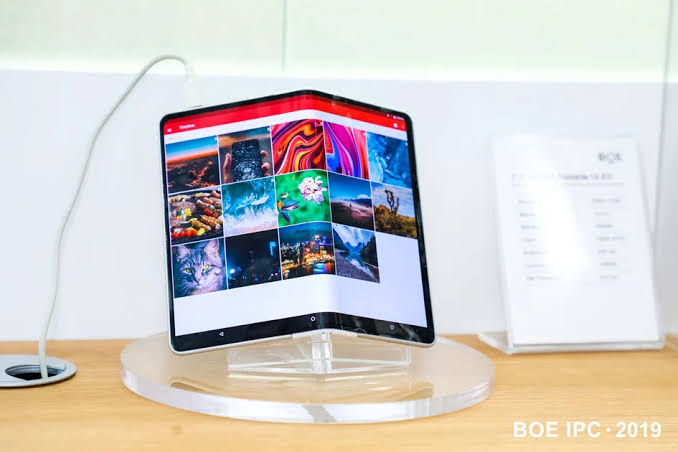
3M and BOE Technology have established a joint laboratory focused on some of the most demanding challenges in modern display engineering, including zero crease flexible OLED screens, MLED display systems and advanced optical film technology. The partnership points toward a future in which displays can become thinner, more flexible and visually sophisticated while maintaining the durability and optical performance consumers expect.
A New Research Focus for the Next Generation of Displays
The announcement brings together two companies with different areas of technical expertise. BOE is a major display manufacturer with experience across OLED, LCD and emerging display technologies, while 3M has decades of experience developing optical films, adhesives, coatings and specialized materials for electronics and industrial applications.
A joint laboratory gives researchers a dedicated environment to work on problems that cannot easily be solved by improving a single component. Flexible displays, for example, require coordination between the display panel, protective layers, optical materials, adhesives and manufacturing processes. A weakness in one layer can affect the performance of the entire product.
That makes collaboration particularly valuable. The research challenge is not simply creating a screen that bends. It is creating a display that can withstand repeated movement while preserving image quality, structural integrity and a consistent viewing experience.
Why Zero Crease OLED Displays Matter
Flexible OLED technology has already changed the design possibilities for smartphones and other electronics. Foldable devices can provide larger screens in compact bodies, but one visible challenge remains familiar to consumers: the crease that can appear where the display folds.
A crease is more than a cosmetic issue. Repeated folding places mechanical stress on the display stack and its supporting materials. Over time, that stress can affect appearance, touch performance or durability. Consumers may also judge a premium foldable device partly by how seamless the display looks when it is opened.
The pursuit of zero crease technology therefore represents an effort to improve both engineering performance and the everyday user experience. A successful flexible OLED system would ideally open into a broad, continuous viewing surface with minimal visible evidence of the folding mechanism.
The Materials Challenge Behind a Flexible Screen
A modern OLED display is not a single sheet of material. It is a carefully engineered stack of layers that work together to produce light, manage touch input, protect sensitive components and control optical performance.
When that stack bends, each layer responds differently. Some materials stretch, some compress and others resist movement. Managing those differences is essential if manufacturers want a flexible display that remains reliable after thousands of folding cycles.
This is where advanced optical films and material engineering become particularly important. The right material can influence light transmission, reflection, durability and the appearance of the display while also helping the overall structure withstand mechanical stress.
What MLED Technology Adds to the Research Agenda
The joint laboratory is also focused on MLED systems, another area attracting considerable attention from display manufacturers. MLED refers to display technologies that use microscopic light emitting diode structures and can support high brightness, strong contrast and precise control of individual lighting elements.
MLED research covers a broad range of applications, from large displays and televisions to automotive screens and other advanced visual systems. The technology can potentially deliver improvements in brightness and image quality while supporting display designs that differ from conventional LCD architectures.
However, making MLED systems commercially practical requires more than producing tiny light emitting components. Manufacturing precision, optical management, heat control, reliability and cost all matter. Advanced films and other optical materials can play a role in directing and managing light so that the final display produces a clean and consistent image.
Optical Films Are Critical to Display Quality
Consumers generally notice a display as a single image, but engineers see a complex interaction of light, materials and surfaces. Optical films help control that interaction.
They can be used to manage brightness, viewing angles, reflection and light distribution. In some applications, carefully designed films can help improve the efficiency with which light travels through a display system.
That can have practical consequences. A display that manages light efficiently may achieve a desired visual performance without requiring as much power. In mobile devices, this can contribute to battery efficiency. In vehicles and larger screens, optical efficiency can also become relevant to thermal management and overall system design.
Flexible Displays Could Move Beyond Smartphones
Foldable smartphones are perhaps the most visible example of flexible OLED technology, but they are unlikely to be the final destination. Flexible displays could eventually become important in tablets, computers, automotive interiors, wearable devices and other products where conventional rigid screens limit design options.
Imagine an interior surface that can change its visual function depending on how a vehicle is being used. A compact display could remain hidden when it is not needed and expand when passengers require entertainment or information. Similar concepts could appear in portable computers or devices designed around unusual shapes.
The biggest opportunity may come when flexible displays stop being treated as special features and become normal components of product design. At that point, manufacturers could design products around flexible surfaces from the beginning rather than adapting existing devices to accommodate a folding screen.
Automotive Displays Are Another Important Market
Vehicle interiors are becoming increasingly dependent on digital interfaces. Instrument clusters, infotainment systems, passenger displays and other screens are taking up more space inside modern cars.
This creates demand for displays that are not only visually impressive but also resistant to vibration, temperature changes and long periods of use. Flexible OLED and advanced optical technologies could provide designers with additional freedom when shaping dashboards and other interior surfaces.
A vehicle display also needs to perform under difficult lighting conditions. Bright sunlight can create reflections that reduce readability, while nighttime driving requires careful control of brightness to avoid distracting the driver. Optical films can help engineers manage these challenges.
The Consumer Benefits Could Be Visible in Everyday Devices
The importance of research partnerships is often difficult for consumers to see immediately. A laboratory may spend years solving material and manufacturing problems before a finished product reaches a store.
But when the research succeeds, the results can become surprisingly tangible. A foldable phone may open more smoothly. A display may look brighter without demanding excessive power. A vehicle dashboard may provide a clearer image in direct sunlight. A large screen may achieve better contrast while using a more sophisticated optical structure.
These improvements may appear small individually, but they can significantly influence how consumers experience a product over several years.
Why Collaboration Could Speed Up Display Innovation
Advanced displays are becoming too complex for companies to rely on isolated research. Materials, electronics, manufacturing equipment and software increasingly need to be developed together.
A joint laboratory allows researchers from different technical backgrounds to work around the same problems. Instead of designing a display first and searching for suitable optical materials later, teams can consider the entire system at the same time.
This approach can also help identify manufacturing challenges earlier. A material that performs exceptionally well in a laboratory may become difficult or expensive to produce at commercial scale. Collaboration between material specialists and display manufacturers can help narrow the gap between laboratory performance and mass production.
The Road From Research to Commercial Products
The creation of a joint laboratory does not mean consumers will immediately see zero crease displays or new MLED products in stores. Display technology typically moves through multiple stages of research, testing, engineering validation and manufacturing preparation.
Durability will be one of the most important tests for flexible OLED systems. A display that looks perfect when new must continue performing after repeated folding and exposure to normal environmental conditions.
Manufacturing costs will also determine how quickly new technologies reach mainstream products. Premium smartphones can support more expensive components than mass market electronics, while automotive applications have their own requirements for reliability and production scale.
What to Watch as the Joint Laboratory Develops
For consumers and technology companies, several developments will reveal whether this research becomes commercially significant.
- Progress toward reducing visible creases in foldable OLED displays.
- Improved durability after repeated bending and folding.
- More efficient optical films that improve brightness and viewing quality.
- MLED systems capable of meeting demanding manufacturing and cost requirements.
- New display applications in smartphones, computers, vehicles and connected environments.
The most meaningful progress will be measured not simply by laboratory demonstrations but by whether these technologies can be produced reliably at scale.
A Competition Over the Future Shape of Screens
The display industry is entering a period in which the physical shape of a screen is becoming almost as important as the pixels it contains. Consumers have already accepted displays that fold, curve and stretch across unusual product designs. The next question is how far those possibilities can be taken without compromising reliability or visual quality.
The 3M and BOE joint laboratory addresses that challenge from two complementary directions. BOE brings deep display manufacturing expertise, while 3M contributes advanced materials and optical engineering capabilities. Their combined research could help solve some of the technical barriers that have limited flexible and emerging display technologies.
We should also view this development through the broader competition among display manufacturers. Companies are searching for ways to make screens more distinctive as smartphones, televisions and vehicle interfaces become increasingly similar. A display that genuinely folds without an obvious crease, produces exceptional image quality or integrates naturally into a new product shape could provide a meaningful advantage.
The Next Display Breakthrough May Be About Materials as Much as Pixels
The story of display innovation has often focused on resolution, brightness and refresh rates. Those specifications remain important, but the next generation of products may depend just as heavily on what exists between and around the pixels.
Flexible substrates, protective layers, adhesives and optical films can determine whether a screen survives repeated movement, controls reflections and delivers consistent image quality. That makes materials research a central part of the future display industry.
The new joint laboratory between 3M and BOE reflects that reality. If researchers can combine advanced material science with sophisticated display engineering, consumers could eventually see screens that are thinner, more flexible, more durable and easier to integrate into everyday products.
The ultimate test will come when these technologies leave the laboratory and enter products people use every day. A truly successful next generation display will not simply look impressive during a demonstration. It will feel natural in the hand, remain reliable after years of use and make the technology around it more useful without making it more complicated.