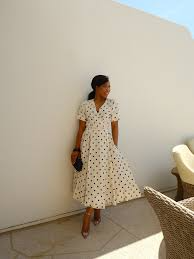
Polka dots and bold gingham are returning to the center of international fashion as designers and style communities look toward familiar patterns with a distinctly modern attitude for the coming fall season. From polished city wardrobes to relaxed weekend dressing, these vintage inspired prints are appearing in fresh colors, larger proportions, layered combinations, and unexpected silhouettes. The resurgence reflects a broader appetite for clothing that feels recognizable, expressive, and easier to incorporate into everyday life.
Why Polka Dots and Gingham Are Back Now
Fashion repeatedly revisits its own history, but the return of polka dots and gingham feels particularly accessible. Both patterns carry strong cultural associations without requiring a particular age or personal style. Polka dots can suggest playful mid century dressing, while gingham often recalls summer picnics, countryside clothing, and classic American and European wardrobes.
For fall, however, designers are moving these prints away from their traditional associations. Instead of treating them as nostalgic costumes, they are placing them on tailored coats, structured skirts, knitwear, trousers, blouses, dresses, and accessories. The result is a familiar visual language presented through contemporary proportions.
We are also seeing consumers become more interested in pieces that can remain useful beyond one short trend cycle. A patterned blouse or gingham skirt can be worn in several seasons, making vintage prints attractive at a time when shoppers are increasingly selective about what they add to their wardrobes.
Polka Dots Are Becoming More Sophisticated
The traditional black and white polka dot remains an easy starting point, but the current interpretation is much broader. Designers are experimenting with oversized circles, tiny repeated dots, irregular spacing, rich autumn shades, and contrasting backgrounds.
A polka dot dress can therefore look completely different depending on its shape and styling. A flowing dress with small dots can create a soft and romantic appearance, while a structured black garment with oversized white circles can feel graphic and architectural.
The pattern is also appearing in separates. A polka dot shirt paired with tailored trousers can create a polished office look, while a patterned skirt combined with a simple knit can make the print the focal point without overwhelming the outfit.
Easy ways to wear polka dots this fall
- Pair a patterned blouse with solid tailored trousers for a refined everyday outfit.
- Use a polka dot scarf or handbag when a full patterned garment feels too bold.
- Combine small dots with neutral knitwear for a quieter interpretation.
- Choose larger dots when the goal is a stronger graphic statement.
Gingham Moves Beyond Its Picnic Reputation
Gingham has traditionally been associated with warm weather, but designers are proving that the pattern can work beautifully in autumn wardrobes. The key difference is fabric, color, and construction.
Instead of lightweight summer cotton, fall gingham can appear on wool blends, heavier shirting, structured skirts, jackets, and layered dresses. Deep brown, burgundy, forest green, navy, cream, and muted red can make the familiar checked pattern feel considerably more seasonal.
Scale also changes the effect. Small gingham checks can look subtle and classic, while oversized checks create a more dramatic visual statement. When the fabric has structure, the pattern can feel tailored rather than casual.
Global Fashion Capitals Are Giving the Prints Different Personalities
The resurgence of vintage prints is not limited to one particular fashion market. Different cities are interpreting the trend through their own styling traditions.
Parisian dressing often favors controlled combinations, allowing a patterned piece to sit alongside understated tailoring. Milan can push the look toward stronger silhouettes, richer colors, and deliberate accessories. London has a long relationship with checks and traditional prints, making gingham particularly easy to reinterpret through layered dressing. New York styling often mixes vintage references with contemporary streetwear and practical wardrobe staples.
These differences matter because they show that the trend does not require everyone to dress identically. A single pattern can adapt to very different wardrobes depending on proportion, color, texture, and styling.
Vintage Does Not Mean Old Fashioned
The strongest reason these prints continue to return is their ability to carry historical meaning without being locked into a specific decade. Polka dots have appeared across fashion for generations, while gingham has moved between workwear, casual clothing, childrenswear, and high fashion.
That history gives both patterns instant recognition. A shopper does not need to learn a new visual language to understand them.
The contemporary approach is about changing the surrounding context. A classic print can feel new when placed on an oversized blazer, sculptural dress, wide leg trousers, modern knit, or minimalist accessory.
Texture Will Make the Biggest Difference in Fall
Autumn fashion naturally introduces heavier materials, and texture can determine whether a vintage print feels seasonal. Gingham printed on thick fabric has a completely different character from lightweight summer cotton. The same is true for polka dots printed on velvet, wool, knitwear, satin, or textured fabric.
Layering also provides an opportunity to make these patterns feel more sophisticated. A printed blouse beneath a tailored jacket can introduce visual interest without dominating the outfit. A patterned dress can be worn beneath a long coat, while a gingham skirt can work with boots and a simple sweater.
Color Is Changing the Traditional Formula
Classic black and white polka dots and red gingham will always have a place in fashion, but fall trends are moving toward more complex color combinations.
Earth tones can make gingham feel grounded and autumnal. Burgundy and deep red can provide warmth, while navy and cream create a more restrained combination. For polka dots, chocolate brown, muted blue, olive, and dark red can offer alternatives to conventional monochrome styling.
This wider color range also makes the trend easier to personalize. Someone who dislikes bright prints can choose a subtle neutral version, while someone looking for a statement piece can select high contrast checks or oversized dots.
The Return of Prints Fits a Broader Desire for Personality
There is an emotional element to the return of familiar prints. Clothing can carry memories, and patterns often do so more strongly than people realize. A gingham shirt may remind someone of childhood summers. A polka dot dress may recall a favorite photograph, a family member, or a film from another era.
Fashion can use those associations without becoming purely nostalgic. The modern wearer can take a familiar pattern and make it part of a completely new personal story.
That quality may help explain why vintage inspired fashion remains resilient. People are not necessarily looking for exact replicas of past decades. They are selecting recognizable details and placing them into their own lives.
How to Build a Fall Wardrobe Around These Prints
For shoppers who want to participate without completely changing their wardrobe, one patterned piece is enough to establish the look. A gingham overshirt, polka dot blouse, patterned skirt, or printed accessory can provide the foundation for several outfits.
The easiest approach is to keep the rest of the outfit relatively simple. Neutral trousers, denim, plain knitwear, leather shoes, and understated outerwear can allow the print to remain visible without creating visual competition.
More confident dressers can experiment with pattern mixing. Polka dots and gingham can coexist when their scales and colors are carefully controlled. The goal is not to make every element equally noticeable. One pattern should usually provide the dominant visual focus.
What This Trend Means for More Conscious Shopping
Vintage inspired prints also have an advantage from a wardrobe longevity perspective. A distinctive pattern can remain recognizable without being tied to a single year’s fashion vocabulary.
That does not automatically make every printed garment sustainable. Fabric quality, manufacturing practices, durability, and how frequently the garment is worn remain important considerations. However, choosing versatile pieces that can be styled in several ways can reduce the pressure to constantly replace an entire wardrobe.
Consumers interested in making more informed clothing decisions can explore the United Nations Environment Programme resources on sustainable consumption for broader information about the environmental considerations surrounding consumer goods.
Accessories Are Offering an Easy Entry Point
Not everyone wants a large checked coat or an entire polka dot dress. Accessories offer a quieter way to participate in the trend.
A gingham handbag, printed scarf, hair accessory, belt, or pair of shoes can introduce the pattern while allowing the rest of the wardrobe to remain neutral. This approach can also be more practical for people who prefer understated clothing.
Accessories have another advantage. They can be changed easily as personal tastes evolve, making them a lower commitment than investing in a large statement garment.
The Trend Is Likely to Last Beyond One Season
While individual fashion trends can disappear quickly, polka dots and gingham have already demonstrated unusual staying power. Their repeated appearances across decades suggest that they function less like temporary trends and more like recurring fashion languages.
The current resurgence is therefore best understood as another chapter in a much longer relationship between fashion and familiar prints. Designers are borrowing recognizable patterns while changing the proportions, fabrics, colors, and silhouettes around them.
For consumers, that creates freedom rather than a strict dress code. There is no single correct way to wear either print. A person can choose a subtle accessory, a tailored piece, a romantic dress, or a dramatic oversized pattern depending on their own wardrobe and comfort level.
Why the Fall Print Revival Matters
The return of polka dots and gingham tells us something useful about the direction of fashion. After years of rapidly changing aesthetics, recognizable patterns offer a sense of familiarity while still leaving room for experimentation.
We are seeing designers revisit visual ideas that generations of consumers already understand, then place them in modern silhouettes and richer seasonal materials. That balance between memory and novelty is one reason the trend has gained attention across major fashion markets.
As fall approaches, the most wearable interpretation may not be the loudest one. A well chosen gingham jacket, a softly patterned blouse, or a classic polka dot dress can provide personality without demanding an entirely new wardrobe.
The global resurgence of these prints ultimately reinforces a simple idea about personal style. Fashion does not always need a completely unfamiliar idea to feel fresh. Sometimes a pattern we have seen countless times can become exciting again when we change the way we wear it.