Hong Kong became a meeting point for the global creative technology industry as the Digital Entertainment Leadership Forum 2026 concluded after bringing together more than 4,000 experts, creators, technology companies and industry professionals. The event placed artificial intelligence, immersive technology and other frontier tools at the center of discussions about the future of film, television, gaming, digital media and creative production, offering a glimpse at how quickly technology is changing the way stories are imagined and brought to audiences.
AI Takes Center Stage at Hong Kong’s Digital Entertainment Forum
The scale of the gathering reflected how closely technology and creative work have become connected. What once might have been discussed separately by software engineers and filmmakers is now being examined in the same room. Artificial intelligence can assist with visual development, editing, animation, sound design, localization and audience analysis, while emerging technologies are opening new ways for people to interact with stories.
For us, one of the most significant themes emerging from the forum was not simply that AI can produce images, video or sound. The larger question is how creators will use these systems without losing the human decisions that give creative work its character.
A film can contain technically impressive visual effects and still feel empty if the story lacks emotional purpose. A computer generated character can look remarkably realistic while failing to communicate the small gestures that make an audience care. The industry’s challenge is therefore moving from proving what technology can generate toward deciding where technology genuinely improves the creative process.
More Than 4,000 Participants Reflect the Scale of the Industry Shift
The participation of more than 4,000 global experts gave the event significance beyond a conventional technology conference. Filmmakers, media professionals, developers, artists and business leaders increasingly share the same concern: creative production is becoming faster, more automated and more interconnected.
Hong Kong is particularly well positioned to host conversations of this kind because it sits at an intersection of international finance, technology, entertainment and Asian media markets. Its proximity to major creative industries across the region also gives companies and creators opportunities to explore partnerships that extend beyond a single market.
The forum’s international character matters because AI driven entertainment is not developing in one country or one industry. Different regions are experimenting with virtual production, digital characters, generative video, interactive storytelling and immersive experiences at the same time.
Generative AI Is Changing the Production Pipeline
One of the clearest areas of change is generative artificial intelligence. Creative teams can now use AI systems to produce early concepts, generate reference imagery, experiment with scripts and visualize scenes before committing significant production resources.
That does not necessarily mean fewer people will be involved. In many cases, it changes what those people spend their time doing.
A director who once needed hours to explain a visual idea can use generated concept material to communicate the atmosphere of a scene. An animation team can explore multiple character designs quickly. Editors can use automated tools to organize large quantities of footage or identify potentially useful sequences.
The result can be a faster creative feedback loop. Ideas that previously required substantial time and money to test can now be explored earlier in the process.
Speed Does Not Replace Creative Judgment
The ability to generate hundreds of options is not the same as knowing which option deserves to survive. That distinction is becoming increasingly important as AI tools become more capable.
Creative professionals still need to make decisions about tone, cultural context, pacing, visual identity and emotional meaning. An AI system can suggest possibilities, but the responsibility for choosing the right one remains with the creative team.
This may ultimately make human taste and editorial judgment more valuable rather than less valuable. When production becomes easier, deciding what should actually be produced becomes the harder problem.
Film Production Is Moving Toward Virtual and AI Assisted Workflows
The film industry has already spent years adopting digital production methods, but artificial intelligence is adding another layer. Virtual environments can allow filmmakers to preview locations, lighting and camera movements before physical production begins.
AI can complement these workflows by helping teams create visual references, simulate environments and experiment with different creative approaches. A production team can potentially test a sequence digitally before deciding how much physical construction or location shooting is necessary.
For smaller studios, this could be particularly important. High production costs have traditionally limited the ability of independent creators to compete visually with larger companies. More accessible digital tools could reduce some of those barriers.
However, the technology does not eliminate the underlying economics of filmmaking. Professional actors, cinematographers, editors, sound specialists and production crews remain essential for many types of projects. AI may reduce certain costs, but it does not make quality entertainment free to produce.
Creative Workers Face Both Opportunities and Difficult Questions
The enthusiasm surrounding AI is accompanied by genuine anxiety among creative professionals. Writers, illustrators, musicians, actors and other artists are asking how their work will be used to train AI systems and how they will be compensated when automated tools reproduce aspects of existing creative styles.
These concerns are not simply theoretical. Copyright, consent, attribution and compensation are becoming central issues as generative systems become more capable.
The entertainment industry therefore needs rules that provide room for innovation while respecting the people whose work created the cultural material on which creative technology depends.
A healthy creative ecosystem cannot be built solely around what machines can generate. It also has to protect the human contribution that gives entertainment its diversity and cultural meaning.
AI Could Help Regional Stories Reach Global Audiences
One of the more encouraging possibilities is the use of AI to reduce language and distribution barriers. Automated translation, dubbing and subtitling can make films, television programs and online content accessible to audiences who previously could not easily follow them.
For Asian creators, this could open new international markets. A production made in Hong Kong, Seoul, Mumbai or another regional creative center could potentially reach audiences across continents with less expensive localization.
But localization requires more than translating individual words. Humor, cultural references, accents and emotional context can change significantly between languages. Human review remains important when the goal is to preserve the original meaning rather than simply produce technically correct subtitles.
Gaming and Interactive Entertainment Are Also Being Reshaped
The impact of AI extends well beyond traditional film and television. Video games and interactive entertainment are among the industries where AI can directly influence how audiences experience digital worlds.
Game developers can use AI for character behavior, dialogue generation, environment creation and testing. Future interactive experiences could respond more dynamically to individual players, creating storylines that change according to decisions made during gameplay.
This creates a different relationship between creator and audience. A traditional film presents a largely fixed sequence of events. An AI assisted interactive experience can potentially generate different experiences for different people.
That flexibility also creates new challenges. Developers must ensure that generated content remains consistent with the game’s creative direction, appropriate for its audience and resistant to harmful or unpredictable outputs.
Immersive Technology Adds Another Dimension
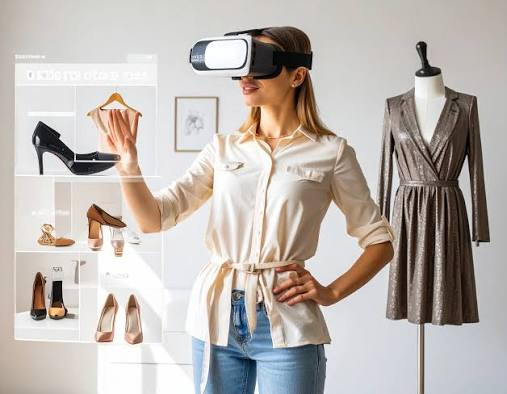
The forum also highlighted the wider category of frontier technologies that are influencing digital entertainment. Extended reality, virtual reality and augmented reality are allowing audiences to move from watching content toward interacting with digital environments.
When combined with AI, immersive technologies could create experiences in which virtual characters respond to users in real time. Museums could develop interactive historical environments. Educational institutions could simulate complex situations. Entertainment companies could create digital worlds that respond to individual participants.
The boundary between film, gaming and interactive media could become increasingly difficult to define. A story might begin as a cinematic experience, continue through an interactive game and expand into a virtual environment where audiences can explore elements that were only briefly shown on screen.
Hong Kong Wants to Strengthen Its Position as a Creative Technology Hub
Hosting a large international digital entertainment gathering supports Hong Kong’s ambition to strengthen its technology and creative industries. The city’s established business infrastructure and connection to regional markets provide a foundation for companies working across media, finance and technology.
Events that bring creators and technology companies together can also generate practical partnerships. A filmmaker may discover a new production technology. A software developer may find a media company willing to test an experimental tool. An investor may identify a creative technology startup with international potential.
Those relationships can be difficult to create through online meetings alone. The atmosphere of a major industry gathering matters because conversations can move quickly from demonstrations to collaboration when people are physically sharing the same space.
What the AI Creative Economy Needs Next
The next stage of development will require more than increasingly powerful models. Creative industries need clear standards for copyright, transparency, consent, data protection and the use of synthetic media.
Audiences also need ways to identify when content has been substantially generated or altered by artificial intelligence. Trust becomes particularly important when synthetic video and audio can convincingly imitate real people.
For companies adopting AI, several practical priorities should remain at the center of the process:
- Maintain meaningful human review for important creative and editorial decisions.
- Establish clear policies governing copyrighted training material and creator consent.
- Protect confidential production information and unreleased creative assets.
- Test generated material for factual, cultural and safety problems before publication.
- Give creative professionals training so they can use AI as part of their existing expertise.
These measures can help companies capture the productivity benefits of AI without treating creative work as a purely automated process.
The Human Element Will Remain Central
The most striking lesson from the Digital Entertainment Leadership Forum 2026 is that the future of creative technology is unlikely to be a simple contest between humans and machines. The more realistic picture is a production environment where both work together, with machines handling certain repetitive or computational tasks while people remain responsible for meaning, taste and emotional direction.
A generated image can establish the look of a fictional world, but a human still has to decide why that world matters. An AI system can suggest dialogue, but an actor still has to communicate the emotion behind the words. Software can assemble thousands of possibilities, but an editor still needs to understand which moment will stay with an audience after the screen goes dark.
That human judgment may become the defining advantage of successful creative teams.
Hong Kong Forum Points Toward a Rapidly Changing Media Future
The conclusion of the 2026 forum leaves the entertainment industry with both excitement and responsibility. More than 4,000 experts gathered around technologies that are already changing how stories are produced, distributed and experienced.
Artificial intelligence is making experimentation faster, lowering some production barriers and creating new possibilities for film, gaming, media and immersive entertainment. At the same time, it is forcing creators, companies and policymakers to confront difficult questions about ownership, employment, authenticity and trust.
We should not measure the future of AI in entertainment solely by how realistic its generated images look or how quickly it can produce a video. The deeper measure will be whether these tools help people tell better stories, allow more creators to participate and give audiences richer experiences without sacrificing the human qualities that make those stories meaningful.
Hong Kong’s forum offered a clear glimpse of that future. The technology is advancing quickly, but the most important decisions will still belong to the people holding the camera, writing the story, designing the world and deciding what is worth sharing.