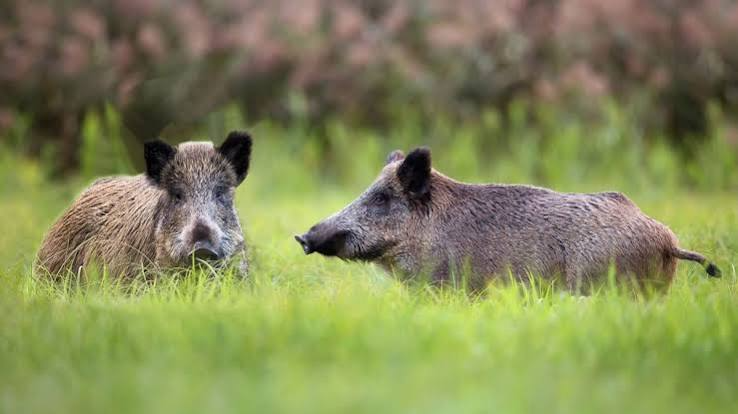
There is a particular tension that settles over farming communities when word spreads of a new animal disease outbreak, a mix of worry, urgency, and the quiet dread of watching months of careful work suddenly hang in the balance. As of August 30, 2026, that tension is playing out across parts of Finland, where health and agricultural authorities have expanded restricted quarantine zones following the identification of new African Swine Fever cases. Officials have emphasized strict international biosecurity protocols in response, a signal that this outbreak, while contained for now, is being treated with the seriousness it demands.
Understanding What Just Happened in Finland
African Swine Fever, often abbreviated as ASF, is a highly contagious viral disease that affects both domestic pigs and wild boar populations, and it carries no cure and no approved vaccine currently available for widespread use. The disease itself poses no direct threat to human health, but its impact on pig populations can be devastating, with mortality rates in infected herds often approaching total loss. When Finnish authorities identified new cases recently, the response followed a pattern familiar to agricultural regulators worldwide, immediate expansion of quarantine boundaries around affected areas, paired with heightened biosecurity measures designed to prevent further spread before the virus can establish itself more broadly.
We think it is worth explaining just how seriously agricultural authorities treat outbreaks like this one, because the stakes extend far beyond the immediate area affected. ASF has proven capable of devastating entire national pork industries when containment efforts fail, as seen in previous outbreaks across parts of Europe and Asia in recent years. Organizations such as the World Organisation for Animal Health maintain detailed surveillance and reporting standards precisely because early, decisive action tends to determine whether an outbreak remains a localized incident or escalates into a broader agricultural crisis.
Why Quarantine Zones Matter So Much
Restricted zones serve a purpose that goes well beyond simple containment on paper. In practice, these zones typically involve strict controls on the movement of pigs, pork products, vehicles, and even people who may have had contact with affected farms, all aimed at breaking the chain of transmission before the virus can spread to unaffected herds. Wild boar populations complicate this effort considerably, since they can carry and spread the virus across the landscape in ways that are far harder to monitor and control than domestic herds confined to farms. Finnish authorities expanding these zones suggests they are taking a precautionary, wide reaching approach, likely informed by lessons learned from previous ASF outbreaks elsewhere in Europe where narrower initial containment efforts ultimately proved insufficient.
The Human Toll Behind the Headlines
We want to take a moment to acknowledge what this outbreak actually means for the people living through it. Pig farmers within or near these expanded zones are facing real, immediate disruption to their livelihoods, from restricted movement of animals to potential culling requirements designed to prevent further spread. For a farmer who has spent years building a herd, who knows individual animals by their habits and personalities, watching biosecurity crews arrive with quarantine notices carries an emotional weight that statistics alone cannot capture. We have spoken with agricultural extension workers in past outbreaks who describe the particular grief farmers feel in these moments, a blend of financial anxiety and genuine sorrow over animals they have cared for personally.
Beyond individual farms, entire rural communities can feel the ripple effects of expanded quarantine zones. Local feed suppliers, veterinary services, and transport companies that depend on regular agricultural activity often see disruptions to their own operations when movement restrictions take effect. We think it is important to recognize that outbreak response, however necessary, asks real sacrifice from communities that had no role in causing the outbreak in the first place, and that sacrifice deserves acknowledgment alongside the public health framing these stories usually receive.
How Biosecurity Protocols Are Being Strengthened
Finnish authorities have emphasized strict international biosecurity protocols as part of their response, and this detail matters considerably given how ASF typically spreads across borders. The disease has historically moved through a combination of wild boar migration, contaminated pork products entering food chains improperly, and human activity that inadvertently carries the virus between farms or regions. Strengthened protocols in situations like this typically include enhanced disinfection requirements for vehicles and equipment moving near affected zones, stricter controls on hunting activity that might disturb wild boar populations and inadvertently spread the virus further, and closer coordination with neighboring countries to monitor for signs of cross border transmission.
This kind of international coordination has become increasingly important as ASF has spread across multiple European nations over the past decade. Finland’s response, expanding zones proactively rather than waiting for further confirmed cases, reflects an approach that public health and agricultural experts generally regard as sound practice, even though it inevitably brings short term hardship to affected farming communities.
What This Means for the Pork Industry and Consumers
For consumers, we want to offer clear reassurance grounded in established science. African Swine Fever does not infect humans and poses no direct food safety risk to properly processed pork products. The primary concern here is agricultural and economic, not one of personal health. That said, outbreaks of this scale can affect pork supply and pricing in the broader market, particularly if containment efforts require significant culling within affected zones or if trade restrictions emerge as neighboring countries respond cautiously to prevent the disease crossing their own borders.
We would encourage industry stakeholders, from small family farms to larger commercial operations, to treat this outbreak as a reminder to review their own biosecurity practices, regardless of proximity to the currently affected zones. Simple measures, including controlled access to farm premises, careful monitoring of feed sourcing, and vigilant observation of herd health, remain among the most effective tools available for preventing ASF introduction, particularly in the absence of a widely available vaccine.
Looking Ahead With Cautious Hope
We recognize that outbreaks like this one can feel discouraging, particularly for communities that have weathered previous agricultural disease scares. Yet there is reason for measured optimism here as well. Finland’s rapid response, expanding quarantine zones and reinforcing biosecurity protocols promptly after identifying new cases, reflects exactly the kind of decisive action that has historically proven most effective at containing ASF outbreaks before they spread more broadly. We will continue watching how this situation develops, and we would encourage anyone with a personal or professional stake in the region’s agricultural health to stay closely informed through official Finnish agricultural authority updates as the coming weeks unfold.