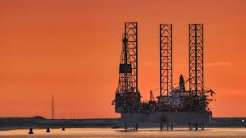
Crude oil prices climbed above $108 a barrel on September 14 as attacks on Saudi Arabia’s critical energy infrastructure added another layer of risk to an already strained global oil market. Brent crude reached a session high of about $108.65, while United States West Texas Intermediate crude moved above $102. The latest shock has renewed fears that prolonged disruption across Middle Eastern oil routes could push fuel costs higher, intensify inflation and complicate decisions facing central banks around the world.
Saudi Pipeline Attack Sends a Fresh Shock Through Oil Markets
The immediate trigger was damage to Saudi Arabia’s East West crude pipeline following drone attacks on energy infrastructure. The roughly 1,200 kilometer pipeline is one of the country’s most important alternatives for moving crude toward the Red Sea without relying entirely on the Strait of Hormuz.
Saudi Arabia subsequently shut the affected pipeline while authorities assessed the damage and worked on repairs. The system can transport roughly 4 million barrels of crude per day, a volume equivalent to around 4 percent of global oil supply. That figure explains why traders reacted so quickly. Even if the actual loss of production remains limited, the possibility of a prolonged interruption can materially change expectations about available supply.
Satellite imagery has shown significant damage at a pumping station along the route, reinforcing concerns that repairs may not be immediate. Industry sources cited by major news organizations have offered different estimates for the repair period, ranging from a matter of weeks to a shorter period if partial operations can resume.
The situation is particularly sensitive because global energy markets were already dealing with major disruptions involving shipping routes in the Middle East. The additional pressure on a pipeline designed to provide an alternative export route has made traders increasingly concerned about how much spare logistical capacity remains.
Why the East West Pipeline Matters Beyond Saudi Arabia
Saudi Arabia is one of the world’s largest oil producers and exporters, meaning disruptions to its transportation network can quickly affect international buyers. The East West pipeline connects production areas near the Gulf with the Red Sea port of Yanbu, giving Saudi exporters a route that can reduce dependence on maritime traffic through the Strait of Hormuz.
That alternative has become especially valuable because shipping conditions around the region have deteriorated. Any threat to multiple routes at the same time creates a much larger problem than the shutdown of a single pipeline or port.
For consumers, the concern is not simply whether millions of barrels disappear from the market overnight. Oil is traded globally, and transportation costs, insurance premiums, tanker availability and expectations about future supply all influence the price paid by refiners. A barrel may still exist physically, but getting that barrel to the refinery that needs it can become considerably more expensive.
The International Energy Agency’s oil market resources provide broader context on global supply, demand, inventories and the factors that influence petroleum markets.
Oil Prices Move Higher as Traders Price in More Risk
Brent crude, the leading international oil benchmark, rose sharply during Monday trading. At one point, prices reached approximately $108.65 a barrel, extending a rally that has already pushed crude back above the psychologically important $100 level.
West Texas Intermediate, the main United States benchmark, also advanced beyond $102 a barrel. The move reflects more than a simple reaction to one damaged facility. Traders are increasingly pricing the possibility that several disruptions could overlap, leaving fewer reliable routes for moving crude and refined petroleum products.
Markets often respond to the possibility of future shortages before an actual shortage appears at filling stations. This is because refiners, airlines, shipping companies and commodity traders must make decisions based on expected prices rather than today’s supply alone.
That dynamic can create a rapid feedback effect. Higher crude prices increase costs for refiners. Higher refining and transportation expenses can then raise wholesale fuel prices. Businesses facing higher energy bills may eventually pass part of those costs to customers, creating broader inflationary pressure.
Inflation Fears Return to Financial Markets
The renewed oil surge arrives at an uncomfortable moment for policymakers. Central banks have spent considerable time trying to bring inflation under control without causing unnecessary damage to employment and economic growth. A sudden increase in energy prices makes that task more difficult.
Oil is deeply connected to the wider economy. It is used directly in gasoline, diesel, aviation fuel and heating products, but its influence goes much further. Trucks need fuel to move goods. Airlines need jet fuel. Factories consume energy. Agriculture depends on fuel for machinery and transportation. Plastics, chemicals and numerous industrial products also rely on petroleum based inputs.
When energy becomes substantially more expensive, households can feel the impact through transportation and utility expenses. Companies may face higher operating costs and eventually increase prices. The result can be a second wave of inflation that reaches sectors far removed from the original supply disruption.
Financial markets are therefore watching crude prices alongside government bond yields, currency movements and expectations for interest rates. Investors are particularly sensitive to whether higher energy costs represent a short lived geopolitical shock or the beginning of a prolonged supply problem.
Middle East Shipping Risks Add to the Pressure
The pipeline attack is occurring alongside serious concerns over maritime transportation in the Middle East. The Strait of Hormuz remains one of the world’s most strategically important energy corridors, while the Bab el Mandeb Strait connects the Red Sea with the Gulf of Aden and is crucial to international shipping.
When shipping routes become dangerous, vessels may be forced to take longer journeys around Africa. That increases fuel consumption, voyage times, insurance expenses and tanker costs. Even when crude production remains unchanged, the cost of delivering oil to international markets can rise significantly.
The combination of pipeline damage and shipping disruption is what makes the current situation particularly worrying for traders. Each problem reduces flexibility in the system. If one route becomes unavailable, exporters can normally redirect cargoes. If several routes are threatened simultaneously, those alternatives become much harder to use.
What Higher Oil Prices Could Mean for American Consumers
United States consumers may eventually see the effects through gasoline and diesel prices, although the timing and size of the increase will depend on refinery costs, inventories, regional supply conditions and developments in international crude markets.
Diesel is especially important because it powers much of the commercial transportation network. Higher diesel prices can raise the cost of moving food, construction materials, manufactured products and other goods across the country.
Gasoline prices can also respond to crude oil movements, but retail prices do not necessarily rise at the same speed as futures markets. Refiners, distributors and retailers operate with different inventories and margins, so the effect can take time to reach consumers.
The United States Energy Information Administration’s petroleum data provides detailed information on crude production, refinery activity, inventories and fuel prices that can help consumers and businesses track these changes.
Asian Refiners Face a Difficult Supply Environment
Asian buyers are particularly exposed to developments in Middle Eastern energy markets because many refineries in the region traditionally depend heavily on crude from Gulf producers. A prolonged Saudi pipeline outage could encourage refiners to search for additional cargoes from producers in other regions.
That could increase competition for crude from West Africa, Latin America and other exporting regions. Longer shipping distances would add another layer of expense and could tighten availability for buyers that do not normally depend on Gulf supplies.
Refiners also have to consider whether they can maintain normal operating rates if crude deliveries become less predictable. A sustained disruption could therefore affect not only the price of crude but also the availability and price of refined products such as diesel and jet fuel.
The Biggest Question Is How Long the Disruption Lasts
For oil markets, duration may matter more than the initial attack itself. If Saudi Arabia can restore the pipeline quickly and shipping conditions improve, the current price spike could lose momentum. Traders would have evidence that physical supply can recover and that alternative routes remain available.
A prolonged outage would create a very different situation. If the pipeline remains substantially offline for several weeks while other Middle Eastern shipping routes remain under pressure, Saudi Arabia could face tighter export logistics and international buyers could compete more aggressively for alternative supplies.
That is why traders are watching repair progress, Saudi export schedules, tanker movements, regional security developments and government statements closely. Every new development can change expectations about the balance between global oil supply and demand.
What Consumers and Businesses Should Watch Next
The coming days will provide important signals about whether the latest oil shock becomes a temporary market reaction or a broader energy crisis. Several indicators deserve particular attention:
- Progress toward restoring Saudi Arabia’s damaged pipeline capacity
- Changes in Brent and West Texas Intermediate crude prices
- Global tanker rates and insurance costs for Middle Eastern routes
- United States gasoline and diesel prices
- Government and central bank responses to renewed inflation pressure
- Any further attacks against oil facilities, pipelines or shipping infrastructure
Businesses that depend heavily on fuel may need to reassess transportation budgets if elevated crude prices persist. Households should also be aware that energy shocks can affect more than the price displayed at a gasoline station. Transportation, food distribution and other everyday expenses can gradually reflect higher energy costs.
A Fragile Energy Market Faces Another Test
The jump above $108 a barrel is a reminder of how quickly geopolitical events can move through the global economy. The physical damage from a drone attack may be concentrated at a single location, but the economic consequences can spread across continents through oil markets, shipping networks, manufacturing costs and inflation expectations.
We should also be careful about treating one day’s price movement as a prediction of what comes next. Oil markets can reverse rapidly when supply concerns ease, diplomatic channels reopen or damaged infrastructure returns to service. The opposite is also true. Further attacks or prolonged disruption could push prices substantially higher.
For now, the central issue is whether the global energy system has enough flexibility to absorb another major disruption. With Saudi Arabia’s East West pipeline temporarily unavailable and key Middle Eastern shipping routes facing elevated risks, that flexibility is being tested at a particularly sensitive moment for the world economy.
Crude oil crossing $108 a barrel is therefore more than a headline number. It is a signal that geopolitical instability is once again becoming a direct economic concern for households, businesses, investors and policymakers far beyond the Middle East.