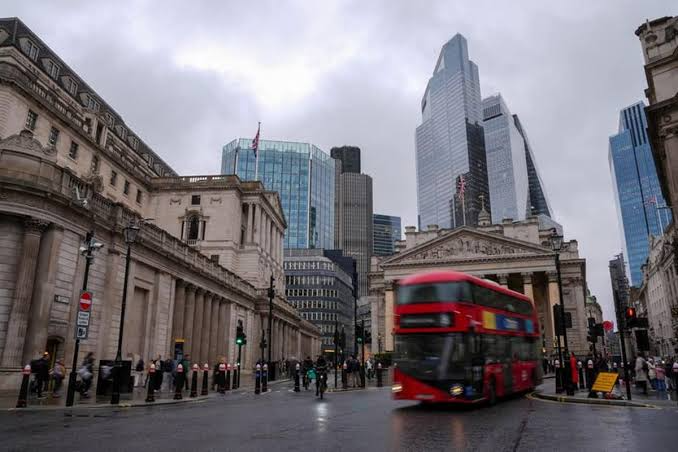
Commercial real estate markets are facing renewed pressure as rising energy costs and stubborn inflation make investors less confident that central banks will deliver the interest rate cuts they had expected. Across major property markets, higher financing costs are colliding with weaker valuations, cautious buyers and uncertain economic growth. For landlords, developers and investors, the latest shift is forcing difficult decisions about property prices, debt, rents and future investment.
Higher Energy Costs Are Changing the Property Outlook
Energy prices have become an increasingly important part of the commercial property equation. Office towers, shopping centers, warehouses, hotels and industrial facilities all depend on electricity, heating, cooling and transportation. When energy becomes more expensive, operating costs rise and property owners have fewer ways to protect profit margins.
At the same time, businesses occupying these properties are dealing with their own higher costs. Retailers may face larger utility bills and transportation expenses. Manufacturers must manage more expensive production. Office tenants are becoming more careful about how much space they need. These pressures can make companies less willing to accept higher rents, particularly when economic growth is already uncertain.
We are therefore seeing a difficult combination for property investors. The cost of owning and financing a building can rise while the ability of tenants to absorb higher costs becomes weaker. That imbalance can reduce the amount buyers are willing to pay for commercial property.
Interest Rate Expectations Are Losing Their Earlier Support
Commercial real estate depends heavily on borrowing. Developers use loans to construct buildings, investors finance acquisitions and property owners refinance existing debt. When interest rates are high, the cost of that capital directly affects property returns.
Earlier expectations for monetary easing had offered some relief. Investors were looking toward lower borrowing costs and the possibility of stronger property valuations as central banks moved away from restrictive monetary policy.
Those expectations are now facing renewed pressure from inflation. If energy prices continue pushing consumer and business costs higher, central banks may have less room to reduce interest rates quickly. Even when policymakers want to support economic activity, persistent inflation can make aggressive rate cuts difficult.
For property investors, that uncertainty is especially uncomfortable. A building purchased today with the assumption that financing costs will decline may look considerably less attractive if rates remain elevated for longer than expected.
Why Commercial Property Valuations Are Under Pressure
Property valuation is closely connected to the income a building generates and the return investors require from owning it. When government bond yields and borrowing costs rise, investors generally demand greater returns from property as well.
This can place downward pressure on commercial real estate prices even when rents remain relatively stable.
Consider an office building generating a dependable rental income. If investors can earn a more attractive return from safer financial assets, they may be unwilling to pay the same price for that building. The seller may then have to accept a lower valuation to attract buyers.
This process can happen gradually. Property owners may avoid selling because they do not want to recognize a lower market value. Buyers may wait because they believe prices could fall further. The result is a market with fewer transactions and greater uncertainty around what properties are actually worth.
Office Markets Remain Especially Vulnerable
Office property continues to face structural challenges in many major cities. Changes in workplace behavior have reduced demand for traditional office space in some markets, while companies remain cautious about committing to long leases and large buildings.
Higher interest rates add another layer of pressure. Owners with significant debt may face much higher refinancing costs when existing loans mature. A property that was profitable under an older financing arrangement can become far less attractive when the debt must be renewed at a higher rate.
Older buildings can face an additional problem. Tenants increasingly want efficient buildings with modern facilities, strong technology infrastructure and attractive working environments. Owners may need to spend substantial amounts on renovation while simultaneously dealing with expensive financing.
That creates a difficult choice. Spending money on improvements may be necessary to retain tenants, but borrowing the money to fund those improvements can become expensive when interest rates remain high.
Retail and Industrial Property Face Different Pressures
The commercial property downturn is not affecting every sector in exactly the same way. Retail, industrial and logistics properties have different sources of demand and different financial characteristics.
Retail property depends heavily on consumer spending. If inflation reduces household purchasing power, retailers can experience weaker sales and become more cautious about expanding their physical presence.
Industrial and logistics facilities have benefited from demand for distribution networks, manufacturing and storage in many markets. However, these properties are not immune to higher financing costs or weaker economic growth. Businesses may delay expansion plans if borrowing becomes more expensive or if customers reduce spending.
Hotels face another combination of factors. Travel demand can support revenues, but energy, labor and financing costs can quickly reduce operating margins. Property owners must therefore watch both consumer demand and the cost of keeping their buildings open.
Global Markets Are Responding Differently
Commercial real estate is a global industry, but property markets do not move together perfectly. Local employment, housing conditions, economic growth, government policy and banking systems can create very different outcomes.
In Europe, energy prices remain a particularly important consideration because they influence both businesses and households. European property investors are also watching central bank policy closely as inflation determines how quickly monetary conditions can become less restrictive.
In the United States, investors are paying close attention to borrowing costs, office demand and the health of regional banking institutions. Higher financing expenses can become particularly challenging for properties that require refinancing.
Asian markets also face their own mixture of currency movements, interest rate expectations and economic growth concerns. International investors must consider not only property fundamentals but also exchange rates when deciding where to allocate capital.
This creates a complicated environment in which a global commercial real estate strategy cannot rely on one simple assumption about interest rates.
Investors Are Becoming More Selective
When capital is inexpensive, investors can sometimes accept weaker property fundamentals because financing costs are low and future growth expectations are strong. A higher rate environment changes that calculation.
Investors increasingly need to examine the actual income generated by each property, the quality of tenants, the length of leases, maintenance requirements and the amount of debt attached to the asset.
Several factors are becoming especially important:
- Strong and dependable rental income can provide greater protection during uncertain economic periods.
- Properties with manageable debt may be less exposed to refinancing pressure.
- Energy efficient buildings can have an advantage when utility costs rise.
- Locations with diverse employment and strong population growth may offer more resilient tenant demand.
- Modern buildings may require less immediate capital spending than older properties.
This shift toward quality does not mean every premium property will rise in value. It means investors are becoming less willing to pay the same price for assets with weak income prospects and expensive future obligations.
Central Banks Face a Difficult Balance
The commercial property market is closely connected to the decisions of central banks. Policymakers must balance inflation against economic growth and financial stability.
Cutting rates too quickly while inflation remains persistent could allow price pressures to become stronger. Keeping rates high for too long could weaken business investment, employment and property markets.
Energy prices make that balance even more complicated. A sudden rise in energy costs can push inflation higher while simultaneously reducing consumer purchasing power. Central banks may therefore face an uncomfortable situation in which inflation rises at the same time that economic growth becomes weaker.
The International Energy Agency tracks global energy market developments that can influence businesses, consumers and financial markets. For property investors, energy trends have become increasingly relevant because they affect building operations as well as the wider economy.
Property Owners May Need to Rethink Debt Strategies
The refinancing challenge could become one of the most important issues for commercial real estate over the coming years. Many properties were financed when borrowing costs were considerably lower. When those loans mature, owners may discover that replacing them requires substantially higher interest payments.
If rental income has not increased enough to compensate, the property’s financial structure can become strained.
Some owners may respond by selling assets, reducing debt or bringing in additional equity. Others may negotiate with lenders to extend repayment periods. Developers could also postpone new projects until financing conditions become more predictable.
These decisions can reduce construction activity and investment volumes even if demand for certain types of property remains healthy.
Energy Efficient Buildings Could Gain Greater Attention
Rising energy prices may also accelerate interest in efficient commercial buildings. Properties that consume less electricity and require less heating or cooling can provide owners with a stronger defense against volatile operating expenses.
Energy efficiency can also matter to tenants. Businesses increasingly monitor occupancy costs, and a building with lower utility expenses can become more attractive even when its headline rent is not the cheapest available.
The United Nations Environment Programme has highlighted the importance of resource efficiency and sustainable urban development, issues that increasingly intersect with commercial property investment.
What the Property Market Could Look Like Next
The outlook will depend heavily on inflation, energy prices, central bank policy and economic growth. If inflation begins to moderate and interest rates eventually decline, commercial property valuations could stabilize as financing conditions improve.
If inflation remains stubborn, investors may continue demanding higher returns, keeping pressure on property prices. A prolonged period of expensive financing could also lead to more distressed sales as heavily indebted owners struggle to refinance.
There is another possibility. Lower valuations could eventually attract investors with large amounts of available capital. Pension funds, private equity firms and other institutional investors may begin looking for quality properties at prices that offer more attractive long term returns.
That process could create a gradual reset rather than a sudden collapse. Some assets may change hands at lower prices while stronger properties retain considerable investor interest.
A More Selective Era for Commercial Real Estate
The current weakness in global commercial real estate is not simply a story about falling property values. It is a story about changing assumptions. Investors who once expected lower interest rates and abundant capital must now consider a world where inflation can return quickly and energy costs can reshape business expenses.
For owners, the priority is likely to remain financial resilience. Controlling debt, protecting tenant relationships and managing operating costs may matter more than pursuing rapid expansion. For investors, patience could become as valuable as capital.
We should also remember that property markets move in cycles. Periods of uncertainty can expose weak investments, but they can also create opportunities for buyers willing to focus on durable income and long term fundamentals.
The commercial real estate market is therefore entering a period in which careful analysis may matter more than broad optimism. Until inflation becomes more predictable and central banks gain greater freedom to reduce rates, investors are likely to remain cautious. Rising energy costs have added another layer of uncertainty, but they have also made one principle increasingly clear: in a higher cost environment, the quality of the underlying property and the strength of its income matter more than ever.