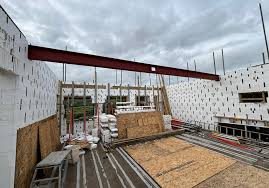
Building authorities and architectural organizations are placing greater attention on low carbon construction as governments, homeowners, and developers search for practical ways to reduce the environmental impact of buildings. New international guidance is encouraging the use of lower carbon residential materials, with sustainable timber, efficient insulation, recycled products, and smart building systems becoming increasingly important in home construction and renovation projects.
Why Low Carbon Construction Is Becoming a Global Priority
Buildings account for a substantial share of global energy use and carbon emissions, making the construction sector an important part of climate policy. The environmental impact does not begin when a homeowner switches on a heating or cooling system. It starts much earlier, with the extraction of raw materials, manufacturing, transportation, construction, maintenance, and eventual disposal of building components.
That broader view is changing how architects and builders think about sustainability. A home can use efficient appliances and renewable electricity while still carrying a large environmental footprint if its construction relies heavily on carbon intensive materials and inefficient insulation.
Newer building guidance is therefore placing greater attention on the entire life cycle of residential materials. The objective is to reduce emissions associated with construction while also creating homes that require less energy to operate.
The United Nations Environment Programme has repeatedly highlighted the importance of reducing emissions from buildings and construction, particularly through energy efficiency, cleaner materials, and more sustainable building practices.
Sustainable Timber Gains Attention in Residential Construction
One of the materials receiving renewed attention is responsibly sourced timber. Wood can store carbon during the life of a building and, when forests are managed properly, can provide a renewable alternative for certain construction applications.
Timber is already widely used for structural framing, flooring, doors, wall systems, and interior finishes. Advances in engineered wood products have expanded the number of situations in which wood can be used for structural purposes.
For homeowners, the appeal goes beyond environmental considerations. Timber can create warm interior spaces, offer design flexibility, and work well with modern prefabricated construction methods. However, responsible sourcing remains essential. Simply using wood does not automatically make a building sustainable.
Forestry practices, transportation distances, manufacturing methods, durability, and end of life options all influence the environmental performance of timber. Certification systems and transparent supply chains can help builders distinguish responsibly sourced products from materials whose environmental claims are difficult to verify.
Smart Insulation Could Reduce Household Energy Demand
Insulation is another area where construction standards are changing. A well insulated home can maintain indoor temperatures more effectively, reducing the amount of energy required for heating and cooling.
This has direct consequences for households. During a cold winter morning, good insulation can help a home retain warmth instead of allowing heated air to escape through poorly insulated walls, roofs, windows, and floors. During a hot afternoon, the same building envelope can slow the movement of heat into living spaces.
Modern insulation products are increasingly being designed with both energy performance and environmental impact in mind. Natural fiber insulation, recycled materials, cellulose, responsibly produced mineral products, and advanced foam systems can all serve different applications depending on the building design and local climate.
Smart building systems can complement these materials. Sensors can monitor temperature, humidity, ventilation, and energy consumption, allowing heating and cooling systems to respond more precisely to changing conditions.
Net Zero Construction Requires More Than One Material
The idea of net zero carbon construction can sometimes create the impression that a single material or technology can solve the building sector’s environmental problems. In practice, the equation is much more complicated.
A low carbon home requires coordinated decisions about site selection, orientation, structural materials, insulation, windows, ventilation, heating, cooling, lighting, water systems, renewable energy, and long term maintenance.
For example, highly efficient insulation may have limited value if a building has poorly designed windows that allow excessive heat loss. Solar panels can generate clean electricity, but their benefits can be reduced if a building requires unusually large amounts of energy because of poor thermal performance.
The strongest results usually come from combining multiple measures rather than relying on one solution.
Renovation Is Becoming a Major Part of the Low Carbon Transition
New construction receives much of the attention, but existing homes represent an enormous opportunity. Millions of houses around the world were built before modern energy efficiency standards became common. Improving those buildings can reduce energy consumption without requiring complete demolition and reconstruction.
Home renovation can involve relatively simple measures such as sealing air leaks, improving roof insulation, replacing inefficient windows, upgrading heating equipment, or installing better ventilation. Larger projects may involve external wall insulation, renewable energy systems, heat pumps, or substantial changes to the building envelope.
For homeowners, renovation decisions often involve difficult financial calculations. The most environmentally effective option is not always the cheapest option at the beginning. A higher quality insulation system may require a larger initial investment but reduce energy bills for many years.
This is why clear building guidance matters. Homeowners need reliable information about material performance, expected service life, installation requirements, and total costs rather than simply being presented with a list of products described as sustainable.
Why Building Standards Matter for the Global Market
Construction standards influence far more than architects. They shape what developers build, what contractors install, what manufacturers produce, and what homeowners can expect from new housing.
When multiple markets move toward similar environmental requirements, manufacturers have a stronger incentive to develop products that meet those standards. Large scale demand can also encourage investment in cleaner manufacturing processes and more efficient supply chains.
Common principles can make it easier for architects and construction companies working internationally to adapt their designs. At the same time, standards must recognize regional differences. A home designed for a cold northern climate will require different materials and ventilation strategies from a home in a hot and humid region.
Climate sensitive construction therefore needs flexibility. The goal should be consistent environmental performance rather than forcing every country to use identical building methods.
The Cost Question Could Shape How Quickly Homes Change
One of the biggest challenges facing low carbon construction is affordability. Sustainable materials can sometimes cost more than conventional alternatives, especially when supply chains are still developing or specialized installation is required.
That creates a difficult situation for families already facing high housing costs. A policy that requires more expensive construction without financial support can make home ownership less accessible.
Governments and financial institutions can play a role by supporting energy efficient renovations through incentives, favorable financing, grants, or targeted assistance for lower income households. These measures can help spread the initial cost while allowing families to benefit from lower energy consumption over time.
Builders also have an opportunity to reduce costs through better design. Passive solar orientation, effective shading, natural ventilation, and efficient building envelopes can sometimes reduce energy demand without relying entirely on expensive technology.
What Homeowners Should Consider During a Renovation
Homeowners preparing for renovation can make better environmental decisions by looking at the building as a complete system rather than choosing individual products in isolation.
- Start with an assessment of existing energy use and areas of heat loss.
- Prioritize the building envelope before adding expensive energy equipment.
- Compare material durability and maintenance requirements alongside purchase prices.
- Look for credible information about recycled content and responsible material sourcing.
- Consider local climate conditions before selecting insulation and ventilation systems.
- Calculate expected energy savings over the useful life of major improvements.
Professional advice can be particularly valuable for older homes. Moisture problems, ventilation limitations, structural conditions, and hidden defects can affect whether a particular insulation or renovation method is appropriate.
Builders Face Growing Demand for Environmental Transparency
As sustainability becomes more important to buyers, construction companies are likely to face greater demand for evidence behind environmental claims. Homeowners increasingly want to know not only how much a building will cost but also how much energy it will consume and what materials were used to construct it.
This creates pressure for better documentation. Environmental product declarations, responsible sourcing certifications, energy performance assessments, and transparent material information can help consumers make more informed decisions.
The construction industry also needs to avoid vague environmental language. Calling a product green or sustainable does not explain its actual impact. Buyers need measurable information about energy performance, carbon emissions, durability, recyclability, and manufacturing processes.
Low Carbon Design Can Improve Comfort as Well as Efficiency
The environmental case for better construction is strong, but there is also a human side that should not be overlooked. Energy efficient buildings can be more comfortable places to live.
A properly insulated bedroom can feel warmer on a cold night. A well shaded living room can remain cooler during a summer afternoon. Effective ventilation can improve indoor air quality, while modern building controls can make temperature management more consistent.
These benefits matter because people experience buildings through ordinary moments. A family eating breakfast in a warm kitchen, a child sleeping comfortably during a winter night, or an older resident staying cool during extreme summer heat may never think about building standards. Yet those experiences are directly influenced by decisions made during design and renovation.
The Construction Industry Is Entering a More Measurable Era
The shift toward low carbon building standards represents a broader change in how the construction sector measures success. A building is no longer judged only by its appearance, structural strength, and purchase price. Energy performance, material sourcing, carbon emissions, resilience, and long term operating costs are becoming part of the same conversation.
The International Energy Agency has also documented the central role of buildings in global energy demand and the need for greater efficiency as countries work toward climate goals.
That change will not happen overnight. Existing housing stock, regional construction traditions, material availability, labor skills, and household finances all influence how quickly new standards can be adopted. But the direction of the market is becoming clearer.
A Long Term Shift Toward Better Homes
The growing demand for low carbon construction standards is not simply about reducing emissions on paper. It is about changing how homes are designed, built, renovated, and lived in.
Sustainable timber, efficient insulation, smart energy controls, renewable power, durable materials, and thoughtful architectural design can work together to reduce environmental pressure while improving comfort and household efficiency.
We should also recognize that a successful transition must remain affordable. Sustainable construction cannot become a privilege available only to wealthy homeowners. The strongest policies will combine environmental standards with financial support, practical guidance, skilled labor development, and access to reasonably priced materials.
If those pieces come together, the next generation of homes could use less energy, produce fewer emissions, remain comfortable under changing weather conditions, and cost less to operate over their lifetimes. The construction industry is beginning to treat carbon performance as a core measure of building quality, and that shift could influence residential architecture for decades to come.