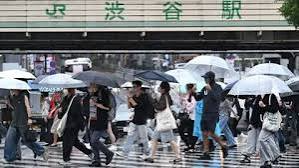
Typhoon Dujuan is disrupting international passenger travel across East Asia as Japan and neighboring transportation hubs issue weather alerts and airlines adjust flight routes ahead of the storm. For travelers already moving through busy airports, the impact can mean delayed departures, changed arrival times and longer journeys as carriers balance passenger demand with rapidly changing weather conditions.
The disruption comes at a sensitive time for regional aviation. East Asia is connected by dense networks of flights, rail services, ferries and ground transportation, meaning severe weather in one area can quickly create problems far beyond the location directly affected by the storm. For passengers, a flight that appears to be operating normally can still become part of a wider chain of delays if aircraft, crews or connecting flights are moved elsewhere.
Typhoon Dujuan Brings New Pressure to Regional Travel
As Typhoon Dujuan approaches, authorities in Japan and nearby travel hubs are monitoring the storm and issuing regional weather warnings. Airlines are also preparing for possible changes to flight paths as they attempt to keep aircraft away from dangerous weather conditions.
For travelers, the most important distinction is between a flight being cancelled and a flight being rerouted or delayed. An airline may keep a service operating while changing its route, altitude or arrival time. In more serious conditions, however, airports can experience temporary closures, ground handling interruptions or restrictions on aircraft movements.
These decisions are rarely made in isolation. Aviation authorities, airport operators, airline dispatch teams and weather specialists continuously assess conditions before aircraft are allowed to continue along planned routes.
Why Typhoons Can Disrupt Flights Hundreds of Miles Away
A powerful tropical storm does not need to pass directly over an airport to affect aviation. Strong winds, heavy rainfall, turbulence, reduced visibility and changing atmospheric conditions can all influence flight operations.
Airlines may choose longer routes to avoid the strongest parts of a storm. That can increase flying time and fuel consumption while also reducing the number of aircraft available for later flights. A delay early in the day can therefore become several delays by evening as the same aircraft moves between multiple destinations.
We often see this effect most clearly at major connecting airports. A passenger may be traveling from one Asian city to another and never come particularly close to the storm itself. Yet a connecting aircraft or crew may have arrived from an affected destination earlier in the day, causing the passenger’s onward journey to change.
Japan Faces the Immediate Weather Challenge
Japan’s geography makes it particularly exposed to weather systems moving across the western Pacific. The country has a large network of airports serving both domestic and international travelers, including major gateways that connect Japan with China, South Korea, Southeast Asia and North America.
When severe weather approaches, aviation authorities and airlines must balance two priorities. They need to maintain transportation services where conditions remain safe, while also protecting passengers, crews, aircraft and airport workers from unnecessary risk.
That can lead to precautionary measures before the worst weather arrives. Airlines may adjust schedules, move aircraft to safer locations or warn passengers that their itinerary could change. Travelers may see updates several times before departure because weather forecasts can shift as the storm develops.
Neighboring Hubs Could Feel the Ripple Effects
The impact of Typhoon Dujuan is not limited to Japan. East Asian aviation functions as a highly connected network, with major airports serving as transfer points for passengers traveling between countries and continents.
If flights into one major airport are delayed, connecting passengers may miss onward services. Airlines may then need to rebook travelers, reposition aircraft and adjust crew schedules. The resulting disruption can continue even after weather conditions improve at the original airport.
Hong Kong, Seoul, Taipei and other major regional aviation centers regularly handle large volumes of connecting passengers. Weather disruptions in one part of the network can therefore create operational pressure elsewhere even when those airports are not experiencing the storm directly.
For passengers, this is why checking only the departure airport is not always enough. The status of connecting airports and onward flights can be equally important.
What Travelers Should Do Before Heading to the Airport
Travelers with flights scheduled during the storm period should monitor their airline and airport notifications closely. A flight that has not been cancelled may still receive a revised departure time or routing.
Passengers can take several practical steps before leaving home:
- Check the flight status shortly before traveling to the airport
- Review both departure and connecting airport conditions
- Keep important booking information easily accessible
- Allow additional time for airport transportation
- Monitor airline messages for schedule changes
- Prepare for possible rebooking if weather conditions deteriorate
Travelers should also avoid relying exclusively on information received several hours earlier. Tropical storms can change quickly, and an itinerary that looked normal in the morning may be different by the afternoon.
Airlines Face a Difficult Operational Balancing Act
For airlines, typhoon disruptions create a complicated scheduling problem. Aircraft, pilots, cabin crews and airport staff all need to be in the right place at the right time. When one part of the network becomes unavailable, the consequences can spread through the schedule.
Rerouting an aircraft may keep one flight operating but cause another service to start late. Cancelling a flight may disappoint passengers, but it can also prevent larger operational problems later in the day.
Fuel planning becomes another consideration. Longer routes around severe weather can increase fuel requirements. Airlines must also account for alternative airports and possible holding patterns if conditions at the destination deteriorate.
These decisions are largely invisible to passengers. From the terminal, a delay may look like a simple scheduling problem. Behind the scenes, dispatch teams can be monitoring weather systems, aircraft positions, airport capacity and crew availability simultaneously.
Ground Transportation Can Face Its Own Disruptions
Air travel is only one part of the regional transportation system affected by severe weather. Heavy rain and strong winds can also interfere with rail services, buses, ferries and road transportation.
Japan’s extensive rail network is particularly important for travelers moving between airports and urban centers. Weather related restrictions can affect high speed rail services as well as local trains when authorities determine that conditions are unsafe.
Ferry services may also face interruptions when winds and waves become dangerous. For passengers traveling to islands or coastal destinations, a flight may remain available while the connecting ferry service is suspended.
This creates another layer of uncertainty. A traveler may successfully reach an airport but still face difficulty completing the final part of the journey.
International Travelers Could Face Longer Disruptions
Passengers traveling internationally often have fewer options when a weather event interrupts their plans. A domestic traveler may be able to use a train or road service instead of a cancelled flight. An international passenger may have to wait for another aircraft, change airports or spend additional time in transit.
Families traveling with children can face an especially difficult experience when delays stretch through the night. A quiet airport terminal can gradually become crowded as passengers wait for updates, while hotel rooms near major airports can become difficult to find when large numbers of travelers are stranded.
For business travelers, the disruption can also affect meetings, conferences and connecting appointments. A delay of several hours may appear minor on an individual flight but become significant when a traveler has multiple scheduled commitments at the destination.
Weather Monitoring Will Remain Central
Authorities and airlines will continue monitoring the storm’s movement as Typhoon Dujuan approaches. Forecast changes can influence which airports face the greatest operational pressure and how long restrictions remain in place.
The Japan Meteorological Agency provides official weather information and tropical cyclone monitoring that travelers and transportation operators can use when assessing conditions in Japan.
International travelers can also monitor broader tropical cyclone information through the National Oceanic and Atmospheric Administration, which provides weather and atmospheric information relevant to storm monitoring.
Recovery May Take Longer Than the Storm Itself
One of the most important points for travelers to understand is that transportation disruption can continue after the worst weather has passed. Once conditions improve, airlines and airports still need to restore normal schedules.
Aircraft may be positioned at different airports. Crews may have reached their legal operating limits. Passengers from cancelled flights may need new seats. Ground staff may have to process large numbers of travelers at once.
That means a storm that lasts for several hours can create transportation effects lasting well into the following day. The speed of recovery depends on airport capacity, weather conditions, airline resources and the number of flights affected.
What Typhoon Dujuan Means for East Asian Travel
Typhoon Dujuan is once again demonstrating how closely connected the transportation systems of East Asia have become. A weather event approaching Japan can affect flight routes, connecting airports, railway services and passenger schedules across a much wider area.
For travelers, flexibility will be especially valuable. Keeping track of official weather information, checking airline updates and allowing additional time can reduce some of the uncertainty. Travelers should also understand that a flight operating today does not guarantee that the same itinerary will remain unchanged later.
For airlines and transportation authorities, the immediate priority remains safe movement rather than maintaining every scheduled service at any cost. That may mean rerouting aircraft, delaying departures or temporarily suspending certain operations until conditions improve.
As Typhoon Dujuan approaches, the experience of passengers across East Asia will depend on the storm’s path and intensity as well as the ability of transportation networks to adjust. The coming days will show how quickly regional aviation and transit systems can return to normal once the weather threat begins to move away.