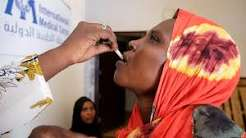
The World Health Organization has issued a stark warning about the global cholera burden after new data showed that reported cases fell in 2025 while reported deaths climbed by about 30%. The figures reveal a troubling gap between the number of infections being recorded and the number of people dying, with 47 countries reporting 451,499 cholera cases and 7,870 deaths to WHO. The reported death total was the highest recorded by WHO since 1999. :contentReference[oaicite:0]{index=0}
Fewer Reported Cases Did Not Mean Fewer Cholera Deaths
At first glance, the latest figures might appear encouraging because reported cholera cases decreased from 560,823 in 2024 to 451,499 in 2025, a decline of 19.5%. Yet reported deaths moved in the opposite direction, increasing from 6,028 to 7,870. That represents an increase of 30.6%, according to the WHO’s annual cholera report. :contentReference[oaicite:1]{index=1}
We should be careful about interpreting those numbers as a simple global improvement followed by a deterioration. WHO stresses that surveillance figures do not represent the full worldwide burden of cholera. Many infections are never reported, and differences in surveillance systems, access to laboratories and the ability to record deaths can affect comparisons between countries and years. WHO estimates that the actual annual burden is substantially larger than reported totals. :contentReference[oaicite:2]{index=2}
The central message is therefore not that cholera became more widespread everywhere. Rather, the available data show that fewer reported cases coincided with substantially more reported deaths, a pattern that raises serious questions about access to timely diagnosis, rehydration treatment, safe water and effective outbreak response in the places carrying the heaviest burden.
Seven Countries Accounted for About Nine in 10 Reported Cases and Deaths
The global statistics are heavily concentrated in a relatively small group of countries. Angola, Bangladesh, the Democratic Republic of the Congo, Nigeria, South Sudan, Sudan and Yemen together accounted for around 90% of reported cholera cases and deaths in 2025. WHO also reported that five of these countries were affected by conflict during the year and that all seven experienced conflict or disaster related internal displacement. :contentReference[oaicite:3]{index=3}
This concentration helps explain why worldwide case totals can fall while mortality rises. A substantial decline in one country can reduce the global case count even while severe outbreaks elsewhere become deadlier.
Yemen provides a clear example. The country reported 166,811 fewer cases than in 2024, making its decline a major contributor to the worldwide reduction. When Yemen is excluded, however, the countries reporting in both years recorded an increase of 28,715 cases. South Sudan, the Democratic Republic of the Congo, Sudan and Burundi were among the countries reporting substantial increases. :contentReference[oaicite:4]{index=4}
Africa Carried the Largest Reported Burden
The WHO African Region accounted for 245,501 reported cases in 2025, representing 54% of the global total, and 5,338 deaths, representing 68% of reported deaths. Compared with 2024, the region recorded a 34% increase in cases and a 58% increase in deaths. :contentReference[oaicite:5]{index=5}
The figures illustrate why the global headline needs regional context. While the worldwide case count declined, several African countries experienced worsening outbreaks and higher mortality. WHO’s data show that the burden was not distributed evenly across populations or health systems.
The Eastern Mediterranean Region also experienced a major burden, with 176,654 reported cases and 2,438 deaths in 2025. Together, the African and Eastern Mediterranean regions accounted for 93% of reported global cases, according to WHO. :contentReference[oaicite:6]{index=6}
Why Cholera Can Become Fatal So Quickly
Cholera is a bacterial intestinal infection caused by Vibrio cholerae. It is generally transmitted through food or water contaminated with the bacteria. Many infected people develop no symptoms or only mild illness, but severe cases can produce large amounts of watery diarrhoea and vomiting. Rapid loss of fluids and electrolytes can lead to severe dehydration and death within hours if treatment is delayed. :contentReference[oaicite:7]{index=7}
That speed is one of the defining challenges of cholera control. A person can deteriorate dramatically in a short period, particularly where medical facilities are distant, transportation is difficult or treatment supplies are limited.
WHO says the most important immediate response is rapid rehydration. Oral rehydration solution can save lives in many cases, while people with severe disease may require intravenous fluids and, in some circumstances, antibiotics. :contentReference[oaicite:8]{index=8}
Safe Water Remains One of the Strongest Defenses
Cholera prevention begins well before someone reaches a clinic. Safe drinking water, sanitation and hygiene reduce the opportunity for contaminated material to enter the food and water supply. WHO describes access to safe water, sanitation and hygiene as essential to preventing cholera and other waterborne diseases. :contentReference[oaicite:9]{index=9}
This is why a cholera response cannot rely entirely on hospital treatment or vaccination. Communities need functioning water systems, sanitation infrastructure, disease surveillance and clear public health communication at the same time.
Conflict and Displacement Can Make Outbreaks Harder to Control
The connection between cholera and humanitarian emergencies is particularly visible in the countries carrying the greatest reported burden. Conflict and disaster can force families from their homes, damage water systems and overwhelm local health services. Crowded temporary settlements can also make it more difficult to maintain sanitation and secure safe drinking water.
When health workers cannot safely reach affected communities, even basic interventions can become difficult. A person suffering from severe diarrhoea may need only relatively straightforward treatment to survive, yet that treatment becomes much harder to provide when clinics lack supplies or families cannot safely travel to them.
WHO has described conflict, poverty, inadequate sanitation and limited access to safe water as enduring factors behind cholera outbreaks. Climate related events such as floods, cyclones and droughts can further disrupt water supplies and create conditions in which cholera spreads more easily. :contentReference[oaicite:10]{index=10}
Vaccination Can Help, But It Is Not the Whole Solution
Oral cholera vaccines remain an important part of outbreak control and prevention. WHO reported in February 2026 that global vaccine supply had improved sufficiently for preventive vaccination campaigns to resume. The organization said a single dose provides short term protection for at least six months, while two doses can provide longer protection, with the use of two doses considered according to circumstances. :contentReference[oaicite:11]{index=11}
Vaccination can reduce the risk of infection and help control outbreaks, but it cannot substitute for reliable water and sanitation systems. WHO has repeatedly pointed to long term investment in water, sanitation and hygiene infrastructure, alongside surveillance, rapid treatment and community engagement, as necessary elements of sustainable cholera control. :contentReference[oaicite:12]{index=12}
What the 2025 Numbers Tell Us About the Global Response
The latest report also highlights a difficult reality for international health agencies. Cholera can be controlled with established tools, yet those tools are not equally accessible everywhere. The challenge is often less about discovering a completely new medical solution and more about delivering proven measures quickly to communities facing the greatest risks.
- Rapid access to oral rehydration can prevent severe dehydration from becoming fatal.
- Safe drinking water and effective sanitation reduce transmission at its source.
- Early disease surveillance helps health authorities identify outbreaks before they expand.
- Oral cholera vaccination can support outbreak response and preventive campaigns.
- Reliable health services are particularly important in conflict affected and displaced communities.
WHO’s global cholera situation information provides continuing updates on the disease, while its cholera guidance also explains symptoms, prevention and treatment for communities and health workers.
Early 2026 Data Show Why Continued Vigilance Matters
The 2025 annual report does not describe the complete situation in 2026. WHO’s subsequent surveillance updates show that cholera activity has continued across several regions, although the pattern has changed over time. From January 1 through July 26, 2026, WHO recorded 221,365 cholera and acute watery diarrhoea cases and 2,153 deaths from 28 countries across four WHO regions. Compared with the same period in 2025, reported cases were 44% lower and reported deaths were 56% lower. :contentReference[oaicite:13]{index=13}
Those figures are encouraging for the period covered, but WHO cautions that reporting delays, underreporting and differences in surveillance systems can affect comparisons. The organization also continues to describe the global cholera situation as a serious public health concern. :contentReference[oaicite:14]{index=14}
What Communities Can Do When Cholera Is a Concern
For individuals living in or travelling through an affected area, practical precautions remain important. WHO advises people to pay attention to local public health information, use safe water for drinking and food preparation, maintain hand hygiene and seek medical care quickly if severe diarrhoea or vomiting develops.
Oral rehydration solution should be started as soon as cholera symptoms appear, while people with significant dehydration should reach a health facility as quickly as possible. WHO identifies infants, young children, older adults and people who are already ill as groups that can face greater risks from severe disease. :contentReference[oaicite:15]{index=15}
The latest WHO figures leave us with a message that is both sobering and practical. A decline in reported cases cannot by itself be treated as evidence that the cholera threat is easing everywhere. The 2025 data show how quickly mortality can move in the opposite direction when outbreaks intensify in vulnerable communities.
Cholera remains preventable and treatable, but prevention depends on conditions that extend far beyond the clinic. Clean water, sanitation, vaccination, functioning health services, rapid diagnosis and timely rehydration all contribute to keeping a diarrhoeal infection from becoming a tragedy. The rise in reported deaths is therefore not only a measure of disease activity. It is also a reminder of how closely survival can depend on whether basic public health protections reach people when they need them most.