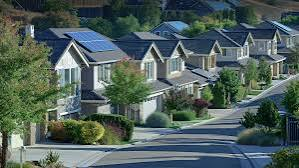
Homeowners across Europe and North America are increasingly turning to energy efficient renovations as changing seasonal weather patterns make heating and cooling costs harder to predict. On October 5, 2026, building materials manufacturers and home improvement businesses reported strong demand for projects involving thermal insulation, efficient windows, smart HVAC systems and connected energy controls. What was once viewed mainly as a long term property improvement is becoming a practical response to hotter summers, colder spells and the growing cost of keeping homes comfortable.
Homeowners Are Rethinking How Their Houses Use Energy
For many families, the decision to renovate begins with a familiar experience. A room becomes uncomfortable during an intense summer afternoon, heating bills rise sharply during winter, or an older air conditioning system struggles to maintain a consistent temperature. These problems are encouraging homeowners to look beyond individual appliances and consider the building itself.
Thermal insulation has become a particularly important part of that conversation. Better insulation can reduce the amount of heated or cooled air escaping through walls, roofs and other parts of a building envelope. When combined with efficient windows and properly sealed doors, it can help maintain indoor temperatures for longer periods and reduce the workload placed on heating and cooling equipment.
We are seeing a broader change in the way homeowners think about energy consumption. Instead of simply buying a more powerful air conditioner or turning up the heating, many are asking why their homes lose so much energy in the first place. That shift is helping drive demand for whole home retrofits rather than isolated repairs.
Thermal Insulation Moves to the Center of Home Renovation
Insulation may not have the visual appeal of a new kitchen or bathroom, but it can have a significant effect on everyday comfort. Properly installed insulation helps slow the transfer of heat between indoor and outdoor spaces. During winter, it can help keep warmth inside. During summer, it can reduce the amount of outdoor heat entering the building.
Older properties can be especially attractive candidates for insulation improvements. Homes built before modern energy standards may have insufficient insulation in roofs, walls or floors. Some may also have gaps around windows, doors and service openings that allow conditioned air to escape.
For homeowners considering a retrofit, the most useful first step is often an energy assessment rather than immediately purchasing new equipment. Identifying where energy is being lost can prevent families from spending thousands of dollars on upgrades that address the wrong problem.
Why the Building Envelope Matters
The building envelope includes the parts of a property that separate indoor living areas from outdoor conditions. Walls, roofs, windows, doors and floors all contribute to the home’s thermal performance.
A highly efficient heating system installed inside a poorly insulated building may still operate for long periods because heat continues to escape. Conversely, improving insulation and air sealing can reduce the amount of work required from heating and cooling equipment.
This is why contractors increasingly recommend treating insulation, ventilation, windows and HVAC performance as connected parts of the same project. The goal is not simply to install individual products but to create a home that requires less energy to remain comfortable.
Smart HVAC Systems Gain Attention
Thermal improvements are being paired with another fast growing renovation category: smart HVAC integration. Modern heating and cooling systems can use sensors, programmable controls and connected thermostats to adjust indoor conditions according to occupancy, temperature and household routines.
A traditional thermostat may maintain a selected temperature throughout the day even when nobody is home. A connected system can respond more intelligently by reducing heating or cooling when a property is empty and restoring comfort before residents return.
Some systems can also divide a home into different temperature zones. This can be useful in larger properties where bedrooms, living areas and unused rooms do not require identical temperatures throughout the day.
The appeal is practical rather than purely technological. Homeowners are increasingly interested in systems that make energy consumption easier to monitor and control without requiring constant attention.
Weather Volatility Is Changing Renovation Priorities
Seasonal weather extremes are playing an increasingly visible role in household decisions. Periods of intense heat can place heavy demand on cooling systems, while sudden cold spells can sharply increase heating requirements. The result is a growing interest in homes that can maintain stable indoor temperatures without consuming excessive energy.
For families, this is partly about comfort and partly about financial predictability. Energy bills can become difficult to manage when weather conditions change rapidly. A more efficient home can help reduce the amount of energy required during periods of high demand.
We should also recognize the emotional side of this trend. Home is supposed to provide relief from the weather outside. When bedrooms become unbearably hot at night or a living room remains cold despite continuous heating, that basic sense of comfort is lost. Energy efficient renovations are increasingly being viewed as a way to restore that comfort while controlling household expenses.
Europe and North America See Strong Retrofit Interest
The retrofit trend is developing across both Europe and North America, although the reasons and building conditions vary from region to region. European cities contain large numbers of older properties that can benefit from insulation, window replacement and heating system improvements. North American homeowners are also investing in insulation, efficient heat pumps, smart thermostats and upgraded air conditioning systems.
Government energy efficiency programs and building standards are influencing some of these decisions. Incentives can reduce the upfront cost of improvements, while stricter efficiency requirements can encourage property owners to upgrade older buildings.
The European Commission’s energy efficiency resources provide information about policies and initiatives aimed at reducing energy consumption across buildings and other sectors.
In the United States, homeowners and contractors can also use guidance from the US Department of Energy’s Energy Saver program, which covers insulation, heating and cooling efficiency and other residential energy improvements.
Heat Pumps Become Part of the Conversation
Heat pumps are receiving increased attention as homeowners reconsider conventional heating and cooling systems. Unlike traditional heating equipment that generates heat directly, heat pumps transfer heat from one location to another. Depending on the system and operating conditions, the same basic technology can provide heating and cooling.
This flexibility can make heat pumps particularly attractive in regions where households need both heating and air conditioning during different seasons. Their effectiveness, however, depends on climate, equipment selection, installation quality and the thermal performance of the building.
A heat pump should therefore not be treated as a universal solution. Homeowners need to consider insulation, electrical capacity, existing ductwork, local temperatures and the condition of their current HVAC system before making a major investment.
Smart Energy Controls Give Homeowners More Visibility
Another important part of the renovation trend is the growing availability of home energy monitoring. Smart meters, connected thermostats and energy management systems can provide households with information about when electricity is being consumed and which systems are responsible for the largest loads.
That information can change behavior. A homeowner who sees how much energy an inefficient cooling system consumes during peak hours may become more willing to adjust temperature settings or schedule maintenance. Families can also identify unusual patterns that may indicate equipment problems.
However, connected technology is most useful when it solves a genuine household problem. Installing numerous smart devices does not automatically make a property efficient. A poorly insulated house filled with connected gadgets can still waste substantial amounts of energy.
The Upfront Cost Remains a Major Barrier
Despite growing interest, energy efficient renovations can require significant upfront spending. Insulation, windows, HVAC equipment, electrical upgrades and professional installation can quickly become a substantial investment, particularly for older properties.
This creates a difficult calculation for homeowners. A project may reduce monthly energy costs over many years, but families still need to find the money to pay for the work today. Financing programs, rebates and government incentives can make the decision easier, but eligibility and available support vary considerably by location.
Homeowners should also be cautious about choosing upgrades solely because they promise large savings. Actual performance depends on the property, climate, installation quality, energy prices and household behavior. A professional assessment can help establish realistic expectations before a major renovation begins.
Contractors and Building Manufacturers Adapt to New Demand
The growing retrofit market is also changing the businesses that supply homes. Building materials manufacturers are placing greater attention on insulation products, efficient windows, sealing materials and other components designed to improve building performance.
Contractors are increasingly being asked to combine traditional renovation skills with knowledge of connected technology. An HVAC installer may now need to understand smart controls, while an insulation contractor may need to consider ventilation and indoor air quality as part of the project.
This creates opportunities for specialized workers and companies that can offer comprehensive energy renovation services. It also places greater responsibility on contractors to communicate clearly with homeowners about expected performance, maintenance requirements and long term costs.
What Homeowners Should Consider Before Renovating
For households considering an energy efficiency project, the strongest approach is usually to start with the property’s existing weaknesses rather than a particular product. A systematic assessment can help determine which improvements are likely to provide the greatest value.
- Check insulation levels in the attic, roof, walls and floors where appropriate.
- Inspect windows and doors for air leakage and poor thermal performance.
- Evaluate the age, efficiency and maintenance condition of heating and cooling equipment.
- Consider whether a smart thermostat or zoning system would match the household’s daily routine.
- Review available rebates, tax incentives and financing programs before signing a contract.
Maintenance should also remain part of the calculation. Even efficient equipment can perform poorly when filters are blocked, ducts leak or systems are incorrectly configured. A well designed renovation delivers the greatest value when the household continues to maintain the equipment and building envelope afterward.
A Long Term Shift in How Homes Are Designed
The current surge in energy efficient renovations points toward a broader change in residential construction and home improvement. Energy performance is increasingly being considered alongside appearance, location and floor space when people evaluate a property.
That change could affect the housing market over time. Homes that require less energy to heat and cool may become more attractive to buyers who are concerned about monthly operating costs. Properties with modern HVAC systems, strong insulation and intelligent energy controls could also become easier to market as household energy awareness increases.
For existing homeowners, the trend offers another possibility. A retrofit can improve comfort and efficiency without requiring a family to move. Instead of treating an older home as a permanent energy liability, owners can gradually improve its performance through targeted upgrades.
The Future of the Energy Efficient Home
The strongest residential energy strategy is unlikely to depend on one technology. Insulation, efficient windows, heat pumps, ventilation, smart controls and renewable energy systems can work together when they are properly planned.
That integrated approach is particularly relevant as households prepare for increasingly demanding seasonal conditions. A home that loses less heat, requires less cooling and gives residents better control over energy use can provide both financial and practical benefits.
We are seeing a renovation market increasingly shaped by a simple household priority: staying comfortable without wasting energy. The appeal is easy to understand. People want homes that remain cool when the afternoon heat becomes oppressive, warm when winter arrives and affordable to operate throughout the year.
The surge in insulation and smart HVAC projects suggests that energy efficiency is no longer merely an environmental consideration for homeowners. It is becoming part of everyday household resilience. As manufacturers, contractors and policymakers respond to that demand, the homes receiving attention today could help define what comfortable, efficient residential living looks like for years to come.