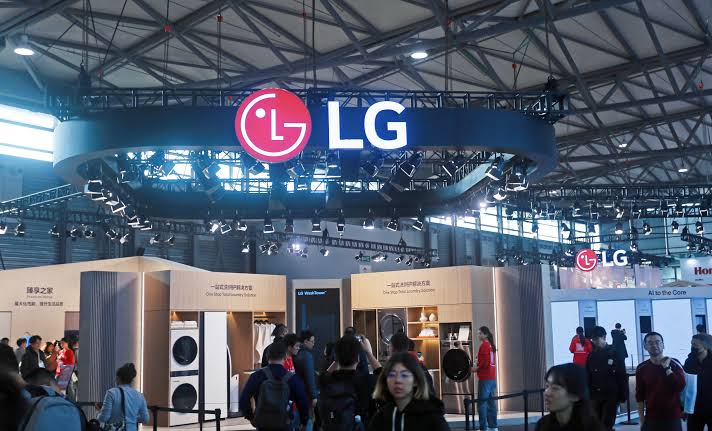
Apple is accelerating its smart home hardware strategy through a reported collaboration with LG focused on secure, localized domestic automation devices, according to the news summary dated October 8, 2026. The reported initiative points toward a future in which connected household technology works more seamlessly, responds more intelligently to everyday routines, and gives consumers greater control over their personal data. While the precise scope of the collaboration, product lineup, pricing, and release schedule have not been confirmed in the information available for this report, the potential partnership highlights the growing importance of privacy, interoperability, and dependable hardware in the smart home market.
For consumers, the appeal of a smarter home is practical rather than futuristic. Lights that respond to daily schedules, climate controls that adjust to changing conditions, and household devices that communicate without constant manual input can make ordinary routines easier. Yet these conveniences also raise legitimate questions about data collection, network security, and whether products from different manufacturers can work together reliably. A potential Apple and LG collaboration would place these issues near the center of a market increasingly shaped by expectations of convenience without sacrificing personal privacy.
Why Apple Is Pursuing a Broader Smart Home Strategy
Apple has built its consumer technology business around an ecosystem in which hardware, software, and services are designed to work together. The iPhone, Apple Watch, Apple TV, and connected accessories can form part of a unified experience, allowing users to manage multiple activities through familiar interfaces. Smart home technology represents a natural extension of this approach because it connects personal devices with the physical spaces where people live.
However, a successful smart home ecosystem requires more than an attractive application or a voice controlled assistant. Devices must communicate reliably, respond quickly, remain secure, and continue performing essential functions when internet connectivity is interrupted. Consumers also expect products to be straightforward to install and maintain. By pursuing additional hardware capabilities and partnerships, Apple could seek to address more of these requirements while giving customers stronger reasons to keep their household technology within a connected ecosystem.
The reported focus on localized domestic automation is particularly relevant. Processing certain commands and information inside a home, rather than automatically sending every request to remote servers, can reduce unnecessary data transmission and potentially improve responsiveness. Local operation may also allow supported automations to continue when an external internet connection becomes unreliable. The actual privacy and reliability benefits, however, would depend on how any resulting products are engineered, configured, and updated.
What LG Could Bring to the Partnership
LG has experience across consumer electronics and home appliances, including products designed for kitchens, laundry rooms, living areas, and climate control. That experience could complement Apple’s strengths in software integration, device interfaces, and ecosystem design. If the reported collaboration develops into commercial products, combining these areas of expertise could help connect household appliances with a more coordinated smart home environment.
The distinction matters because smart home technology is often fragmented. A consumer may own a connected television, a smart air conditioner, app controlled lighting, and a security device, yet discover that each product requires a different application or account. Even when individual devices work well, managing them separately can create friction. A more coordinated approach could simplify setup, automation, and everyday control.
Still, a reported collaboration should not be mistaken for confirmation that particular products are under development or that all LG appliances will become compatible with Apple’s ecosystem. The companies would need to define the supported devices, software requirements, regional availability, and integration standards. Until official announcements provide those details, specific product features and launch expectations remain uncertain.
Privacy and Local Processing Could Become Major Selling Points
Connected household devices can generate information about daily schedules, occupancy patterns, temperature preferences, and other aspects of domestic life. Depending on their functions and configurations, cameras, microphones, sensors, and automation systems may collect particularly sensitive information. This creates a responsibility for manufacturers to explain clearly what data is collected, where it is processed, how long it is retained, and who can access it.
Apple has long presented privacy as a central consideration in its product strategy. A smart home initiative emphasizing secure local processing would be consistent with that positioning, although actual protections would need to be assessed through product documentation and independent testing rather than branding alone. Strong security depends on implementation, including encrypted communications, secure authentication, restricted permissions, and timely software updates.
Consumers should also distinguish between local control and complete privacy. A device may process basic automations inside the home while still relying on remote services for account management, notifications, backups, or advanced features. Manufacturers should explain these distinctions in accessible language so customers can make informed decisions instead of assuming that every function operates entirely offline.
For additional guidance, the National Institute of Standards and Technology’s cybersecurity resources provide useful background on security practices and risk management. Although household products vary considerably, the underlying principles remain relevant: minimize unnecessary data collection, protect access credentials, maintain software, and design systems with security in mind from the beginning.
Interoperability Will Determine Whether the Ecosystem Succeeds
One of the biggest obstacles facing smart home adoption is compatibility. Consumers do not necessarily want to replace functioning appliances simply because they purchase a new phone or smart speaker. They want products from different manufacturers to work together with minimal configuration and without confusing restrictions.
Industry standards such as Matter have been developed to improve interoperability among supported smart home products. The Connectivity Standards Alliance’s Matter overview explains the standard’s role in helping compatible devices communicate across supported ecosystems. Matter does not guarantee that every product supports every feature, but it offers a shared technical foundation intended to reduce fragmentation.
If Apple and LG expand their cooperation, compatibility choices could become a decisive factor in how useful their products are to households. Support for established standards could help consumers combine new equipment with existing devices rather than committing to a single manufacturer’s entire catalog. Clear setup instructions, consistent controls, and transparent information about supported features would further strengthen the experience.
Interoperability also affects long term value. Smart home devices are often expected to remain in use for years, making software support and backward compatibility important purchasing considerations. A product that works well on launch day but loses essential functionality after a platform update can quickly become a source of frustration. Buyers will therefore have reason to examine update commitments and compatibility policies alongside design and price.
How Consumers Could Benefit From Smarter Domestic Automation
Well designed home automation can offer practical advantages to families, older adults, people with mobility limitations, and anyone seeking to simplify repetitive tasks. Automated lighting may help occupants move through a home more comfortably at night. Smart climate controls can adjust settings according to established schedules. Connected appliances may provide status notifications that help users manage household responsibilities more efficiently.
These benefits depend on accessibility and reliability. A system should remain understandable to people who do not want to spend hours configuring devices. Manual controls should remain available where appropriate, and essential household functions should not become unnecessarily difficult when a network connection fails. Thoughtful automation should support a person’s routine rather than force the person to adapt to complicated technology.
Energy management is another potential advantage, provided devices offer meaningful monitoring and control. Scheduling heating, cooling, and selected appliances may help households reduce avoidable energy use. Actual savings depend on local energy prices, building conditions, weather, user behavior, and the equipment involved. Consumers should be cautious about broad savings claims until independent evidence and product specific measurements are available.
Competition in the Smart Home Market Is Intensifying
The smart home sector brings together technology companies, appliance manufacturers, security providers, and platform developers. Each seeks to make connected products more useful while encouraging customers to remain within its ecosystem. Apple’s reported move with LG would fit into this wider competition, where the quality of integration can matter as much as the specifications of an individual device.
For Apple, the opportunity is to make its existing devices more valuable by connecting them to everyday household activities. For LG, closer integration with a major consumer technology ecosystem could potentially create additional reasons for customers to consider its connected appliances. For rivals, developments of this kind may increase pressure to improve compatibility, privacy controls, customer support, and product reliability.
Nevertheless, a broader hardware strategy carries commercial risks. Consumers may hesitate to purchase expensive connected devices if the benefits are unclear or if they fear becoming locked into one platform. Manufacturers must also manage different national regulations, wireless standards, power requirements, and customer expectations. A partnership can provide complementary capabilities, but it does not remove the operational challenges of bringing reliable products to market.
What to Watch Before Drawing Conclusions
The most useful indicators of progress will be official product announcements and specific technical commitments. Consumers and industry observers should look for confirmation of the partnership’s scope, details about supported appliances, the extent of local processing, security update policies, and compatibility with existing smart home standards. Pricing, installation requirements, warranty coverage, and regional availability will also influence whether the initiative reaches a broad audience.
Independent reviews will be particularly valuable once products become available. Testing can establish whether automations respond consistently, whether devices remain functional during internet disruptions, and whether privacy settings are easy to understand. Such evidence is more informative than speculative launch forecasts or general promises of seamless integration.
A Potential Step Toward More Connected Homes
The reported Apple and LG collaboration reflects an important direction for household technology: consumers increasingly expect their devices to work together without making privacy and reliability an afterthought. If the companies deliver secure local automation, useful appliance integration, and dependable compatibility, their efforts could help make smart home systems more practical for ordinary households.
For now, the available news summary establishes a reported strategic push rather than a confirmed catalog of products or a finalized launch plan. The partnership’s significance will ultimately depend on what the companies deliver, how openly they explain their security practices, and whether the resulting devices solve everyday problems at a reasonable cost.
The strongest smart home experience is not necessarily the one with the most sensors, screens, or automated features. It is the one that works quietly in the background, protects the people who live inside the home, and makes daily life a little easier without adding unnecessary complexity. Whether Apple’s reported cooperation with LG achieves that standard will become clearer as verified details and real world product evidence emerge.