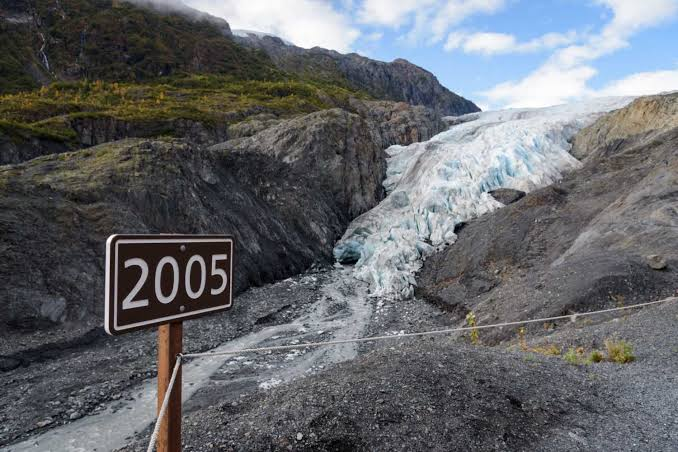
October 22, 2026 — International real estate investors are increasingly examining mountain destinations and alternative locations as they consider how climate risks could affect long term property values, living conditions and investment returns. High altitude homes, alpine retreats and properties in regions perceived as less exposed to certain climate hazards are attracting attention as investors look beyond traditional property markets. The shift reflects a wider effort to balance financial opportunity with environmental uncertainty, although mountain real estate is not automatically safer or more profitable simply because of its elevation.
For buyers seeking to preserve wealth across decades, a property is no longer judged only by its location, rental potential or architectural appeal. Questions about water availability, wildfire exposure, extreme rainfall, infrastructure reliability and future insurance costs are becoming increasingly relevant. These considerations are changing how some investors compare destinations and assess whether a property can remain useful, insurable and desirable as environmental conditions evolve.
Why Climate Risk Is Influencing Property Investment
Real estate has traditionally been valued through factors such as employment opportunities, population growth, transport links, local amenities and the supply of available homes. Those fundamentals remain important, but climate conditions can influence each of them. A location facing repeated flooding may require costly protective infrastructure, while an area experiencing prolonged heat or water shortages may become more expensive to maintain.
For property owners, the financial consequences can extend beyond visible damage. Insurance premiums may rise, coverage may become harder to obtain, maintenance expenses can increase and buyers may become more cautious. Local governments may also introduce new construction requirements or restrict development in areas exposed to significant hazards.
These pressures have encouraged some investors to consider geographic diversification. Instead of concentrating all property holdings in one city or coastal region, they may explore different climates, economies and types of housing markets. Mountain destinations can form part of that strategy, particularly where buyers value cooler summers, access to nature and established infrastructure.
However, the reported shift toward climate resilient properties should be understood as an investment trend rather than proof that all international investors are moving into high altitude real estate. Demand differs by country, price range and buyer motivation. Reliable transaction data is needed to determine how widely these preferences are influencing actual purchases.
Why Mountain Properties Are Attracting Attention
Mountain communities offer qualities that can appeal to both lifestyle buyers and investors. Cooler temperatures may provide relief during hot periods, while forests, lakes, hiking trails and ski facilities can support tourism and recreational living. In some established destinations, a combination of transport access, hospitality services and year round amenities makes mountain property attractive beyond the traditional winter season.
For affluent buyers, a mountain home may serve several purposes. It can be a private retreat, a second residence, a seasonal rental property or part of a diversified real estate portfolio. Buyers who work remotely may also value access to outdoor recreation without giving up reliable internet, healthcare and transport connections.
These lifestyle benefits can support demand, but they do not guarantee capital appreciation. Mountain markets often have limited developable land, strict planning rules and seasonal economies. Such conditions can constrain supply, yet they can also make properties expensive to purchase, maintain or sell. A location popular with holidaymakers may experience strong demand during peak months and much weaker activity during the rest of the year.
Investors should therefore separate the appeal of mountain living from the financial performance of a particular property. A beautiful view is not a substitute for examining local employment, rental demand, operating expenses, construction quality and the risks associated with the surrounding landscape.
High Altitude Does Not Mean Climate Proof
Elevation can influence temperature, precipitation and exposure to certain environmental hazards, but it is not a universal measure of safety. Mountain terrain creates complex local conditions, sometimes within a short distance. A property on a stable ridge may face different risks from a home near a steep slope, forest edge, river channel or glacial lake.
Wildfire is one concern in some mountain regions, particularly where dry conditions, vegetation and strong winds combine. Heavy rainfall can trigger landslides or flash flooding, while thawing frozen ground can affect slopes and infrastructure in certain environments. Changes in snow cover may also affect destinations that depend on winter tourism.
Water security deserves particular attention. A mountain location may appear abundant in water because of nearby snowfields, streams or lakes, but reliable supply depends on local watersheds, infrastructure, seasonal precipitation and competing demand. Changes in snow accumulation and melting patterns can alter when water becomes available, creating challenges for communities that depend on predictable seasonal flows.
Climate resilience must therefore be evaluated at the property and community level. Buyers need to examine hazard maps, drainage, slope stability, emergency access, water systems and the capacity of local authorities to maintain essential infrastructure. A broad description of a region as cool or mountainous is not enough to establish its long term suitability.
Alternative Locations and the Search for Geographic Diversification
Climate conscious real estate strategies are not limited to mountain homes. Some investors are also considering inland towns, smaller regional cities and locations with comparatively manageable exposure to particular hazards. The objective is often to reduce dependence on a single market while retaining access to jobs, services and potential rental income.
Yet the idea of a universally safe alternative location is misleading. Inland areas may avoid certain coastal hazards but experience extreme heat, drought, river flooding or wildfire. A region with relatively mild temperatures may have limited water infrastructure or an economy vulnerable to a small number of industries. Climate risk is local, and it interacts with economic and social conditions.
The Intergovernmental Panel on Climate Change publishes scientific assessments of climate risks, adaptation and the differences in exposure and vulnerability across regions. Such research can help investors understand why a single measure, including elevation or average temperature, cannot fully describe a property’s future risk.
Geographic diversification can still be useful when it is based on careful analysis. Investors should compare locations according to the hazards most relevant to their existing holdings, while also considering legal systems, taxation, currency exposure, liquidity and local demand. Buying a second property in a different climate does not necessarily reduce overall portfolio risk if both markets depend on the same tourism sector or face similar economic pressures.
How Climate Resilience Can Affect Property Values
Climate resilience can influence real estate value through several channels. A home designed to manage heavy rainfall, maintain energy efficiency and withstand locally relevant hazards may face lower repair costs than a comparable property with weak construction or poor drainage. Reliable roads, water systems, emergency services and utilities can also help sustain a community’s attractiveness.
Buyers may increasingly distinguish between properties that merely occupy a desirable location and those supported by practical measures that reduce risk. These measures could include improved roof design, effective drainage, fire resistant landscaping where appropriate, insulation, ventilation and efficient heating systems. The correct features depend on the local environment rather than a universal checklist.
However, resilience improvements do not guarantee a higher resale price. Their financial value depends on construction costs, local building standards, buyer preferences, insurance conditions and whether the measures address the hazards that actually threaten the property. Some improvements may prevent costly damage without generating an immediate premium in the market.
Investors should also be cautious about paying more simply because a property is marketed as climate friendly or resilient. Claims should be supported by credible assessments, documented building specifications and information about the property’s exposure. Independent inspections can help distinguish meaningful protection from promotional language.
Insurance and Infrastructure Become Essential Due Diligence Questions
Insurance is increasingly important to the long term economics of property ownership. A home that appears affordable at purchase can become more expensive if premiums rise, coverage exclusions expand or insurers reduce their willingness to cover certain hazards. In some locations, limited insurance availability may affect financing and resale prospects as well as annual operating costs.
Before buying, investors should obtain property specific insurance estimates and understand the conditions attached to coverage. They should ask which events are covered, what deductibles apply and whether rebuilding costs are included at realistic levels. A policy that excludes a major local hazard may provide less protection than its headline price suggests.
Infrastructure also deserves close scrutiny. Mountain communities can face difficult terrain, costly road maintenance and limited access during severe weather. Electricity, telecommunications, medical services and emergency response may be less accessible in remote areas than in major urban centers. These factors affect not only personal safety but also rental appeal and the practical use of a property throughout the year.
Where a home is intended for tourism, investors should examine how climate conditions may affect visitor numbers and operating seasons. A ski destination may need to adapt to changing snow reliability, while a summer hiking destination may face heat, fire restrictions or heavy rainfall. Diversified local attractions can help, but they do not eliminate environmental or economic uncertainty.
A Practical Framework for Evaluating Climate Resilient Property
Investors do not need to predict every future climate outcome to make better property decisions. They can begin by gathering reliable information, comparing plausible scenarios and identifying costs that might otherwise be overlooked.
- Review local hazard assessments. Examine flood, wildfire, landslide, extreme heat and water availability information relevant to the exact property.
- Inspect the building and its surroundings. Assess drainage, roof condition, slope stability, access routes, construction materials and the condition of nearby infrastructure.
- Calculate ownership costs. Include insurance, maintenance, utilities, property taxes, repairs and any required resilience improvements.
- Test rental assumptions. Use realistic occupancy rates, seasonal demand and operating expenses rather than relying solely on peak holiday prices.
- Evaluate resale and liquidity. Consider how many potential buyers may be able to afford the property and whether local demand depends heavily on tourism.
- Seek independent advice. Consult qualified property inspectors, local legal professionals, insurance specialists and relevant environmental experts before committing funds.
This process can also help buyers avoid confusing a desirable lifestyle purchase with a dependable financial asset. A property may offer enormous personal value while producing modest rental returns. Conversely, a commercially attractive property may expose its owner to environmental risks that require substantial spending over time.
What Governments and Mountain Communities Need to Consider
Growing investor interest can bring capital to mountain regions, support local businesses and create demand for construction and tourism services. But it can also place pressure on housing affordability, land availability and public infrastructure. In destinations where second homes and short term rentals already account for a significant share of the housing stock, additional investment may make it harder for local workers to find affordable places to live.
Communities need planning policies that account for environmental conditions as well as economic opportunity. Development restrictions in hazardous areas, updated building standards, responsible water management and investment in emergency services can help reduce long term exposure. Local authorities must also consider how new developments affect transport, ecosystems and the availability of housing for permanent residents.
Investors benefit when these systems are effective. Well maintained roads, reliable utilities, transparent planning rules and credible risk information can support confidence in a property market. By contrast, weak oversight or development in highly exposed areas can create liabilities that emerge only after years of ownership.
The Outlook for Global Mountain Real Estate
The growing focus on climate resilience is likely to make environmental due diligence a more prominent part of property investment decisions. Mountain homes and alternative locations may attract buyers seeking cooler surroundings and geographic diversification, but the long term winners will not necessarily be the highest or most remote properties. They will be locations where environmental conditions, infrastructure, economic opportunity and responsible planning work together.
For investors, the central question is not simply where the climate may be more comfortable. It is whether a property can remain safe, functional, insurable and financially viable under a range of plausible future conditions. That requires attention to local hazards, ownership costs and market fundamentals rather than reliance on broad assumptions about altitude.
As of October 22, 2026, the reported shift toward climate resilient mountain property reflects a growing willingness to include environmental risk in long term wealth planning. The opportunity is real, but so are the uncertainties. Careful research, independent assessments and realistic financial modeling remain essential for anyone considering a mountain home as both a lifestyle choice and an investment intended to endure.