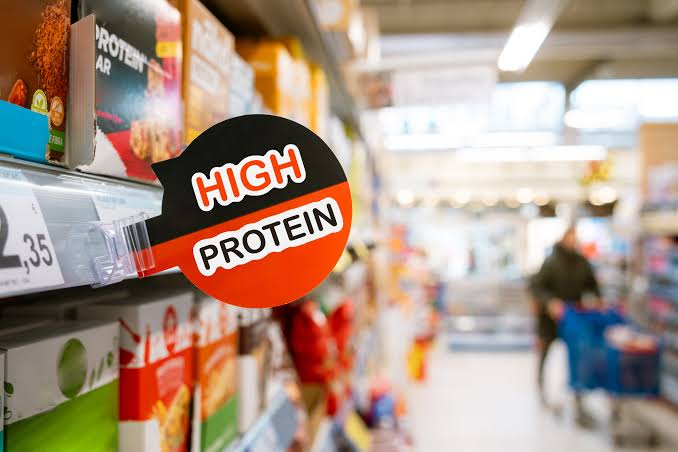
Protein is moving beyond the gym and into the everyday shopping basket. From crunchy snack bites and breakfast cereals to creamy drinks and plant based alternatives, food manufacturers are rethinking familiar products to meet consumers who want more protein without giving up taste, convenience, or affordability. As food scientists and international manufacturers gather around emerging ingredient technologies at SupplySide in October 2026, the industry is paying close attention to a major shift: protein is becoming a central consideration in the design of ordinary foods and beverages, not just specialist nutrition products.
The change reflects a broader challenge facing the global food industry. Consumers want products that fit busy routines and support their personal nutrition goals, while manufacturers must balance ingredient costs, flavor, texture, shelf stability, and clear labeling. The growing interest in plant based and hybrid protein formulations adds another layer of complexity. For companies that can solve these technical challenges, the opportunity is substantial. For shoppers, the outcome could be a wider range of convenient foods with more nutritional value, provided that product claims are supported by meaningful information.
Why Protein Is Becoming a Mainstream Food Ingredient
Protein has long been associated with muscle development and sports nutrition, but its appeal now reaches a much broader audience. Some consumers look for protein as part of a filling breakfast. Others want a convenient snack between work, school, travel, or family responsibilities. Older adults may pay attention to protein as part of maintaining strength, while people following vegetarian or plant based diets may look for additional sources beyond traditional animal products.
These needs are different, but they share one important feature: consumers increasingly expect everyday food to do more than satisfy hunger. A snack can be convenient and enjoyable while also contributing protein to a meal pattern. A ready to drink beverage can serve as a practical option for someone who has little time to prepare breakfast. The challenge for manufacturers is to meet these expectations without making products unpleasant, expensive, or unnecessarily complicated.
Protein enrichment is not as simple as adding a powder to an existing recipe. Ingredients can affect how a product mixes, heats, dries, and feels in the mouth. A biscuit may become hard or crumbly. A beverage may develop sediment or an unwanted aftertaste. A snack bar may lose its soft texture during storage. Each problem requires food scientists to consider the full formulation rather than treating protein content as an isolated number.
SupplySide Highlights the Science Behind the Shelf
SupplySide events bring together ingredient suppliers, food and beverage manufacturers, product developers, researchers, and other professionals working across nutrition and consumer products. Their discussions provide a view of the practical questions shaping food innovation: which ingredients can deliver the desired nutrition, how they behave in a finished product, and whether a formulation can be manufactured consistently at commercial scale.
The current interest in protein rich snacks and beverages places those questions at the center of product development. Manufacturers are exploring ingredients that can fit into familiar formats, including baked snacks, cereals, powdered drink mixes, dairy alternatives, and convenient beverages. The goal is not simply to create a product with a larger protein number on its packaging. It is to produce something consumers will actually enjoy enough to purchase repeatedly.
For food scientists, the work often involves careful testing. A formulation may perform well in a laboratory sample but behave differently when production expands to industrial equipment. Heat, acidity, moisture, mixing speed, and storage conditions can all influence the finished result. Companies must also consider allergen controls, ingredient sourcing, and the regulatory requirements that apply to their markets.
The significance of this activity extends beyond a single event. Ingredient exhibitions and industry meetings allow manufacturers to compare technical options, discuss supply challenges, and identify partners capable of helping them bring new products to market. The resulting innovation may eventually appear in grocery aisles, convenience stores, cafes, and online food retailers.
Plant Based Protein Moves Beyond Niche Products
Plant based protein is an important part of this shift. Ingredients derived from peas, soybeans, beans, grains, and other plant sources can help manufacturers develop products for consumers seeking alternatives to conventional animal based ingredients. Yet plant proteins vary considerably in their flavor, nutritional profile, solubility, and texture. Choosing the right source depends on the food being developed and the experience a manufacturer wants to deliver.
Pea protein, for example, may suit certain beverages and snack formulations, while soy protein has a long history of use in a variety of foods. Grain and pulse ingredients can contribute different functional properties, although they may need careful formulation to achieve a smooth texture or balanced taste. No single plant ingredient works equally well in every product.
Flavor remains one of the biggest barriers. Some plant proteins can bring earthy, grassy, bitter, or beany notes that become more noticeable when used at higher concentrations. Food developers may address these characteristics through ingredient selection, processing methods, complementary flavors, and careful balancing of sweetness and acidity. The aim is to make the source of protein fit naturally into the product rather than forcing consumers to tolerate a noticeable compromise.
Nutrition also requires a closer look than front of pack claims may suggest. Plant proteins differ in their essential amino acid profiles and digestibility. Blending different sources can help manufacturers achieve a desired nutritional profile, but the result depends on the specific ingredients and their proportions. Consumers who follow plant based diets can benefit from looking at the overall nutritional content of foods rather than relying on a single prominent claim.
Hybrid Formulations Offer Another Route to Innovation
Alongside fully plant based products, manufacturers are investigating hybrid formulations that combine protein from different sources. Depending on the product, this may mean blending plant proteins with dairy ingredients or combining multiple plant sources to achieve a more suitable balance of taste, texture, nutrition, and cost.
Hybrid approaches can give product developers greater flexibility. One ingredient may contribute creaminess, another may improve protein content, and a third may help create the structure needed for a baked or extruded snack. A carefully designed blend can also help address the flavor limitations of individual ingredients. However, the benefits are product specific, and a hybrid formulation is not automatically more nutritious, sustainable, or affordable than a simpler alternative.
These products may appeal to consumers who are interested in diversifying their diets but do not want to move entirely away from familiar ingredients. They may also help manufacturers adapt established products without rebuilding every part of the recipe. The challenge is to explain the formulation clearly and ensure that ingredient combinations deliver a genuine benefit rather than simply adding complexity.
Everyday Snacks and Beverages Are the Main Testing Ground
Snacks and drinks are particularly attractive categories for protein innovation because they fit naturally into short breaks and busy schedules. A handful of crunchy bites, a cereal serving, or a bottle of a ready to drink beverage can be easier to carry than a prepared meal. That convenience helps explain why manufacturers are looking for ways to incorporate protein into products people already understand.
Snacks that balance nutrition and enjoyment
Protein enriched bars, crisps, crackers, cookies, and bite sized snacks offer manufacturers different technical opportunities. Some products need a crisp texture, while others depend on softness or chewiness. Increasing protein can alter the way dough binds, moisture moves, and a product holds together. Developers must therefore test texture and flavor alongside the nutritional profile.
Consumers should also look beyond protein content when comparing snacks. Added sugars, sodium, saturated fat, portion size, and total calories can all affect how a product fits into an overall diet. A snack containing more protein is not automatically the healthier choice if other nutritional characteristics are less favorable.
Beverages that deliver convenience
Protein beverages present a different set of challenges. The ingredient must disperse properly, remain stable during storage, and produce a pleasant mouthfeel. Some formulations require processing techniques that help prevent separation or an unpleasant chalky sensation. Plant based beverages may need additional attention because proteins can respond differently to acidity and heat.
Powdered drinks, bottled beverages, smoothies, and dairy alternatives each require their own technical approach. Successful development depends on more than the amount of protein in a serving. Consumers also notice sweetness, aroma, thickness, packaging convenience, price, and whether the product remains enjoyable from the first sip to the last.
Cost, Supply Chains, and Sustainability Remain Important
Protein innovation must also work within the realities of global food production. Ingredient prices can fluctuate with harvest conditions, processing capacity, energy costs, transportation, and demand from competing industries. A formulation that works for a premium product may not be practical for a low cost snack intended for a large market.
Manufacturers need dependable suppliers and consistent ingredient specifications. Changes in protein concentration, moisture, or functional properties can affect production, so quality controls are essential. Companies may also seek more than one qualified source to reduce disruption risks, although switching suppliers can require fresh testing and adjustments to recipes.
Sustainability is another consideration, especially for brands exploring plant based ingredients. Environmental impacts vary by crop, farming practice, processing method, water use, energy source, and transport distance. Plant based does not automatically mean that every product has a lower impact across every environmental measure. Meaningful comparisons require evidence that reflects the specific ingredient and production system.
Companies making sustainability claims can consult resources from the Food and Agriculture Organization of the United Nations for broader information on food systems, agriculture, and resource use. Transparent sourcing and carefully supported claims are increasingly important as consumers seek to understand not only what is in their food but also how it is produced.
What Consumers Should Look for on Food Labels
As protein enriched products become more common, shoppers may encounter packaging that gives protein a prominent place. Clear labeling can help consumers compare products, but it is worth checking the full nutrition panel and ingredient list rather than relying on front of pack messaging alone.
- Check protein per serving. Compare similar products and pay attention to the stated serving size.
- Review the complete nutrition panel. Look at added sugars, sodium, saturated fat, fiber, and total calories.
- Identify the protein source. This can help people with dietary preferences, allergies, or other food restrictions.
- Consider the overall meal. Protein snacks and beverages can be convenient, but they do not necessarily replace the variety of nutrients found in balanced meals.
- Read claims carefully. Terms such as plant based and high protein describe different characteristics and should not be treated as guarantees of overall nutritional quality.
Individual needs vary with age, activity, health, and dietary pattern. Consumers with specific nutrition concerns can seek advice from a qualified health professional rather than assuming that a heavily promoted product is necessary for their goals.
The Next Phase of Food Innovation
The protein trend presents manufacturers with both opportunity and responsibility. Demand can encourage better tasting plant based ingredients, more convenient food formats, and a broader range of choices. It can also create pressure to make products appear healthier through a single headline nutrient while overlooking their wider nutritional value.
The strongest innovations will likely be those that solve practical problems for consumers. That means snacks that taste good, beverages that remain stable, ingredient lists that are easy to understand, and prices that make products accessible beyond a narrow premium market. It also means making claims that reflect what a product genuinely provides.
SupplySide’s focus on protein innovation reflects a food industry working to connect nutrition science with the realities of daily eating. As food scientists and manufacturers test new plant based and hybrid formulations, the next generation of products will be judged not only by protein content but by flavor, quality, affordability, convenience, and trust. For consumers, the most meaningful progress will come when improved nutrition fits naturally into familiar foods without requiring a compromise at the table.