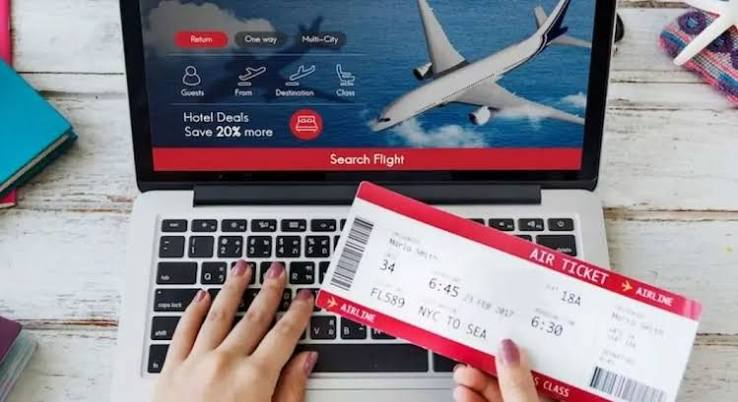
For music fans, the excitement of securing a ticket to a major concert can disappear in seconds. A sale opens, the queue begins to move, and a long awaited event appears within reach. Then the tickets vanish, only to reappear on resale platforms at several times their original price. Across major live entertainment markets, this familiar frustration is intensifying scrutiny of automated ticket buying, large bot networks, and the artificial intelligence tools that can make digital ticket sales harder to police. As of October 19, 2026, the wider debate centers on how regulators, ticketing companies, event organizers, and technology providers can protect fair access without making legitimate purchases more difficult.
The issue reaches beyond a disappointing shopping experience. High demand for concerts, festivals, and major cultural events creates opportunities for organized resellers to exploit weaknesses in online sales systems. Automated programs can submit requests at high speed, while networks of accounts, devices, and payment methods can make suspicious activity more difficult to identify. Artificial intelligence may help ticketing platforms detect these patterns, but increasingly capable automation can also complicate enforcement. The challenge is to ensure that technology serves audiences rather than allowing a small number of operators to gain an unfair advantage.
Why Ticket Bots Have Become a Global Concern
Ticket bots are automated programs designed to carry out purchasing tasks faster or at a scale that ordinary customers cannot easily match. Some may repeatedly access ticketing websites, attempt to bypass purchase limits, or coordinate activity across many accounts. When successful, these operations can acquire substantial numbers of tickets during the first sale, leaving fewer seats available to people who intend to attend the event themselves.
The resale market is not inherently abusive. Fans sometimes need to sell tickets because plans change, and legitimate resale services can help them find another buyer. The central concern is the organized acquisition of tickets through deceptive or prohibited methods, followed by resale at inflated prices. In these circumstances, customers can face a double disadvantage: fewer opportunities to purchase at the advertised price and greater uncertainty about whether a resale ticket is valid.
For families, students, and fans working within tight budgets, even a modest increase in ticket prices can determine whether attending an event is possible. The consequences are particularly visible when an artist or festival has a large following but only a limited number of seats or entry passes. A sale that lasts just minutes can leave customers feeling that the outcome was decided before they had a fair opportunity to participate.
How Artificial Intelligence Changes the Fight
Artificial intelligence is becoming an important part of the effort to distinguish legitimate customers from automated activity. Ticketing systems can use statistical analysis and machine learning to identify unusual purchasing patterns, repeated requests, suspicious account behavior, and activity that differs sharply from normal customer traffic. These tools can help security teams respond more quickly than manual review alone.
For example, a platform might examine whether a group of accounts is making unusually frequent requests, whether multiple transactions share suspicious characteristics, or whether purchasing behavior appears coordinated. A risk assessment system can then ask for additional verification, slow certain requests, or send activity for human review. Properly designed controls can make it more difficult for large automated operations to exploit a popular sale.
However, these systems are not infallible. A genuine fan using a shared household network, a mobile connection, or an unfamiliar device may trigger a false alert. Customers with disabilities may also depend on assistive technologies or require additional time to complete a purchase. If security measures are too aggressive, people who have done nothing wrong may be blocked from buying tickets.
There is another complication. The same broad advances in automation that help security teams analyze suspicious behavior may give bad actors new ways to vary their activity, imitate normal customers, or coordinate operations across different services. The result is an ongoing contest between detection and evasion, rather than a single technical fix that permanently eliminates ticket fraud.
Regulators Turn Their Attention to Organized Resale
Legal and regulatory scrutiny of ticket bots has grown as governments respond to complaints about limited availability, excessive resale prices, and the influence of large scale automated purchasing. The details differ by jurisdiction, but common policy goals include prohibiting certain forms of automated ticket acquisition, enforcing stated purchase limits, improving transparency in resale markets, and giving authorities stronger ways to investigate suspected violations.
In the United States, the Better Online Ticket Sales Act, commonly known as the BOTS Act, addresses the circumvention of security measures and purchase limits used by ticket issuers. The Federal Trade Commission provides information about consumer protection and enforcement, including matters involving ticket sales and unfair commercial practices. The law does not make every form of automation illegal, but it gives authorities a framework for addressing specified conduct involving ticket buying restrictions.
Enforcement can become more complicated when a suspected operation uses multiple companies, online accounts, payment channels, or resale marketplaces. Investigators may need to establish who controlled the automation, how tickets were obtained, and whether particular actions violated applicable law. Cross border activity can add further difficulties when the buyers, sellers, platform operators, and event organizers are located in different countries.
Regulatory attention alone does not establish that every reported bot ring has been proven to have broken the law. Allegations, investigations, civil claims, settlements, and court judgments represent different stages of a legal process. Responsible reporting must distinguish between them, especially when discussing specific companies or individuals. The broader trend is clear enough to warrant scrutiny, but the facts of each case must be assessed on their own evidence.
Why Ticketing Companies Face Pressure to Act
Ticketing platforms occupy a central position in the dispute because they control the systems through which most primary sales take place. They determine how customers enter queues, how purchase limits are enforced, what information is collected, and how suspicious activity is reviewed. Although no platform can guarantee that every ticket sale will be free of abuse, customers reasonably expect basic protections against automated purchasing and misleading resale practices.
One widely discussed measure is the use of virtual queues. These systems can organize demand when thousands of customers attempt to buy tickets at once, but a queue does not automatically guarantee fairness. If automated operators can create numerous accounts or manipulate entry systems, they may still gain an advantage. Platforms need to assess how customers enter queues, how identities are verified, and whether purchase limits apply consistently across accounts.
Other measures include stronger transaction monitoring, limits on the number of tickets available to each buyer, secure digital tickets, and procedures for reviewing suspicious orders. Some events may benefit from verified presales or registration systems, although these approaches can create their own barriers if customers must complete complicated steps or provide excessive personal information.
Transparency matters just as much as technical security. Fans should be told when sales open, how tickets are allocated, what fees apply, and which resale channels are authorized. When orders are cancelled because of suspected bot activity, ticketing companies should explain the process as clearly as possible while avoiding disclosures that would help offenders evade detection. Trust is easier to maintain when customers can understand the rules and see that they apply fairly.
The Consumer Protection Challenge
Ticket availability and ticket affordability are related, but they are not identical problems. Eliminating bots may give more genuine customers a chance to buy at the original price, yet it will not necessarily prevent high demand from exceeding supply. Popular events can sell out quickly even when every customer follows the rules. Resale prices may also rise because of scarcity, demand, or pricing practices that are separate from automated purchasing.
That distinction matters when evaluating proposed reforms. Stronger bot detection may reduce one source of unfair competition, while clearer resale rules and better price disclosure can address other consumer concerns. Authorities may also examine whether buyers see the full price before committing to a purchase and whether resale listings clearly explain the ticket’s restrictions and validity.
Consumers can reduce some risks by purchasing through an event’s official website or an authorized seller, checking the terms of resale platforms, and avoiding offers that demand unusual payment methods. They should be cautious about screenshots presented as proof of ownership, since a screenshot may not establish that a ticket is valid or transferable. These precautions cannot solve systemic problems, but they can reduce the chance of paying for an unusable ticket.
Finding the Right Balance Between Security and Access
The strongest response to ticket bots will require cooperation among regulators, event promoters, ticketing providers, payment companies, and resale platforms. Each sees a different part of the transaction, and useful evidence may be spread across several systems. Clear reporting channels and lawful information sharing can help identify organized activity, provided that privacy protections and appropriate oversight remain in place.
Regulators can clarify which automated practices are prohibited, establish meaningful consequences for violations, and require businesses to maintain adequate controls. Ticketing companies can test their systems before high demand sales, monitor unusual patterns, and provide accessible ways for customers to challenge mistaken decisions. Event organizers can publish clear ticket policies and consider whether official resale options would give fans a safer alternative when plans change.
Independent evaluation should also form part of the response. Companies and public authorities can measure the rate of suspicious transactions, the number of confirmed fraudulent purchases, the frequency of incorrect account blocks, and the time customers spend resolving disputes. Publishing appropriate aggregate results would help show whether new measures are improving access or merely shifting the burden onto legitimate buyers.
What the Future of Live Event Ticketing Could Look Like
Artificial intelligence will likely remain part of the ticketing security toolkit, but it should not become a substitute for sound rules or accountable decision making. A detection model can identify patterns that deserve investigation, yet human oversight remains important when decisions affect access to valuable tickets or involve disputed transactions. Customers also need meaningful ways to appeal a decision when a system mistakenly identifies their behavior as suspicious.
There is no single technology that can guarantee a perfectly fair ticket sale. The more durable approach combines carefully designed automated checks, transparent purchasing rules, accessible customer support, effective legal enforcement, and responsible resale practices. It also recognizes that legitimate fans should not have to surrender unnecessary personal information or navigate an unreasonable series of verification steps simply to attend a concert.
For artists and festival organizers, the stakes include more than the immediate sale. Fans who believe a process is unfair may lose confidence in the event, the promoter, or the platform responsible for the transaction. For the wider entertainment industry, fair access supports a healthier relationship between performers and audiences, preserving the sense of shared excitement that makes live events valuable in the first place.
The central question is not whether technology should be used to secure ticket sales, but how it should be used and who remains accountable when it fails. As global scrutiny of automated ticket buying intensifies, meaningful progress will depend on enforcement that targets abusive operations without punishing ordinary customers. A fairer system would not promise every fan a ticket to every sold out show. It would give people a genuine opportunity to buy at the stated price, make resale safer, and ensure that speed and automation do not determine who gets to be part of the crowd.