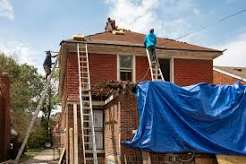
More than one million homes across Canada reportedly require major repairs, raising concerns about the condition of the country’s existing housing stock and the financial pressure facing households already struggling with housing costs. The figures, attributed in the supplied news summary to the Canada Mortgage and Housing Corporation, point to a challenge that extends beyond the construction of new homes: keeping the homes Canadians already live in safe, functional, and suitable for long term use. From aging roofs and deteriorating foundations to plumbing problems and outdated electrical systems, serious repair needs can affect household budgets, neighborhood stability, and the overall supply of habitable housing. The precise figures, definitions, and publication details behind the reported finding still need to be verified against the original CMHC report, but the underlying issue deserves close attention.
Why Canada’s Existing Homes Deserve More Attention
Housing debates often focus on how many new homes a country needs and how quickly builders can deliver them. Those questions are essential, particularly in communities where rents and home prices have placed enormous pressure on families. Yet the condition of existing properties is another important part of the housing equation. A home may appear occupied and usable while concealing damage that becomes more serious with every season.
A leaking roof can gradually damage insulation, ceilings, and structural materials. Moisture entering a basement may encourage mold growth and weaken parts of a building. Aging wiring can create safety concerns, while failing plumbing can damage floors and walls. In colder regions, inadequate insulation and deteriorating windows may make homes expensive to heat and uncomfortable during winter. Some repairs can be postponed briefly without major consequences, but others become more costly or dangerous when left unresolved.
For residents, the consequences are often personal before they become visible in national statistics. A household may place buckets beneath a leak, avoid using a damaged room, or spend another winter dealing with drafts because the cost of professional repairs exceeds its available savings. These compromises can gradually affect comfort, health, and a family’s ability to plan for the future.
What Counts as a Major Home Repair?
The term major repairs can describe a range of problems, depending on the survey or housing assessment being used. It may include substantial work to a roof, foundation, exterior walls, heating system, plumbing, electrical installation, or other essential parts of a property. The exact definition matters because not every maintenance issue represents an immediate threat to safety, and different types of damage require different responses.
Cosmetic work, such as repainting a bedroom or replacing worn cabinet handles, generally differs from repairing a failing foundation or replacing unsafe wiring. Major repairs often involve components that protect a building from weather, keep essential services operating, or preserve the stability of its structure. The urgency depends on the severity of the damage, the likelihood of further deterioration, and the risks to residents.
Without the original report’s technical definition, the reported figure of more than one million homes should not be interpreted as meaning that every property is unsafe or uninhabitable. It signals a potentially significant maintenance burden, but the degree of urgency will vary from one home to another. Clear definitions are necessary for comparing housing data over time and deciding where public assistance may be most effective.
Why Homeowners May Delay Essential Repairs
For many households, the difficulty is not recognizing a problem but finding the money to address it. Housing expenses can consume a large share of monthly income, leaving little room for an unexpected repair bill. A homeowner facing a damaged roof or a failing furnace may have to choose between borrowing money, using savings intended for another purpose, or postponing the work.
Higher costs for materials, skilled labor, equipment, and insurance can make substantial repairs difficult to budget for. Older homes may present additional challenges because a contractor cannot always identify the full extent of the damage until work begins. Replacing a small section of damaged material, for example, may reveal hidden moisture or structural deterioration that increases the final bill.
These pressures can be especially difficult for older residents living on fixed incomes, people with disabilities, low income families, and owners in rural communities where qualified contractors may be harder to find. Even households that own their homes outright can face financial insecurity when essential maintenance arrives alongside medical expenses, utility bills, or other unavoidable costs.
Renters can experience similar problems but often have less direct control over the condition of their homes. They may report leaks, heating failures, or mold concerns to a landlord and still wait for a lasting solution. The quality of a rental property therefore depends not only on the tenant’s ability to recognize a problem, but also on the owner’s willingness and financial capacity to maintain the building.
How Aging Housing Can Affect Canada’s Supply of Homes
Canada’s housing supply is not determined solely by the number of homes built each year. Existing properties must also remain safe and usable. When buildings deteriorate, they may require extensive rehabilitation, become unsuitable for some households, or eventually leave the available housing stock. This can place additional pressure on communities that already have limited affordable accommodation.
Major repairs can also affect the cost of renting and owning a home. Property owners who face large maintenance bills may seek higher rental income where the market and applicable law permit it. In other cases, owners may delay improvements, sell their properties, or struggle to keep buildings in good condition. The effects differ by location and property type, but deferred maintenance can create costs that extend beyond a single household.
At the same time, repair work can help preserve housing that already exists. A sound roof, a reliable heating system, safe electrical wiring, and a stable foundation allow homes to serve residents for longer. In many cases, rehabilitation may be more practical than allowing a property to deteriorate until extensive reconstruction becomes necessary.
Housing policy therefore needs to consider both new construction and the preservation of existing homes. Increasing the number of units is important, but maintaining the current stock can also help protect housing availability and reduce the waste of materials and resources associated with premature building replacement.
Why Canada’s Climate Makes Maintenance Important
Canada’s varied climate places different demands on residential buildings. In regions with severe winters, roofs, exterior walls, windows, insulation, and heating systems must withstand prolonged cold and repeated temperature changes. In areas with heavy rainfall or flooding, drainage systems and foundations need to keep water away from living spaces. Coastal communities may face additional exposure to wind, moisture, and salt air.
When protective systems fail, damage can spread. Water entering through a roof or foundation may remain hidden behind walls and insulation. Repeated freezing and thawing can worsen certain forms of exterior damage, while poor ventilation can contribute to persistent moisture inside a home. A problem that begins as a relatively limited repair can become more expensive if it is not identified promptly.
Regular inspections and timely maintenance can help homeowners identify early warning signs. Residents should pay attention to persistent leaks, unusual foundation cracks, recurring electrical problems, inadequate heating, and visible mold. These signs do not always indicate a serious structural failure, but they warrant assessment by an appropriately qualified professional. Immediate safety concerns, such as exposed electrical components or signs of a potentially failing structure, should be treated with particular urgency.
What Homeowners Can Do Before Problems Become More Expensive
Households do not need to undertake every improvement at once. A practical first step is to separate urgent safety problems from repairs that can be scheduled over time. Work affecting structural stability, fire safety, essential plumbing, or reliable heating generally deserves prompt attention. Cosmetic improvements can often wait until more serious needs have been addressed.
Homeowners can begin by documenting visible problems, taking photographs where appropriate, and keeping records of leaks, equipment failures, and previous repairs. Obtaining written estimates from qualified contractors can help clarify the scope of work and make it easier to compare costs. For larger projects, owners should ask what the estimate includes, whether permits are required, and how unexpected damage will be handled.
It is also wise to plan for maintenance before a failure occurs. Setting aside even a modest amount when possible can reduce the financial shock of future work, although saving alone may not be realistic for households facing severe affordability pressures. Owners should investigate local assistance programs, financing options, and insurance coverage rather than assuming every expense must be paid entirely from personal savings.
Where Government and Housing Organizations Could Help
If the reported scale of repair needs is confirmed, the challenge would call for a coordinated response involving federal, provincial, territorial, and municipal authorities, alongside housing providers and community organizations. Different homes face different problems, so a useful strategy would begin with reliable information about building conditions, repair urgency, household income, and local contractor capacity.
Financial assistance could help eligible homeowners complete critical repairs that they would otherwise postpone. Depending on the program, support might take the form of grants, affordable loans, targeted rehabilitation funding, or technical advice. Assistance for accessibility improvements can also help older residents and people with disabilities remain safely in their homes rather than moving because their properties no longer meet their needs.
Public funding should be designed carefully. Programs need clear eligibility requirements, transparent oversight, and safeguards against inflated costs or poor workmanship. They should also account for people who rent, live in rural areas, or face barriers to navigating complex application procedures. Assistance is most effective when households can understand the requirements and access qualified contractors without unnecessary delays.
The Canada Mortgage and Housing Corporation provides housing research, market information, and resources relevant to housing conditions and affordability. Its published reports and data can help policymakers and the public distinguish confirmed national findings from estimates that require additional context.
Why Better Housing Data Matters
A national figure can attract attention, but policymakers need more detail to determine where resources should go. The number of homes requiring repairs is only one measure. Decision makers also need to know which building components are failing, how severe the damage is, how many residents are affected, and whether the problems are concentrated in particular regions or housing types.
Consistent definitions are essential. If one assessment counts relatively extensive maintenance while another counts only serious structural deficiencies, the totals cannot be compared directly. Reliable data should explain how homes were assessed, when the information was collected, and what level of repair qualifies a property for inclusion.
Better information can support more effective funding decisions and help governments evaluate whether programs are working. If a repair initiative reduces the number of homes with urgent deficiencies, subsequent assessments should be able to demonstrate that progress. Without consistent measurement, governments risk spending money without a clear picture of which interventions produce lasting improvements.
Keeping Existing Homes Safe Is Part of the Housing Solution
The reported finding that more than one million Canadian homes need major repairs highlights an issue that can be overshadowed by discussions about new housing construction. Homes are long term assets, but they require maintenance to remain safe, comfortable, and useful. When repair needs accumulate faster than households can address them, the consequences can spread through families, rental markets, and entire communities.
The next step is to establish the exact scale of the problem through the original CMHC publication and to understand how the agency defines major repairs. Verified figures, transparent assessment methods, and clear information about regional needs would give governments and housing organizations a stronger basis for action.
For households, the priority is to address immediate safety risks, seek professional advice when serious damage appears, and investigate available financial support. For policymakers, the task is broader: make critical repairs more accessible, improve housing data, and ensure that existing homes receive attention alongside efforts to build new ones.
A healthy housing system is measured not only by how many homes are constructed, but also by whether people can continue living in the homes already standing. Preserving those properties can protect household security, reduce avoidable deterioration, and help ensure that Canada’s housing supply remains safe and usable for the people who depend on it.