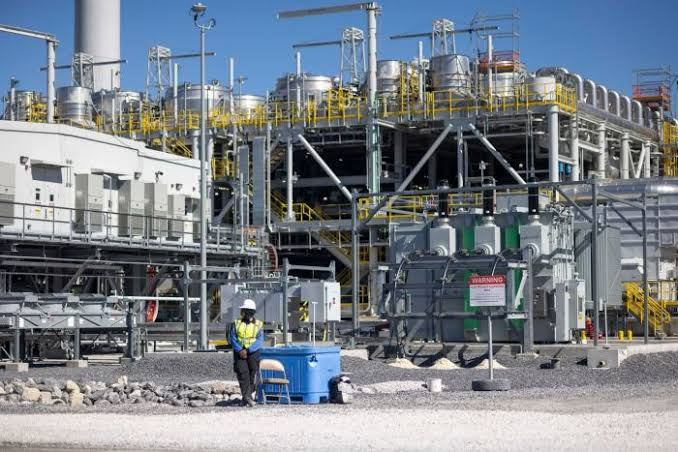
Commercial real estate investors are facing a growing question: how much capital should be spent making existing buildings more energy efficient, and how quickly must that work happen? As environmental, social and governance expectations influence investment decisions, real estate investment trusts are reportedly directing more resources toward retrofitting offices, retail centers, warehouses and other commercial properties. The shift reflects a broader reassessment of building performance, operating expenses and long term asset value. However, the scale of the reported investment movement and the specific international requirements behind it have not been detailed in the available news summary, making it important to distinguish the reported trend from independently verified market figures.
Why Green Building Upgrades Are Becoming an Investment Priority
Commercial buildings consume energy every day, often through systems that occupants rarely notice. Heating and cooling equipment runs through changing seasons, lights illuminate offices after sunset, elevators carry workers between floors, and ventilation systems operate to keep indoor spaces comfortable. When these systems are outdated or poorly controlled, energy waste can accumulate into substantial operating expenses.
For institutional investors, those costs can affect the financial performance of a property. A building that uses excessive electricity or gas may become more expensive to operate, potentially reducing the income available to its owner. If local regulations introduce stricter energy performance requirements, owners may also face additional spending to bring older properties into compliance.
Retrofitting offers a way to address these pressures without necessarily demolishing a building and starting again. Improvements can include modern heating and cooling equipment, better insulation, efficient lighting, improved building controls and systems that monitor energy use. Depending on the property’s condition and location, owners may also consider rooftop solar installations, heat recovery equipment or upgrades to windows and ventilation.
We should view these investments as more than an environmental gesture. For property owners, the central question is whether the cost of upgrading a building can be justified by lower operating expenses, reduced regulatory exposure, improved tenant appeal and stronger long term financial performance.
What the Reported REIT Investment Shift Means
Real estate investment trusts, commonly known as REITs, own or finance income producing real estate. Their portfolios may include office towers, shopping centers, industrial facilities, apartments, hotels and specialized properties. Many REITs raise capital from investors and distribute a substantial portion of their taxable income, making property level costs and rental income important parts of their financial strategy.
A decision to invest more heavily in energy retrofits can therefore affect several parts of a REIT’s business. Owners must determine which properties need immediate work, which improvements offer a reasonable financial return, and whether construction can proceed without disrupting tenants. They must also decide how to fund the projects while meeting existing obligations to shareholders and lenders.
The reported shift toward greener commercial property suggests that some institutional investors are treating building efficiency as a central asset management concern rather than a minor facilities expense. Still, the available summary does not identify individual REITs, investment amounts, countries or portfolio targets. It would be premature to describe the movement as a universal industry decision or to attach a precise dollar value to it.
The underlying investment logic is clear even without those missing figures. If energy costs rise, building standards become more demanding or tenants increasingly favor efficient properties, an owner that delays necessary upgrades could face higher costs later. Investors may consequently prefer to plan improvements over several years rather than wait until a property requires urgent intervention.
How Energy Compliance Rules Can Influence Property Values
Environmental regulations vary significantly between countries and jurisdictions. Some authorities establish minimum building energy standards, while others require energy performance certificates, emissions disclosures, efficiency improvements or compliance with specific construction and renovation codes. The exact requirements, deadlines and enforcement mechanisms differ, so there is no single international rule that automatically applies to every commercial property.
Nevertheless, overlapping regulatory developments can create a common challenge for global property owners. A REIT with buildings in several markets may need to manage different reporting systems, technical standards and upgrade schedules. A property that meets requirements in one city may still need substantial work to comply with rules elsewhere.
Investors can use resources such as the International Energy Agency’s research on buildings and energy efficiency to understand why building performance has become an important part of energy policy. That broader context helps explain the commercial incentive to reduce energy demand, although it does not independently confirm the specific capital shift described in the October 27 report.
The risk of delayed upgrades
When owners postpone improvements, the immediate benefit may be preserved cash. The tradeoff is that an older property can become more expensive to operate and harder to position competitively if standards or tenant expectations change. Depending on local rules, a building that fails to meet required energy performance levels could also face restrictions, additional compliance costs or reduced leasing flexibility.
These risks are not identical across all markets. An older office tower in a city with strict building performance rules faces a different set of pressures from a warehouse in a region with less demanding requirements. Investors must examine local regulations and the physical condition of each asset before deciding how quickly to proceed.
Which Retrofits Offer the Greatest Potential Benefits?
There is no single upgrade package that suits every commercial building. The most effective approach usually begins with a detailed energy assessment, which identifies where a property consumes energy and which changes are likely to produce meaningful savings. Building age, climate, occupancy, equipment condition and available financing all influence the final decision.
Heating, cooling and ventilation
Heating, ventilation and air conditioning systems can represent a major share of energy use in offices, hotels, retail properties and other occupied buildings. Replacing inefficient equipment, improving controls and maintaining systems properly can reduce wasted energy while helping maintain comfortable indoor conditions. In suitable buildings, heat pumps may provide an alternative to older heating systems, although the economics depend on climate, electricity prices and the existing equipment.
Lighting and building controls
Replacing older lighting with efficient fixtures can reduce electricity demand and lower the heat generated indoors. Occupancy sensors, daylight controls and automated schedules can help ensure that lighting and equipment are not running unnecessarily. Smart building management systems can also help facility teams identify unusual consumption patterns before they become persistent problems.
Insulation, windows and renewable energy
Better insulation and improved windows can reduce heating and cooling demands, particularly in buildings with significant air leakage or outdated glazing. Rooftop solar panels may provide another source of electricity where roof conditions, local rules and project economics support installation. These options require careful engineering because a building’s structure, fire safety requirements, roof condition and existing electrical systems can limit what is practical.
The most responsible investment plans compare the expected savings with upfront costs, maintenance needs and the remaining useful life of the property. A costly upgrade is not automatically a sound investment simply because it improves an environmental metric. The project must also make sense for the building and its occupants.
Tenants and Workers Have a Stake in the Transition
The consequences of commercial building upgrades extend beyond investment portfolios. Tenants may benefit from more stable indoor temperatures, improved ventilation and better lighting. Businesses operating from warehouses, shops or offices may also value predictable utility costs, particularly when energy represents a meaningful part of their operating budget.
Yet renovation work can create real difficulties. Equipment replacement, construction noise, temporary access restrictions and interruptions to building services can affect workers and customers. Property managers need to communicate schedules clearly and coordinate work to limit disruption. Where possible, upgrades can be phased so that entire floors or operational areas do not have to close at once.
Cost allocation also matters. Depending on lease terms and local law, landlords may pay for capital improvements while tenants receive some of the benefits through lower utility bills. In other arrangements, operating costs may be passed through to tenants. Transparent agreements can help prevent disagreements over who pays for improvements and who receives the savings.
Financing the Cost of Greener Commercial Buildings
Energy retrofits can require significant upfront capital, particularly in older properties that need extensive mechanical, electrical or structural work. REITs must weigh those costs against other priorities, including debt payments, acquisitions, property maintenance and distributions to investors.
Some owners may fund upgrades through existing cash reserves or conventional borrowing. Others may explore sustainability linked financing or green lending arrangements, subject to lender requirements and the quality of their performance data. Such financing does not make a project automatically profitable, and its terms can vary with market conditions, borrower creditworthiness and the credibility of the proposed improvements.
A strong business case should establish a baseline for energy use, estimate the cost of proposed work, set realistic savings expectations and identify how results will be measured. Owners should also account for equipment replacement cycles, energy price uncertainty and the possibility that projected savings may not be achieved. Independent engineering assessments can help test assumptions before major capital is committed.
How Investors Can Evaluate Green Real Estate Claims
Environmental commitments are most useful when investors can measure actual progress. A company announcement that promises greener buildings is not the same as evidence that energy use or emissions have declined. Shareholders and analysts should look for clear reporting that connects investment plans with measurable property performance.
The Global Reporting Initiative’s sustainability reporting standards provide a widely recognized framework for reporting environmental and other sustainability impacts. Such frameworks can support more consistent disclosure, although investors still need to examine the scope, methodology and independent verification of individual company claims.
When assessing a REIT’s retrofit strategy, investors can look for several practical indicators:
- Energy consumption before and after upgrades, adjusted where appropriate for weather and occupancy.
- The percentage of the portfolio covered by reliable energy performance data.
- Capital spending plans, project timelines and expected operating savings.
- Progress against applicable local building standards and disclosure requirements.
- Tenant retention, leasing performance and maintenance costs after improvements.
No single measure tells the whole story. A building can improve its energy efficiency while still consuming substantial energy because it is large or heavily occupied. Likewise, lower energy bills may reflect changes in occupancy or weather rather than the retrofit alone. Consistent methods and clear explanations help investors distinguish genuine progress from changes in circumstances.
What Comes Next for Commercial Real Estate Investors?
The reported move toward green commercial real estate points to a strategic challenge facing property owners: maintaining the usefulness and competitiveness of existing buildings as energy expectations change. The transition is unlikely to proceed at the same pace everywhere. Financing conditions, construction capacity, local regulation, tenant demand and the age of property portfolios will influence the choices individual investors make.
For some buildings, modest improvements to lighting and controls may deliver worthwhile results. Others may require extensive mechanical upgrades, envelope improvements or a broader renovation plan. Some properties may be difficult to retrofit economically, forcing owners to consider alternative uses, major redevelopment or eventual sale.
Investors should avoid treating environmental compliance as a box to check once. Building systems need ongoing maintenance, performance data must remain reliable, and regulatory requirements can change. A successful strategy combines early planning with practical assessments of each property’s financial and physical condition.
The Bottom Line
Institutional investors’ reported interest in energy efficient commercial property reflects a growing connection between environmental performance and real estate economics. Retrofitting can help reduce energy waste, manage compliance exposure and support better building operations, but the benefits depend on the quality of the work, the cost of financing and the conditions in each market.
Because the available report does not name the REITs involved or specify the mandates, investment totals and implementation dates, the scale of the claimed shift remains unconfirmed. What property owners can do now is clearer: understand the rules that apply to their buildings, measure current energy performance, prioritize upgrades with credible financial and environmental benefits, and report outcomes transparently. The long term value of greener commercial real estate will depend not only on how much money investors commit, but on whether those investments produce measurable improvements for buildings, tenants and the communities around them.