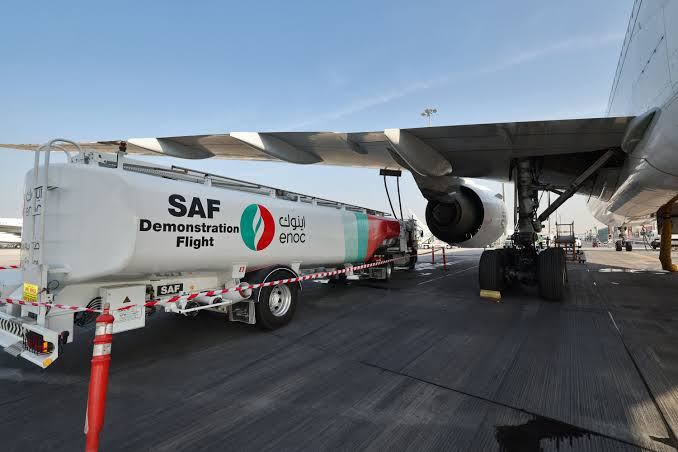
Airlines are facing mounting pressure to reduce the environmental impact of air travel, and sustainable aviation fuel is emerging as one of the industry’s most closely watched options. A reported announcement dated October 27, 2026, indicates that major international airlines have pledged greater capital commitments toward integrating sustainable aviation fuel, commonly known as SAF, into their operations. The reported move reflects a broader effort to lower aviation emissions while maintaining the speed, range and reliability that passengers and businesses expect. However, the available summary does not identify the airlines involved, specify the amounts pledged or name the mandates driving the commitments. Those details remain unconfirmed, even as the wider shift toward lower emission aviation fuels continues to attract attention.
Why Sustainable Aviation Fuel Matters to Airlines
Air travel connects families, supports international trade and enables businesses to operate across continents. Yet aircraft require substantial energy, and conventional jet fuel releases carbon dioxide when burned. Aviation also produces other climate related effects, making the industry’s environmental footprint more complex than fuel consumption alone.
Reducing those emissions presents a difficult engineering and economic challenge. Aircraft must carry enough energy to complete long journeys safely, often across oceans or through regions where alternative energy infrastructure is limited. Batteries remain challenging for large commercial aircraft because of their weight and energy storage limitations, particularly on long distance routes. Hydrogen powered aviation also faces substantial infrastructure, aircraft design and fuel storage challenges.
Sustainable aviation fuel offers a potential route to reducing emissions without requiring an immediate replacement of the existing global aircraft fleet. Many SAF pathways can produce fuel with properties suitable for use in existing aircraft engines when the fuel meets applicable technical specifications and is blended within approved limits. This compatibility makes SAF attractive to airlines seeking to reduce the carbon intensity of flights while continuing to use much of their current infrastructure.
However, sustainable aviation fuel is not automatically carbon neutral. Its overall climate benefit depends on how it is produced, the materials used, the energy consumed during manufacturing and the effects of obtaining its feedstocks. A fuel made from certain waste materials may have a different lifecycle emissions profile from one produced using energy intensive processes or resources that compete with food production.
What the Reported Airline Investment Commitments Could Mean
Developing a reliable SAF market requires more than airlines expressing interest in cleaner fuel. Producers need confidence that buyers will purchase their output, while airlines need confidence that sufficient quantities will be available at commercially workable prices. Long term purchase agreements and capital investments can help address this uncertainty by giving producers a clearer picture of future demand.
The reported commitments could indicate that airlines are seeking to secure future fuel supplies, support new production facilities or establish partnerships with energy companies and technology developers. Depending on their structure, investments might support the construction of production plants, the development of supply infrastructure or agreements to purchase fuel over several years.
These arrangements can matter because SAF is generally more expensive than conventional jet fuel, although the price difference varies with production method, location, feedstock and market conditions. Airlines operate in a competitive industry where fuel costs can strongly influence profitability. A substantial increase in fuel expenses can place pressure on ticket prices, operating margins and route planning.
We should therefore distinguish between a headline investment pledge and a completed project. A pledge may represent an intention to spend money in the future, a conditional purchase agreement or an investment subject to regulatory approval and financing. To evaluate the reported development properly, investors and passengers need confirmed figures, implementation schedules and evidence of actual fuel deliveries.
How Sustainable Aviation Fuel Is Produced
Sustainable aviation fuel is a broad category rather than a single product. Different production pathways use different raw materials and technologies, each with its own costs, technical requirements and environmental consequences.
Waste oils and fats
Some SAF pathways use waste cooking oil, animal fats and other eligible residual materials. These resources can be processed into fuel components that may be suitable for aviation after appropriate refining and testing. Using genuine waste materials can reduce demand for newly produced fossil resources, although supplies are limited and competition from other industries can affect availability and prices.
Traceability is essential. If a material described as waste is diverted from an existing productive use or its supply chain creates indirect environmental damage, the claimed climate benefit may be smaller than expected. Certification and lifecycle assessments help establish whether a particular fuel pathway meets the relevant sustainability criteria.
Agricultural residues and other biomass
Some production methods use agricultural residues, forestry byproducts or other forms of biomass. These materials may provide additional sources of fuel when collected and processed responsibly. Their suitability depends on local conditions, including competing uses, transportation distances, soil health and the need to retain certain residues to protect agricultural land.
Large scale deployment also requires dependable collection networks and processing facilities. A technically successful production method cannot supply airlines consistently if the necessary feedstocks are scattered across distant locations or become unavailable during certain seasons.
Synthetic aviation fuel
Synthetic fuels can be produced using hydrogen and a source of carbon. When the hydrogen is produced with low emission electricity and the carbon comes from a suitable source, these fuels may offer significant lifecycle emissions reductions compared with conventional jet fuel. However, production can require substantial amounts of electricity, specialized equipment and investment.
The environmental performance of synthetic aviation fuel depends heavily on the electricity supply, the origin of the carbon and the efficiency of the production process. If fossil fuel energy supplies much of the manufacturing process, the resulting climate benefit may be limited.
Global Aviation Climate Targets Are Driving Industry Planning
Airlines are making SAF decisions against a background of international aviation climate initiatives and differing national or regional policies. Governments and aviation organizations are pursuing a range of approaches, including fuel standards, emissions monitoring, efficiency improvements and incentives for lower emission technologies.
The International Civil Aviation Organization has established a global framework for addressing international aviation emissions. Its environmental protection program provides information on aviation climate policy, emissions reduction efforts and sustainable aviation fuel initiatives.
International aviation targets do not necessarily create an identical legal requirement for every airline. The obligations that apply to an individual carrier depend on the relevant program, jurisdiction, route and implementation schedule. Some measures establish collective goals, while others impose specific obligations on operators or fuel suppliers within a defined market.
This distinction matters when interpreting claims about upcoming zero carbon mandates. The available announcement summary does not identify a particular mandate or establish that all international airlines face the same deadline. It would therefore be inaccurate to conclude that a single global rule requires every carrier to eliminate aviation emissions by a specified date.
Nevertheless, the direction of policy is influencing long term planning. Airlines must consider not only current fuel prices but also future reporting obligations, potential fuel requirements, carbon costs and the risk that conventional fuel dependent operations could become more expensive under changing regulations.
The Supply Challenge: Producing Enough Fuel at the Right Price
One of the largest obstacles to SAF adoption is the gap between potential demand and affordable, dependable supply. Airlines consume enormous quantities of fuel, and replacing even a portion of conventional jet fuel across the global industry requires production capacity on a scale that cannot be achieved through small demonstration projects alone.
Building new facilities requires financing, engineering expertise, reliable access to feedstocks and connections to fuel distribution networks. Projects may also face permitting delays, construction cost increases and uncertainty over future fuel prices. Investors must assess whether a plant can operate economically for years after it opens, not simply whether its technology works in a controlled environment.
Fuel distribution presents another challenge. Sustainable aviation fuel must reach airports where airlines can use it safely and efficiently. Depending on the location and production pathway, this may require new storage arrangements, transport contracts, quality controls and coordination among fuel suppliers, airport operators and airlines.
Long term purchase agreements can help producers secure financing by providing a more predictable source of revenue. Yet agreements alone do not guarantee that a facility will be completed or that the promised fuel will be delivered on time. Project milestones, production records and verified deliveries remain important indicators of progress.
Will Sustainable Aviation Fuel Make Flights More Expensive?
Passengers may eventually feel part of the financial effect of SAF adoption, although the impact will vary by airline, route and market. Fuel is a major operating expense, and a sustained increase in the price of aviation fuel can influence ticket pricing, baggage charges, route profitability and other commercial decisions.
However, it is too early to assume that every SAF commitment will lead directly to a specific increase in fares. The outcome depends on the volume of fuel purchased, the price difference between SAF and conventional fuel, available subsidies or incentives, contractual arrangements and the level of competition on a route.
Some airlines may absorb part of the additional cost, while others may incorporate it into ticket prices or introduce separately disclosed environmental charges where permitted. Businesses that rely on frequent international travel may also face higher transportation expenses if cleaner fuels become more expensive and widely used.
Transparent communication will be important. Passengers should be able to distinguish between a fee that directly supports a verified fuel purchase and a general environmental contribution whose relationship to actual emissions reductions may be less clear. Credible reporting can help customers judge whether a sustainability claim reflects measurable action.
How Airlines Can Avoid Greenwashing
As SAF attracts investment, airlines will need to substantiate claims about the environmental benefits of their fuel purchases. The term sustainable can cover very different production methods, and the percentage reduction in lifecycle emissions may vary considerably between pathways.
A responsible reporting strategy should explain how much SAF an airline has purchased, where the fuel came from, which sustainability criteria apply and how the reported emissions savings were calculated. Airlines should also distinguish fuel that has actually been delivered from fuel that is planned, contracted or expected to become available in the future.
Lifecycle analysis is particularly important because the emissions associated with growing, collecting, transporting and processing feedstocks can influence the final result. Land use changes, competition for agricultural resources and energy consumption during production may also affect the overall environmental assessment.
Independent certification and credible verification can strengthen confidence in these claims. Investors should examine whether reported progress is supported by documented fuel volumes and recognized accounting methods rather than relying entirely on promotional statements.
SAF Is Only One Part of Aviation Decarbonization
Sustainable aviation fuel may play a significant role in reducing aviation emissions, but it cannot address every environmental challenge facing the industry. Airlines and aircraft manufacturers are also working on operational efficiency, improved aircraft designs, better flight planning and technologies that may become practical for particular routes in the future.
Reducing unnecessary fuel consumption remains valuable because every unit of fuel saved can reduce operating costs and associated emissions. Measures such as more efficient ground operations, improved aircraft maintenance, optimized flight routes and reduced aircraft weight can contribute to performance improvements, although the results vary by operation.
Aircraft renewal can also help when newer models consume less fuel per passenger than the aircraft they replace. However, replacing fleets takes time and substantial capital, and the manufacturing of new aircraft also has environmental consequences. Airlines must balance operational needs, safety requirements, financial resources and long term climate objectives.
SAF should therefore be considered within a broader emissions strategy that includes measurable efficiency improvements and transparent accounting. No single technology or fuel choice removes the need to evaluate the aviation industry’s total climate impact.
What Investors and Passengers Should Watch Next
The reported airline commitments could signal a stronger willingness to support sustainable aviation fuel production, but the practical significance will become clearer as specific details emerge. Several indicators can help determine whether the industry is moving from broad pledges toward meaningful implementation.
- Confirmed investment amounts and the names of the participating airlines and fuel producers.
- Construction progress and expected opening dates for new SAF production facilities.
- Verified volumes of fuel produced, purchased and delivered to airports.
- Transparent lifecycle emissions calculations and credible sustainability certification.
- Clear information about the regulatory requirements and deadlines that apply to each market.
These measures provide a more reliable picture of progress than announcements alone. They also help distinguish projects that can deliver substantial fuel volumes from proposals that remain dependent on future funding, technology development or policy support.
The Road Ahead for Sustainable Aviation Fuel
The reported expansion of airline investment commitments reflects a growing recognition that aviation’s climate challenges require practical solutions that can operate at commercial scale. Sustainable aviation fuel offers a potential way to reduce lifecycle emissions while allowing much of the existing aircraft fleet and airport infrastructure to remain in service.
Real progress, however, will depend on more than airlines announcing ambitious targets. Producers need dependable financing, suitable feedstocks, efficient production technology and access to distribution networks. Airlines need fuel at prices they can manage, while passengers and investors need transparent evidence that environmental claims are supported by measurable results.
Because the available announcement does not identify the airlines, financial commitments or specific mandates involved, the reported October 27 development cannot yet be assessed as a confirmed industry wide agreement. Its significance will depend on the details that emerge and the extent to which announced commitments result in actual production and fuel use.
The larger challenge is clear. Aviation must reduce its environmental impact without losing the connectivity on which families, businesses and economies depend. Sustainable aviation fuel may become an important part of that effort, but its success will be measured by credible lifecycle emissions reductions, reliable supply and responsible investment rather than promises alone.