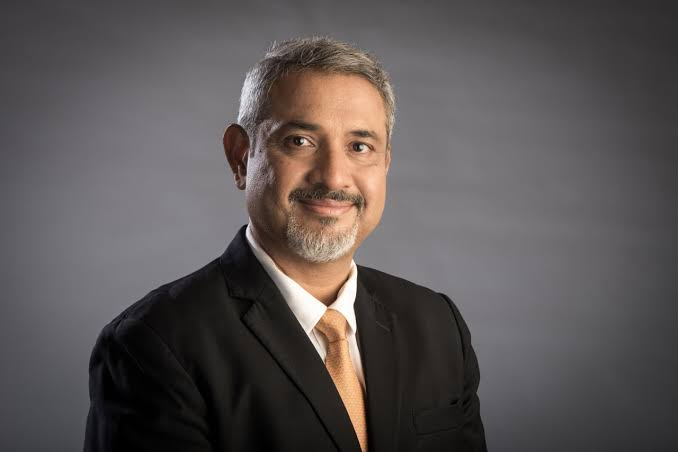
Lenovo’s reported appointment of Amar Babu as the new President of Motorola Mobility would mark a significant change in leadership for one of the world’s best known smartphone businesses. The move, dated November 4, 2026, places a senior Lenovo executive with extensive regional and operational experience at the center of its global mobile devices operation. However, Lenovo’s publicly available leadership information still identifies Sergio Buniac as President of Motorola and Amar Babu as President of Lenovo Asia Pacific. The appointment therefore requires confirmation before it can be treated as an established corporate change.
Why the Reported Appointment Matters
Motorola occupies a distinctive position in the mobile phone industry. Its history stretches from the early development of mobile communications to the modern smartphone market, where it competes through devices across several price ranges. Today, the brand operates as part of Lenovo’s wider technology business, giving it access to global manufacturing, research, distribution and marketing resources.
A change at the top of Motorola Mobility could affect how Lenovo coordinates those resources and sets priorities for its smartphone business. The president’s responsibilities are closely connected to product strategy, engineering, sales, supply chains and the brand’s position in international markets. Any confirmed leadership transition would therefore be relevant not only to employees and business partners, but also to consumers watching the direction of future Motorola devices.
Who Is Amar Babu?
Amar Babu brings a substantial background in technology, business operations and regional leadership. He joined Lenovo in 2007 and has held several senior positions during his career with the company. Before becoming President of Lenovo Asia Pacific, he served as Vice President and Chief Operating Officer for the region and led services operations across multiple international markets.
His earlier experience also includes managing Lenovo India, where he helped expand the company’s personal computer market share from 8 percent to 20 percent in less than a decade, according to his corporate biography. Before joining Lenovo, Babu worked with organizations including Citibank, Idea Cellular, HCL Information Systems and Intel. He holds an electrical and electronics engineering degree from PSG College of Technology and an MBA from XLRI Jamshedpur.
This combination of operational and commercial experience could be valuable in a global smartphone business. Running a mobile device operation requires coordination across product development, manufacturing, retail partnerships, marketing and customer support. A leader must understand both the technology behind a device and the practical reasons consumers choose one phone over another.
Babu’s experience managing businesses across diverse Asia Pacific markets may also provide useful insight into different consumer expectations. Buyers in mature smartphone markets often prioritize premium features, software support and ecosystem integration. In emerging markets, affordability, battery life, durability and after sales service can carry equal or greater weight. A global strategy must account for these differences rather than assume that one product approach will work everywhere.
The Leadership Transition at Motorola
The reported appointment follows a period of leadership change within Lenovo’s mobile organization. In April 2026, Lenovo announced that Sergio Buniac would leave his role as Motorola President and move into a new position leading Lenovo’s Latin America business, effective July 1. The company said Luca Rossi, President of Lenovo’s Intelligent Devices Group, would take over Motorola’s responsibilities on an interim basis while a permanent successor was considered.
Buniac had led Motorola since 2018 and played a central role in its recovery following Lenovo’s acquisition of the business. His tenure included efforts to strengthen the brand’s position in Latin America, expand its presence in North America and rebuild its premium smartphone offering. His departure created an important leadership opening at a time when smartphone companies are competing not only on hardware, but also on artificial intelligence, software experiences and connected devices.
Lenovo’s public leadership information and Motorola’s executive team information are useful reference points for following the transition. Readers can review the company’s current corporate information through the Lenovo website and its device business through the Motorola website. The reported November appointment should be read alongside any formal company announcement confirming Babu’s new responsibilities and the effective date.
What the Appointment Could Mean for Motorola Phones
Leadership changes do not automatically produce immediate changes in the devices consumers see in stores. Smartphone development involves long planning cycles, and products scheduled for release may have been designed and engineered months or even years before a new executive takes charge. Still, a new president can influence the priorities that shape future generations of Motorola phones.
One important area is the balance between premium and affordable devices. Motorola has built recognition across several price categories, from accessible smartphones to more expensive models designed to compete with established flagship products. Maintaining that range requires careful decisions about component costs, camera systems, processing power, battery performance and software features.
The company’s foldable Razr family is another important part of its identity. Foldable phones give manufacturers an opportunity to distinguish themselves through design and engineering, but they also bring challenges involving durability, pricing and consumer confidence. A strong product strategy must make the technology practical for everyday use rather than relying on novelty alone.
Software support will also remain an important issue. Consumers increasingly expect smartphones to receive dependable security updates, useful operating system improvements and consistent performance over several years. Clear update policies can influence purchasing decisions just as much as camera quality or screen specifications. Motorola’s ability to compete will depend partly on how effectively it delivers that long term experience.
Artificial Intelligence Is Reshaping the Smartphone Competition
Artificial intelligence has become a major focus for smartphone manufacturers. Features such as intelligent photo editing, voice assistance, live translation, personalized search and automated productivity tools are changing how companies describe the value of their devices. The challenge is to make these capabilities genuinely useful rather than simply adding features that consumers rarely use.
Lenovo has been developing a broader artificial intelligence strategy across personal computers, smartphones and other connected products. Motorola can contribute to that effort by bringing mobile experiences into a wider ecosystem. A phone that works smoothly with a laptop, tablet, wearable device or cloud service can become more valuable to customers than a product considered in isolation.
For a global mobile leader, this creates a difficult but important responsibility. Artificial intelligence features must work reliably across different languages, regions and network conditions. Companies must also address privacy, security and transparency so consumers understand how their information is used. Success will depend on delivering practical benefits while maintaining trust.
Competition Will Demand Consistent Execution
Motorola competes in a crowded international market that includes major manufacturers with substantial research budgets, extensive retail networks and loyal customer bases. The company must continue differentiating its products through design, performance, pricing and customer experience. It must also respond to rapid changes in component costs and consumer demand.
For Babu, if the reported appointment is confirmed, the immediate task will likely involve understanding the mobile business in detail, working with regional teams and maintaining momentum across existing product programs. Strong relationships with retailers, mobile network operators, suppliers and software partners will be essential. The needs of a customer buying a budget phone in one country may differ considerably from those of a customer choosing a premium foldable device elsewhere.
Employees and consumers will also look for clarity about continuity. A leadership transition can raise questions about product roadmaps, organizational priorities and the future direction of a brand. Consistent communication and dependable execution can help prevent uncertainty from becoming a distraction.
What to Watch Following the Reported Appointment
The most meaningful indicators of the leadership change will emerge through Motorola’s decisions and business performance over time. Several developments deserve attention:
- Product strategy: Whether Motorola changes its balance between entry level, midrange, premium and foldable smartphones.
- Artificial intelligence: How the company integrates useful AI features into devices and connected services.
- Global expansion: Whether Motorola strengthens distribution and customer support in markets where it has room to grow.
- Software experience: Whether update commitments, security support and everyday usability become stronger competitive priorities.
- Brand identity: How Motorola maintains its recognizable design approach while responding to changing consumer expectations.
A Significant Moment for Lenovo’s Mobile Business
The reported selection of Amar Babu would bring an experienced Lenovo executive into a high profile role at a demanding moment for the smartphone industry. His background in regional management, operations and technology gives him experience relevant to the complexity of a worldwide mobile business. At the same time, Motorola faces challenges that require more than management experience alone: it must continue producing compelling devices, build consumer trust and compete in a market increasingly shaped by artificial intelligence.
The appointment’s full significance will become clearer once Lenovo confirms the details and outlines its expectations for the role. For now, the reported move points to the importance the company places on leadership continuity and its global smartphone ambitions. Motorola’s next chapter will ultimately be judged not simply by who leads the business, but by the products, services and experiences the company delivers to customers around the world.