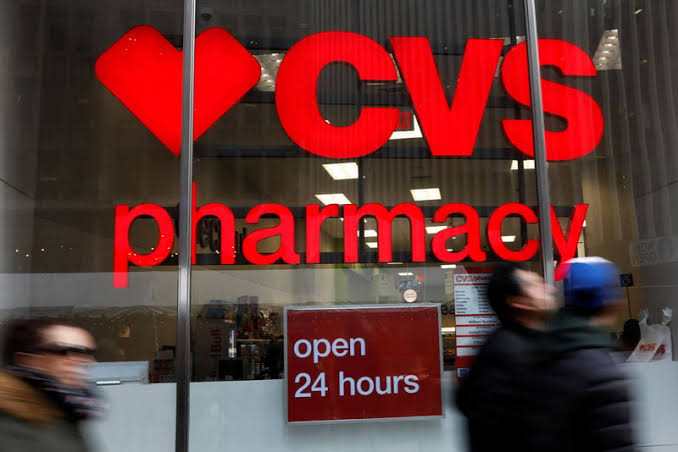
CVS Health has announced plans to divide its massive healthcare business into two independent, publicly traded companies, marking a major turning point for one of America’s largest healthcare organizations. The announcement, made on November 4, 2026, outlines a proposed separation that will place approximately 9,000 retail pharmacy locations under a standalone company called CVS Pharmacy, while the existing CVS Health business will retain its insurance, pharmacy benefits management, specialty pharmacy, and healthcare services operations.
The decision follows a comprehensive strategic review by the company’s board of directors and reflects growing pressure on healthcare businesses to improve efficiency, control costs, and respond to changing market conditions. The separation is expected to be completed during the first half of 2028, subject to regulatory, tax, corporate, and shareholder related requirements.
For customers who visit CVS stores to collect prescriptions, purchase healthcare products, or receive medical services, the announcement raises important questions about what will change. For investors, it represents a significant restructuring of a company that spent years bringing insurance, pharmacy operations, and healthcare services together under one corporate structure.
CVS Health says the two companies will operate independently while maintaining a shared commitment to making healthcare more affordable, accessible, and easier to navigate.
CVS Health Plans to Create Two Independent Healthcare Companies
The proposed restructuring will separate CVS Health into two businesses with different operating priorities. Rather than managing retail pharmacies alongside insurance and pharmacy benefits operations within one corporate organization, each company will have its own leadership, financial structure, and strategic direction.
The first company will retain the CVS Health name and focus on healthcare solutions, insurance coverage, pharmacy benefits management, and care delivery. Its businesses will include Aetna, CVS Caremark, CVS Specialty, Oak Street Health, and Signify Health.
The second company will operate under the name CVS Pharmacy. It will include approximately 9,000 retail pharmacy locations, mail order pharmacy operations, MinuteClinic locations, virtual care services, and the Health100 technology services business.
This division is designed to give each organization greater independence in managing its operations, allocating capital, investing in technology, and responding to competition.
CVS Health Chairman and Chief Executive Officer David Joyner is expected to lead the healthcare solutions company after the separation. Prem Shah, currently group president of CVS Health, is expected to become Chief Executive Officer of CVS Pharmacy.
Additional leadership appointments and board members will be announced as the restructuring progresses.
What Will Remain Under CVS Health?
The healthcare solutions company will retain several major businesses that CVS Health has developed or acquired over the years. These operations connect insurance coverage, prescription benefits, specialty medications, and direct patient care.
Aetna Will Continue Operating as the Insurance Business
Aetna will remain part of CVS Health rather than moving into the standalone retail pharmacy company. As one of America’s major health insurance providers, Aetna offers medical, pharmacy, and related coverage products to individuals, employers, and other customers.
Keeping Aetna within the healthcare solutions business will allow the company to continue connecting insurance coverage with other healthcare services. Management believes these relationships can help coordinate patient care, manage healthcare spending, and improve the experience for members.
The insurance business is particularly important because medical costs, reimbursement arrangements, and changing healthcare regulations continue to influence the financial performance of major insurers.
CVS Caremark Will Remain With the Healthcare Solutions Company
CVS Caremark, the company’s pharmacy benefit management business, will also remain under CVS Health. Pharmacy benefit managers, commonly known as PBMs, work with health plans, employers, pharmacies, and drug manufacturers to administer prescription drug benefits.
Their responsibilities can include negotiating drug prices, managing prescription formularies, processing pharmacy claims, and establishing arrangements with participating pharmacies.
Keeping Caremark alongside Aetna and the other healthcare services businesses means the restructuring will not completely separate insurance from pharmacy benefits management. Instead, the proposed transaction primarily separates the retail pharmacy and community healthcare operations from the broader healthcare solutions organization.
This distinction is significant because CVS has historically operated across several connected parts of the healthcare supply chain. The proposed structure will change those relationships without eliminating the company’s pharmacy benefits management business.
Specialty Pharmacy and Healthcare Services Will Also Remain
CVS Specialty, Oak Street Health, and Signify Health will remain within the healthcare solutions company. These businesses provide services involving complex medications, primary care, and healthcare delivered in patients’ homes.
Their inclusion means CVS Health will continue operating beyond traditional health insurance and prescription benefits. The company intends to maintain an integrated healthcare services model that connects different aspects of patient care.
What Will Be Included in the New CVS Pharmacy Company?
The standalone CVS Pharmacy business will focus on retail pharmacy operations and community healthcare services. Its approximately 9,000 stores will remain central to its business model, providing customers with access to prescription medications, over the counter products, and everyday health services.
Retail pharmacies are among the most frequently accessed healthcare locations in the United States. For many people, a neighborhood pharmacy is the first place they visit when they need prescription refills, vaccination information, or assistance with basic healthcare questions.
CVS Pharmacy will continue to build on this relationship through several business operations.
- Retail pharmacy stores: Approximately 9,000 locations serving customers across the United States.
- Mail order pharmacy: Prescription fulfillment services for customers who prefer medications delivered to their homes.
- MinuteClinic: Walk in and virtual healthcare services providing convenient access to certain medical treatments and consultations.
- Health100: A technology services business focused on digital healthcare experiences and consumer engagement.
The new company’s management expects greater independence to create opportunities for additional partnerships with health insurers, pharmacy benefit managers, drug manufacturers, and other healthcare providers.
Its nearly 30,000 pharmacists will remain an important part of its operations. Management has indicated that the standalone company intends to expand the services available through its pharmacy network and strengthen its position as a major community healthcare provider.
Why Is CVS Health Breaking Up Its Healthcare Business?
The proposed separation represents a significant change in strategy for a company that spent years building an integrated healthcare organization. CVS Health expanded beyond traditional retail pharmacy operations through acquisitions and investments designed to connect insurance, prescription services, and patient care.
One of its most important transactions was the approximately $69 billion acquisition of Aetna in 2018. The deal brought a major health insurer into the same organization as CVS pharmacies and Caremark, creating a business with a presence across several important areas of American healthcare.
CVS subsequently expanded its healthcare services through additional acquisitions, including Oak Street Health and Signify Health.
The original strategy was based on the idea that combining different healthcare services could improve coordination, increase access, and help control costs. However, operating such a large and complicated organization also creates management challenges.
Retail pharmacy operations face different competitive pressures from health insurance and pharmacy benefits management. Stores must manage staffing, prescription volumes, inventory, customer service, and competition from online retailers. Insurance operations, meanwhile, must respond to medical expenses, regulatory requirements, pricing pressures, and changing membership levels.
Separating the businesses could allow management teams to concentrate on their individual markets instead of balancing the priorities of several different operations.
Healthcare Industry Competition and Regulatory Pressure
CVS Health’s decision comes during a period of increasing scrutiny of vertically integrated healthcare companies. These organizations operate across multiple stages of healthcare delivery, sometimes combining insurance, pharmacy benefits management, drug distribution, and retail pharmacy services.
Supporters argue that integration can improve coordination and create opportunities to reduce administrative costs. Critics, however, have raised concerns about conflicts of interest, competition, prescription drug pricing, and the influence large organizations can exercise over pharmacies and healthcare providers.
Pharmacy benefit managers have become a particular focus of political and regulatory debate. Their relationships with insurers, drug manufacturers, and retail pharmacies have attracted questions about transparency, reimbursement practices, and the distribution of prescription drug spending.
Separating the retail pharmacy business from the insurance and PBM operations could give CVS Pharmacy more flexibility when negotiating commercial relationships with other healthcare companies.
However, the move does not mean that regulatory scrutiny will disappear. CVS Health will continue operating Aetna and Caremark together, while the new pharmacy company will still need to compete in a highly regulated industry.
What the Separation Means for Customers and Patients
For ordinary customers, the most immediate question is whether the corporate restructuring will affect their prescriptions, insurance coverage, or access to medical services.
CVS Health has stated that the separation process is not expected to interrupt existing customer services. Patients will continue receiving their medications, healthcare benefits, and medical services while the companies prepare for the transaction.
Customers should not assume that their prescriptions or insurance arrangements will automatically change simply because CVS has announced a future corporate separation.
However, the longer term effects will depend on how the two businesses develop their independent strategies. CVS Pharmacy could seek new partnerships with insurance providers and pharmacy benefits managers, potentially changing some commercial relationships over time.
The healthcare solutions company could also adjust its approach to insurance coverage, prescription benefits, and patient services as it becomes a more focused organization.
For patients, the most meaningful measure of success will be whether these changes eventually produce better access, more reliable services, and lower out of pocket healthcare costs.
Financial Implications for Investors and CVS Shareholders
The proposed separation is also an important development for investors following CVS Health stock on the New York Stock Exchange under the ticker symbol CVS.
Once the transaction is completed, existing CVS Health shareholders are expected to own shares in both independent companies. This structure is intended to allow investors to maintain an ownership interest in the healthcare solutions business and the standalone pharmacy company.
CVS Health expects both organizations to have investment grade credit ratings, strong free cash flow generation, and the financial flexibility to pursue their individual investment priorities.
Each business will have an independent capital structure, allowing management to make financial decisions based on its own operational requirements and growth opportunities.
For example, CVS Pharmacy could prioritize investments in store operations, pharmacy technology, digital services, and customer experiences. The healthcare solutions company could concentrate its resources on insurance operations, healthcare delivery, pharmacy benefits management, and care coordination.
Nevertheless, the transaction does not guarantee higher shareholder returns. Investors will need to evaluate the financial performance, debt levels, operating expenses, and competitive position of both companies after the separation.
When Will CVS Health Complete the Corporate Split?
CVS Health expects the separation to be completed during the first half of 2028. The company has indicated that the transaction is intended to be tax free to CVS Health and its shareholders for United States federal income tax purposes.
However, several important steps must be completed before the new companies can begin operating independently.
These include final approval from the CVS Health board of directors, the effectiveness of a Form 10 registration statement filed with the Securities and Exchange Commission, and customary confirmation regarding the intended tax treatment.
The companies will also need to prepare independent financial structures, management arrangements, corporate systems, and operational processes.
Until the separation is completed, CVS Health will continue operating under its existing corporate structure and serving customers through its current businesses.
Investors can follow official announcements and corporate filings through the CVS Health Investor Relations website and the United States Securities and Exchange Commission.
What Challenges Could the Two Companies Face After Separation?
Although the proposed restructuring offers potential advantages, creating two independent organizations will involve significant operational and financial challenges.
One concern is the possibility of additional costs. Separating corporate systems, management teams, technology platforms, financial reporting, and administrative functions can require substantial investment. Businesses that previously shared resources may also face higher operating expenses after becoming independent.
CVS Pharmacy will need to demonstrate that its retail operations can remain competitive without being part of the same corporate organization as Aetna and Caremark. The retail pharmacy industry faces pressure from online prescription services, changing consumer habits, rising operating expenses, and reimbursement challenges.
The healthcare solutions company will face its own difficulties. Insurance costs, medical spending, regulatory changes, and competition from other healthcare providers will continue influencing its performance.
There is also the question of whether the two companies can maintain effective commercial relationships after separation. Their previous corporate structure allowed different businesses to coordinate within one organization. Independent ownership will require carefully designed agreements and cooperation.
Ultimately, the success of the transaction will depend on whether the benefits of greater management focus and financial independence outweigh the costs and complexities of separating the businesses.
A Major Turning Point for the American Healthcare Industry
CVS Health’s planned separation represents a major shift in the strategy of one of America’s most recognizable healthcare companies. After years of expanding through acquisitions and integrating insurance, pharmacy benefits, retail pharmacy, and medical services, the organization is preparing to move toward a more specialized corporate structure.
The decision could have implications beyond CVS itself. Other healthcare organizations may examine whether operating multiple businesses under one corporate structure remains the most effective way to compete in an increasingly complex market.
For customers, the priority will remain affordable prescriptions, convenient pharmacy access, reliable insurance coverage, and quality healthcare services. For employees, the transition will bring changes in corporate leadership and organizational responsibilities. For investors, it will create two distinct businesses with separate financial opportunities and risks.
Conclusion: CVS Health Begins a New Chapter With Its Planned 2028 Separation
The November 4 announcement marks the beginning of a significant new chapter for CVS Health. Its planned separation into CVS Health and CVS Pharmacy will create two independent companies with different responsibilities but a shared connection to the American healthcare system.
The healthcare solutions company will retain Aetna, Caremark, specialty pharmacy, and other care delivery businesses. Meanwhile, CVS Pharmacy will take responsibility for the retail pharmacy network, mail order prescriptions, MinuteClinic, and Health100.
With completion targeted for the first half of 2028, the restructuring still has important regulatory, financial, and operational steps ahead. Until then, both businesses will continue operating under the existing CVS Health organization.
Whether the separation ultimately improves healthcare affordability, strengthens competition, or delivers greater value to shareholders remains to be seen. What is clear is that CVS Health is preparing to move away from its long standing integrated business model and give its pharmacy and healthcare solutions operations separate paths toward the future.