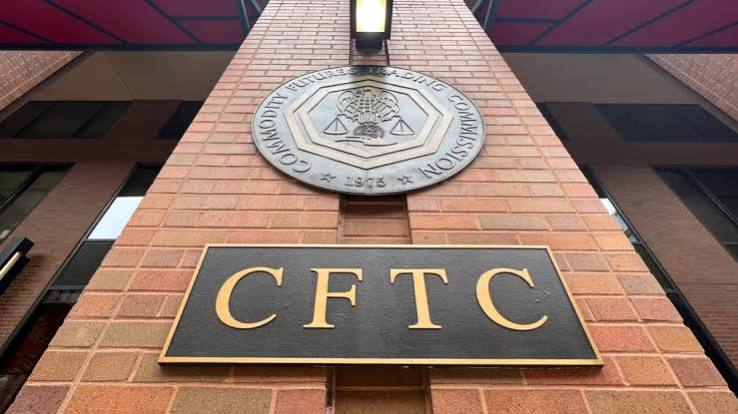
CFTC Opens Regulatory Path for Equity Perpetual Contracts on US Crypto Exchanges
The US derivatives regulator has signaled a potentially significant change for digital asset markets, announcing regulatory pathways that could allow equity perpetual contracts to be listed on US regulated crypto exchanges. The development could bring a familiar feature of offshore crypto trading into a more closely supervised American market. For traders, exchanges and traditional financial firms, the announcement raises important questions about access, oversight, leverage and the future relationship between digital asset platforms and conventional securities markets.
What the CFTC Actually Approved
The announcement came from CFTC Chairman Michael S. Selig on November 3. He said perpetual futures contracts tied to individual equity securities, described as equity perpetuals or equity perps, can begin trading on qualifying US exchanges for the first time. The products were deemed approved under Commission Regulation 40.3 as security futures products, using a framework established by the Commodity Futures Modernization Act of 2000.
There is an important qualification behind the headline. The announcement does not give every crypto exchange permission to list stock perpetuals. The eligible venues must be designated contract markets registered with the CFTC and also registered with the Securities and Exchange Commission as national securities exchanges under the notice registration framework for security futures products. That dual registration requirement places the products within the oversight responsibilities of both agencies.
The contracts will remain subject to applicable requirements under the Commodity Exchange Act and federal securities laws. In his statement, Selig presented the move as an extension of the agencies’ work to coordinate oversight of products that sit at the intersection of commodities and securities markets.
How Equity Perpetual Contracts Work
A perpetual futures contract allows a trader to take a position on the future price of an asset without owning the underlying asset itself. Unlike a conventional futures contract, it does not have a fixed expiration date. Traders can keep a position open as long as they meet the platform’s margin requirements and the contract remains available.
Because there is no settlement date pulling the contract toward the underlying asset’s value, perpetuals commonly use a recurring funding payment between traders holding opposing positions. This mechanism is intended to keep the contract price close to the reference market price. Depending on market conditions, either buyers or sellers may pay the funding amount.
Applied to individual stocks, the structure could allow market participants to take positions based on the price movements of publicly traded companies without purchasing shares directly. A trader who expects a stock to rise could take a long position, while someone anticipating a decline could take a short position. The contract would provide exposure to price changes, but it would not automatically provide the voting rights or shareholder benefits associated with owning the underlying shares.
Leverage may also be available, depending on the terms set by an exchange and the applicable regulatory requirements. This can make a relatively small amount of capital control a larger market position. It can also magnify losses, trigger margin calls and lead to rapid liquidation when prices move against a trader.
Why US Regulators Want These Products Onshore
Perpetual futures became widely associated with cryptocurrency trading, particularly on offshore platforms. Their continuous structure and ability to support long and short positions attracted traders seeking exposure to volatile digital assets. However, many of the venues that popularized these products operated outside the direct US regulatory framework, leaving American users with fewer domestic options.
Selig has argued that bringing perpetual derivatives into regulated US markets can give traders access to these instruments under established safeguards instead of pushing them toward offshore venues. The equity announcement builds on an earlier CFTC decision in May 2026, when the agency approved the listing of a bitcoin perpetual futures contract on a regulated exchange.
The latest step extends that approach beyond digital commodities and into traditional securities. It also reflects a broader effort by the CFTC and SEC to reduce uncertainty around financial products that involve both derivatives and securities law. The agencies signed a memorandum of understanding earlier in 2026 to guide coordination and collaboration.
For regulators, the challenge is to make room for new trading structures without weakening protections for customers or the integrity of financial markets. A clear regulatory route could encourage exchanges to develop products domestically, where registration, supervision and compliance obligations are more clearly defined.
Legal Opposition Emerges Alongside the Announcement
The regulatory development has already drawn opposition from parts of the traditional financial industry. On November 3, the Capital Markets Alliance, a group backed by Cboe and Citadel Securities, filed a lawsuit challenging the CFTC’s position on single stock perpetual futures. The dispute raises questions about whether the agency’s approach is consistent with the division of authority between federal derivatives and securities regulators.
The legal challenge matters because equity linked derivatives occupy an area where the CFTC and SEC have overlapping responsibilities. The CFTC oversees derivatives markets, while the SEC regulates securities markets. The framework for security futures products involves both agencies, and the new contracts rely on that shared structure.
Opponents argue that the regulatory route may allow products tied to individual stocks to enter the market without the process they believe should apply. Supporters of the CFTC approach see the decision as a way to provide a lawful route for innovation and reduce dependence on offshore trading venues. The disagreement means that the announcement should not be mistaken for the end of the regulatory debate.
There is also a separate legal dispute involving the CFTC’s earlier approval of bitcoin perpetual futures. That challenge illustrates how questions about the classification and oversight of perpetual contracts remain contested, even as regulators attempt to establish a domestic market.
What the Decision Means for Exchanges and Investors
For exchanges, the announcement creates a potential route to offer a new category of listed derivatives, provided they meet the required registration conditions and satisfy applicable rules. It could attract firms that want to compete for trading activity currently taking place on offshore crypto platforms. It may also encourage established financial companies to examine whether perpetual futures can complement their existing derivatives businesses.
For investors, however, the announcement does not mean that equity perpetual contracts are immediately available on every US trading platform. The CFTC did not identify the exchanges that would list the products, specify which individual stocks would be available or provide a detailed launch schedule. The actual availability of contracts will depend on exchange decisions and the relevant regulatory steps.
Anyone considering these products should understand the difference between owning shares and trading a derivative linked to a share price. A perpetual contract can create exposure to price movements, but it carries its own costs, funding payments, margin requirements and liquidation risks. A market that trades around the clock or offers leverage can also behave differently from the underlying stock market, particularly when liquidity is thin or prices move sharply.
Investors should examine contract specifications, pricing references, funding arrangements, margin rules and the legal status of the venue before trading. Regulatory oversight can provide important protections, but it does not remove market risk or guarantee that a position will be profitable.
What Comes Next for Equity Perpetual Trading
The next stage will depend on how eligible exchanges respond and how the legal challenge develops. Market participants will be watching for exchange announcements, contract details and further guidance from the CFTC and SEC. The outcome of the lawsuit could also influence how confidently firms move forward with listings.
The announcement is nevertheless a notable moment for US financial markets. It brings a trading structure closely associated with crypto derivatives into a framework designed to cover individual equity securities. That creates new possibilities for price exposure and risk management, while placing fresh demands on regulators responsible for protecting market participants.
We should view the decision as the opening of a regulated route, not proof that a mature US equity perpetual market is already operating. Its success will depend on whether exchanges can offer transparent products, whether regulators can maintain clear oversight and whether investors understand the risks involved. The CFTC has opened the door, but the legal and commercial tests are only beginning.
Official Regulatory Information
Chairman Selig’s statement on equity perpetual futures explains the regulatory basis for the decision and the role of the CFTC and SEC. Investors can also review the Securities and Exchange Commission’s official resources for information about securities regulation and investor protection.The US derivatives regulator has signaled a potentially significant change for digital asset markets, announcing regulatory pathways that could allow equity perpetual contracts to be listed on US regulated crypto exchanges. The development could bring a familiar feature of offshore crypto trading into a more closely supervised American market. For traders, exchanges and traditional financial firms, the announcement raises important questions about access, oversight, leverage and the future relationship between digital asset platforms and conventional securities markets.
What the CFTC Actually Approved
The announcement came from CFTC Chairman Michael S. Selig on November 3. He said perpetual futures contracts tied to individual equity securities, described as equity perpetuals or equity perps, can begin trading on qualifying US exchanges for the first time. The products were deemed approved under Commission Regulation 40.3 as security futures products, using a framework established by the Commodity Futures Modernization Act of 2000.
There is an important qualification behind the headline. The announcement does not give every crypto exchange permission to list stock perpetuals. The eligible venues must be designated contract markets registered with the CFTC and also registered with the Securities and Exchange Commission as national securities exchanges under the notice registration framework for security futures products. That dual registration requirement places the products within the oversight responsibilities of both agencies.
The contracts will remain subject to applicable requirements under the Commodity Exchange Act and federal securities laws. In his statement, Selig presented the move as an extension of the agencies’ work to coordinate oversight of products that sit at the intersection of commodities and securities markets.
How Equity Perpetual Contracts Work
A perpetual futures contract allows a trader to take a position on the future price of an asset without owning the underlying asset itself. Unlike a conventional futures contract, it does not have a fixed expiration date. Traders can keep a position open as long as they meet the platform’s margin requirements and the contract remains available.
Because there is no settlement date pulling the contract toward the underlying asset’s value, perpetuals commonly use a recurring funding payment between traders holding opposing positions. This mechanism is intended to keep the contract price close to the reference market price. Depending on market conditions, either buyers or sellers may pay the funding amount.
Applied to individual stocks, the structure could allow market participants to take positions based on the price movements of publicly traded companies without purchasing shares directly. A trader who expects a stock to rise could take a long position, while someone anticipating a decline could take a short position. The contract would provide exposure to price changes, but it would not automatically provide the voting rights or shareholder benefits associated with owning the underlying shares.
Leverage may also be available, depending on the terms set by an exchange and the applicable regulatory requirements. This can make a relatively small amount of capital control a larger market position. It can also magnify losses, trigger margin calls and lead to rapid liquidation when prices move against a trader.
Why US Regulators Want These Products Onshore
Perpetual futures became widely associated with cryptocurrency trading, particularly on offshore platforms. Their continuous structure and ability to support long and short positions attracted traders seeking exposure to volatile digital assets. However, many of the venues that popularized these products operated outside the direct US regulatory framework, leaving American users with fewer domestic options.
Selig has argued that bringing perpetual derivatives into regulated US markets can give traders access to these instruments under established safeguards instead of pushing them toward offshore venues. The equity announcement builds on an earlier CFTC decision in May 2026, when the agency approved the listing of a bitcoin perpetual futures contract on a regulated exchange.
The latest step extends that approach beyond digital commodities and into traditional securities. It also reflects a broader effort by the CFTC and SEC to reduce uncertainty around financial products that involve both derivatives and securities law. The agencies signed a memorandum of understanding earlier in 2026 to guide coordination and collaboration.
For regulators, the challenge is to make room for new trading structures without weakening protections for customers or the integrity of financial markets. A clear regulatory route could encourage exchanges to develop products domestically, where registration, supervision and compliance obligations are more clearly defined.
Legal Opposition Emerges Alongside the Announcement
The regulatory development has already drawn opposition from parts of the traditional financial industry. On November 3, the Capital Markets Alliance, a group backed by Cboe and Citadel Securities, filed a lawsuit challenging the CFTC’s position on single stock perpetual futures. The dispute raises questions about whether the agency’s approach is consistent with the division of authority between federal derivatives and securities regulators.
The legal challenge matters because equity linked derivatives occupy an area where the CFTC and SEC have overlapping responsibilities. The CFTC oversees derivatives markets, while the SEC regulates securities markets. The framework for security futures products involves both agencies, and the new contracts rely on that shared structure.
Opponents argue that the regulatory route may allow products tied to individual stocks to enter the market without the process they believe should apply. Supporters of the CFTC approach see the decision as a way to provide a lawful route for innovation and reduce dependence on offshore trading venues. The disagreement means that the announcement should not be mistaken for the end of the regulatory debate.
There is also a separate legal dispute involving the CFTC’s earlier approval of bitcoin perpetual futures. That challenge illustrates how questions about the classification and oversight of perpetual contracts remain contested, even as regulators attempt to establish a domestic market.
What the Decision Means for Exchanges and Investors
For exchanges, the announcement creates a potential route to offer a new category of listed derivatives, provided they meet the required registration conditions and satisfy applicable rules. It could attract firms that want to compete for trading activity currently taking place on offshore crypto platforms. It may also encourage established financial companies to examine whether perpetual futures can complement their existing derivatives businesses.
For investors, however, the announcement does not mean that equity perpetual contracts are immediately available on every US trading platform. The CFTC did not identify the exchanges that would list the products, specify which individual stocks would be available or provide a detailed launch schedule. The actual availability of contracts will depend on exchange decisions and the relevant regulatory steps.
Anyone considering these products should understand the difference between owning shares and trading a derivative linked to a share price. A perpetual contract can create exposure to price movements, but it carries its own costs, funding payments, margin requirements and liquidation risks. A market that trades around the clock or offers leverage can also behave differently from the underlying stock market, particularly when liquidity is thin or prices move sharply.
Investors should examine contract specifications, pricing references, funding arrangements, margin rules and the legal status of the venue before trading. Regulatory oversight can provide important protections, but it does not remove market risk or guarantee that a position will be profitable.
What Comes Next for Equity Perpetual Trading
The next stage will depend on how eligible exchanges respond and how the legal challenge develops. Market participants will be watching for exchange announcements, contract details and further guidance from the CFTC and SEC. The outcome of the lawsuit could also influence how confidently firms move forward with listings.
The announcement is nevertheless a notable moment for US financial markets. It brings a trading structure closely associated with crypto derivatives into a framework designed to cover individual equity securities. That creates new possibilities for price exposure and risk management, while placing fresh demands on regulators responsible for protecting market participants.
We should view the decision as the opening of a regulated route, not proof that a mature US equity perpetual market is already operating. Its success will depend on whether exchanges can offer transparent products, whether regulators can maintain clear oversight and whether investors understand the risks involved. The CFTC has opened the door, but the legal and commercial tests are only beginning.
Official Regulatory Information
Chairman Selig’s statement on equity perpetual futures explains the regulatory basis for the decision and the role of the CFTC and SEC. Investors can also review the Securities and Exchange Commission’s official resources for information about securities regulation and investor protection.