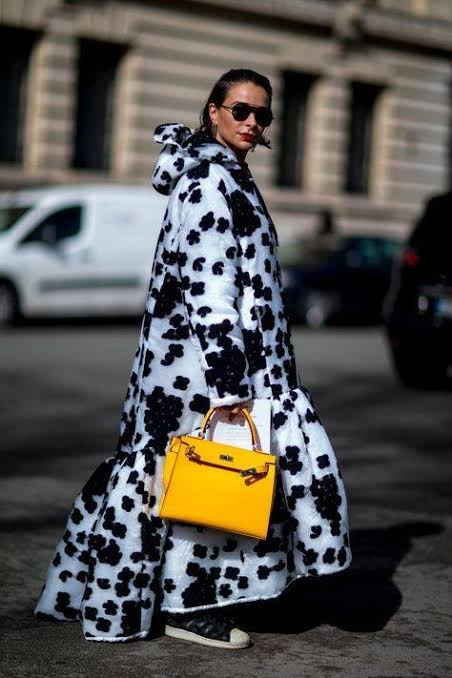
As temperatures begin to fall in many parts of the world, retailers are bringing winter clothing to the front of store displays and online shopping pages. Jackets, hoodies, knitwear, denim and warm everyday essentials are taking center stage as consumers prepare for colder days. Among the latest seasonal launches, Bangladesh based SaRa Lifestyle has introduced a broad winter collection for men, women and children, alongside a youth focused western fashion range called DHEU: My Wave. The launch reflects a wider retail priority: offering clothing that balances warmth, personal style and affordability as shoppers reassess their seasonal budgets.
The November 16, 2026 announcement comes at a key point in the winter shopping calendar. For retailers, the season represents an opportunity to refresh product ranges and attract customers preparing for changing weather, holidays and social occasions. For households, it is a practical buying period in which comfort, durability and price can matter as much as appearance.
SaRa Introduces a Broad Winter Range for Families
SaRa Lifestyle, a sister concern of Snowtex Group, has positioned its latest winter collection around the needs of different age groups and everyday routines. The range includes jackets, sweatshirts, shirts, denimwear, trousers, joggers, shawls and comforters. The selection is intended to cover more than occasional winter outings, giving shoppers options for workdays, casual gatherings and daily wear.
The breadth of the collection reflects a familiar challenge for family shoppers. Buying winter clothing for several people can quickly become expensive, particularly when children outgrow garments or adults need practical pieces for commuting and work. A retailer offering multiple categories under one brand can make seasonal shopping more convenient, provided that customers can find suitable sizes, useful designs and prices that fit their budgets.
SaRa has placed affordability among the central features of its launch. The company lists men’s winterwear from Tk 690, with jackets priced up to Tk 2,490. Women’s clothing starts at Tk 590, while jackets reach Tk 2,290. Children’s winterwear begins at Tk 490, with jackets priced up to Tk 2,500. These advertised starting prices provide an entry point for shoppers, although the final cost of an outfit will depend on the items, sizes and number of pieces purchased.
DHEU: My Wave Brings a Youth Focus to Winter Fashion
Alongside its family range, SaRa has introduced a seasonal collection through DHEU: My Wave, its western fashion line aimed at younger consumers. The selection includes denim jackets, bomber jackets, hoodies, oversized shirts, cargo pants and coordinated sets. These pieces draw on casual and streetwear styles that can be combined in different ways rather than worn as fixed outfits.
The collection speaks to a generation that often treats clothing as a form of individual expression. A denim jacket can add structure to a simple outfit, while an oversized shirt or hoodie offers a relaxed alternative for everyday use. Cargo pants and coordinated sets provide additional options for shoppers who prefer practical silhouettes with a contemporary look.
DHEU’s stated approach combines individuality and confidence with accessible pricing. That positioning matters in a market where younger shoppers may follow international fashion trends but still need to consider limited personal budgets. Affordable versions of familiar styles can make seasonal fashion more accessible, although value ultimately depends on fabric quality, construction and how well each garment holds up after repeated wear.
Comfort and Versatility Shape the Winter Shopping Season
Winter wardrobes are built around changing conditions. A thick jacket may be essential during a cold morning commute, while a sweatshirt or lighter layer can be more comfortable indoors. Consumers increasingly have reason to consider how each purchase fits into daily life rather than choosing clothing solely because it appears in a seasonal campaign.
Layering remains one of the most practical ways to dress for fluctuating temperatures. A shirt worn beneath a sweater or sweatshirt can provide flexibility throughout the day. A jacket can be added outdoors and removed in warmer indoor settings. Shawls and other adaptable accessories can also provide warmth without requiring a complete change of clothing.
For families managing a seasonal budget, versatility can be especially useful. Neutral jackets, durable trousers and simple sweatshirts may work with several existing outfits, reducing the need to purchase a large number of new pieces. Parents may also want to consider ease of washing, fabric comfort and room for movement when choosing winterwear for children.
Affordability Remains a Major Retail Consideration
Seasonal fashion launches take place against a backdrop of careful consumer spending. Clothing competes with household necessities and other expenses, and winter shopping can involve several purchases at once. A family may need jackets for children, warmer clothing for adults and additional bedding or comforters for the home. Even modest individual prices can add up when several needs must be covered.
Retailers therefore face a balancing act. They need to offer attractive designs while managing production, sourcing, inventory and operating costs. Brands that provide a range of price points can appeal to shoppers with different budgets, but customers are likely to judge those offers by the quality and usefulness of the products rather than by starting prices alone.
Before buying, shoppers can compare fabric composition, stitching, lining, closures and care instructions. For jackets, attention to insulation and construction can help determine whether a garment is suitable for the local climate. For sweatshirts and knitwear, softness and durability are important because these items may be worn frequently throughout the season.
Seasonal Collections Reflect a Wider Retail Shift
Winter collections are not limited to one country or one type of retailer. Fashion businesses across international markets use autumn and winter ranges to introduce new silhouettes, materials and seasonal color palettes. Some focus on technical outerwear for cold and wet conditions, while others prioritize knitwear, relaxed layering and clothing suitable for everyday city life.
Recent fashion coverage has highlighted a variety of approaches, from performance focused outerwear to luxury pieces inspired by mountain and ski settings. These launches show how winter fashion serves different customer needs. A shopper looking for weather protection may prioritize insulation and water resistance, while someone buying for social occasions may place greater value on design, texture and fit.
However, the arrival of seasonal collections should not be mistaken for evidence that every global clothing market is experiencing the same retail growth. Launch dates, weather patterns, household incomes and consumer preferences differ significantly by region. SaRa’s announcement is a concrete example from Bangladesh, while broader international fashion coverage illustrates the range of winter products being promoted in other markets.
What Shoppers Should Consider Before Buying
A seasonal collection can make it tempting to replace several wardrobe items at once, but a thoughtful approach often delivers better value. Consumers can begin by identifying what they already own, checking which garments no longer fit or provide sufficient warmth, and setting a realistic spending limit. From there, it becomes easier to prioritize essential purchases over items that may be worn only occasionally.
Shoppers comparing winter clothing may find these checks useful:
- Fabric and warmth: Check whether the material and lining suit the temperatures and conditions in which the garment will be worn.
- Fit and comfort: Allow enough room for layering without choosing clothing that restricts movement.
- Construction: Examine seams, zippers, buttons and stitching, particularly on jackets and frequently worn items.
- Care requirements: Read washing and drying instructions before purchasing delicate or specialty fabrics.
- Cost per wear: Consider whether the item is versatile enough to be used regularly across the season.
These considerations are useful whether customers shop in physical stores or through online platforms. Digital product descriptions and photographs can help with comparisons, but checking size information and return policies remains important when the garment cannot be tried on before purchase.
Retailers Prepare for a Season Driven by Practical Choices
The latest winter launches show how brands are trying to respond to a customer who wants both style and everyday usefulness. SaRa’s family collection and DHEU’s youth focused range address different audiences, yet both place comfort and accessible fashion at the center of their seasonal offerings.
As the winter shopping period progresses, retailers will be watching which categories attract the strongest interest and how consumers respond to price and product variety. For shoppers, the most successful winter wardrobe may not be the largest one. It may be a carefully chosen group of comfortable, durable pieces that work across different settings and remain useful beyond a single fashion trend.
Details about SaRa’s seasonal products are available through the brand’s official online store. Broader reporting on international fashion launches and seasonal retail developments can also be followed through Vogue’s fashion coverage.