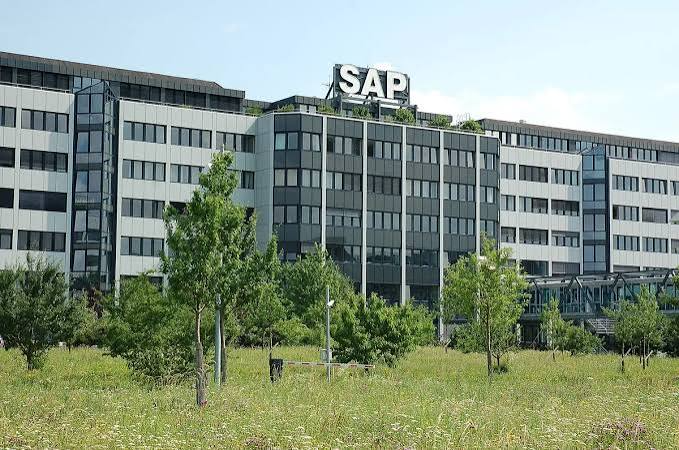
Imagine walking into a clothing store where a digital assistant guides you to the right product, a smart mirror suggests a better fit, and a personalized design can be created and prepared for collection without a traditional checkout experience. This is the retail concept behind S.Fashion, a new innovation store opened by SAP and VF Corporation at SAP headquarters in Walldorf, Germany. Announced on November 11, 2026, and drawing attention across the retail technology industry on November 16, the project brings artificial intelligence, robotics and connected retail systems into a working fashion environment.
The store features selected products from VF Corporation brands, including The North Face, Vans and Timberland. More than a showcase for digital shopping features, S.Fashion is designed to test how artificial intelligence can connect the entire retail operation, from product discovery and fitting rooms to inventory management, order processing and replenishment. The companies hope the experience will demonstrate how technology can make shopping more convenient while giving retail employees greater opportunity to focus on customers.
Inside S.Fashion: A New Kind of Physical Shopping Experience
S.Fashion is located at SAP’s headquarters in Walldorf and serves as a live retail innovation space. It brings together products, connected hardware, SAP applications and artificial intelligence tools in an environment where shoppers can experience technology as part of an ordinary store visit.
The concept addresses a familiar frustration for clothing shoppers. Finding the right size, checking whether another color is available, locating a matching item and completing a purchase can involve several separate steps. In conventional stores, these activities may depend on employees checking inventory systems, searching stockrooms or manually coordinating orders.
S.Fashion is designed to connect those steps. Its systems use item level radio frequency identification, commonly known as RFID, alongside robotics and SAP software. This allows product information and store operations to work together, helping the system track merchandise and coordinate activities across inventory, orders, pricing, promotions and replenishment.
For customers, the intended result is a shopping journey in which product discovery and fulfillment are connected rather than treated as separate processes. For retailers, the experiment offers an opportunity to examine how better access to operational information could reduce manual work and improve the flow of merchandise.
Joule AI Assistant Guides Customers Through the Store
One of the central features is Joule, SAP’s artificial intelligence assistant. Through a mobile application, Joule can guide shoppers from entering the store to discovering products, navigating the retail space and completing checkout.
Rather than relying entirely on signs or asking employees for directions, customers can use the digital assistant to help locate products and move through the shopping experience. The system connects the customer facing application with information and processes operating behind the scenes.
This connection is significant because a useful shopping assistant needs more than the ability to answer general questions. It must have access to relevant product and availability information. A recommendation is far more practical when the system can also help determine whether the requested item is available and what steps are needed to complete the purchase.
The S.Fashion concept demonstrates how an AI assistant can become part of a broader retail system rather than functioning as an isolated chatbot. Its usefulness will depend on the accuracy of product data, the quality of recommendations and how smoothly the connected systems respond during real shopping activity.
Virtual Try On and Smart Mirrors Bring Digital Tools Into Fitting Rooms
Trying on clothing is one of the most important parts of fashion retail, but it can also be inconvenient. Customers may need to change several times, wait for a fitting room or leave the room to request another size. S.Fashion explores ways to reduce some of these obstacles through holographic virtual try on technology and intelligent fitting room features.
The holographic experience allows shoppers to examine how a garment may look in different sizes and colors without physically changing clothes. It gives customers another way to assess an outfit before deciding whether to purchase it. The fitting rooms also include item recognition and smart mirrors that can recommend sizes, matching products and styling ideas.
Customers can request another size without leaving the fitting room, connecting the digital interface with the store’s product retrieval process. This could make a visit more convenient, particularly when shoppers are comparing several garments or need assistance finding an alternative.
Personalization is another part of the experience. If customers choose to provide access to their preferences and previous interactions, the system can use that information to suggest more relevant looks. Such features may help shoppers discover products suited to their interests, but they also make transparency and customer consent essential considerations for retailers.
AI Generated Designs Add a Personal Touch
S.Fashion also includes a personalization station where customers can turn a sketch and written prompt into AI generated artwork. The resulting design can be prepared for embroidery on a garment, allowing shoppers to explore customized clothing rather than choosing only from standard designs.
The process connects creative input with physical production. Once an order is placed, the garment can move through embroidery, packing and preparation for collection. A personal locker provides a place for the completed order to be collected.
This feature illustrates how artificial intelligence can support more than product recommendations. It can also help customers participate in the design process, while automation connects the resulting order to the practical work required to prepare it.
For fashion brands, personalization offers an opportunity to make products feel more individual. However, the commercial value of such services will depend on production costs, turnaround times, design quality and whether customers are willing to pay for customized items.
How Automation Connects the Store to Its Inventory
Behind the customer experience is a broader effort to connect retail operations. Fashion businesses manage large numbers of products that differ by brand, style, size and color. A store may appear to have a simple stockroom, but keeping accurate information about every item requires coordination across purchasing, inventory, sales and fulfillment.
In S.Fashion, RFID information, robotics and SAP applications support the movement of products through the store. When a customer creates an order, the process can initiate item retrieval, customization, packing, payment and collection. The completed transaction updates inventory information and can trigger replenishment when additional stock is needed.
This connected approach could help reduce the delays that occur when separate systems do not communicate effectively. For example, a sale should be reflected in inventory records so that staff and customers are not relying on outdated availability information. Better coordination may also help retailers identify products that need to be reordered before shelves become empty.
Artificial intelligence agents are designed to interpret events and coordinate appropriate next steps across these processes. People remain responsible for oversight, including operating rules and exceptions. This distinction matters: the project is testing greater automation, not suggesting that every retail decision should be handed over to software.
A Store That Can Operate Without Staff During Selected Hours
One of the more unusual aspects of S.Fashion is that it can operate autonomously during selected hours, with no employees physically present in the store. This gives SAP and VF Corporation an opportunity to study how connected technology performs under different operating conditions.
The autonomous periods are part of an experiment rather than evidence that the companies are replacing all store employees. The same environment is intended to demonstrate how technology can support different retail models, including operations where employees remain available to assist customers.
For retail businesses, this raises important questions about the future role of store teams. If technology can manage routine stock checks, coordinate product retrieval and simplify transactions, employees may have more time for customer advice, styling assistance and problem solving. However, automated systems still need reliable maintenance, security, clear procedures and human intervention when something goes wrong.
What SAP and VF Corporation Hope to Learn
SAP Chief Executive Officer Christian Klein described S.Fashion as a practical demonstration of how business applications, data and industry specific artificial intelligence can work together across retail operations. The project reflects SAP’s broader Autonomous Enterprise strategy, which focuses on using connected business systems and AI to recognize changes, coordinate processes and support decisions while people retain control.
For VF Corporation, the store provides an opportunity to observe consumer reactions and assess which technologies could be useful across its brand portfolio. Sujay Kumar, the company’s Vice President of Global ERP Technology, said the live environment would help the business learn what resonates with shoppers and identify solutions that could make a meaningful difference for its teams and customers.
S.Fashion will be available to SAP employees and their friends and families, with arranged visits for customers and business partners. It is therefore best understood as a controlled innovation environment, not a new chain of stores already being rolled out internationally. The companies have not announced a broad public expansion plan or confirmed that every feature will be introduced across VF Corporation locations.
What the Experiment Could Mean for the Future of Fashion Retail
The opening of S.Fashion arrives as retailers continue to examine how artificial intelligence can support both online and physical shopping. Digital commerce has made product searches and personalized recommendations familiar, but physical stores remain important because customers want to see materials, assess fit and experience products before buying them.
The challenge is to connect the convenience of digital services with the practical advantages of visiting a store. S.Fashion explores one possible answer by linking mobile assistance, virtual fitting, personalization and automated fulfillment to the same operational systems.
There are still questions that the experiment will need to address. Retailers must determine whether customers find virtual fitting tools accurate, whether personalized recommendations genuinely improve the shopping experience and whether automation delivers enough operational savings to justify its costs. Data protection, customer consent, system reliability and accessibility will also influence whether these technologies gain wider acceptance.
For shoppers, the most meaningful measure of success will be whether these systems make buying clothing easier without making the experience feel impersonal. For employees, the value will depend on whether automation reduces repetitive tasks while preserving meaningful roles in customer service. For retailers, the test is whether the technology can operate reliably and contribute to a sustainable business model.
A Real World Test of AI in Fashion Stores
SAP and VF Corporation have brought several emerging retail technologies together in one functioning environment. From Joule guided shopping and smart mirrors to AI generated embroidery and automated stock processes, S.Fashion offers a practical view of how artificial intelligence could connect the customer experience with the work happening behind the scenes.
The project does not prove that traditional fashion stores are about to disappear or that fully autonomous retail will become the standard. Instead, it gives two major companies a place to test ideas, study customer behavior and identify which applications deserve further development. As retailers face pressure to improve service while managing complex operations, the lessons from Walldorf could help shape future decisions about the role of AI in physical shopping.
Readers can explore the companies’ wider technology and brand portfolios through the official SAP website and VF Corporation’s corporate website.