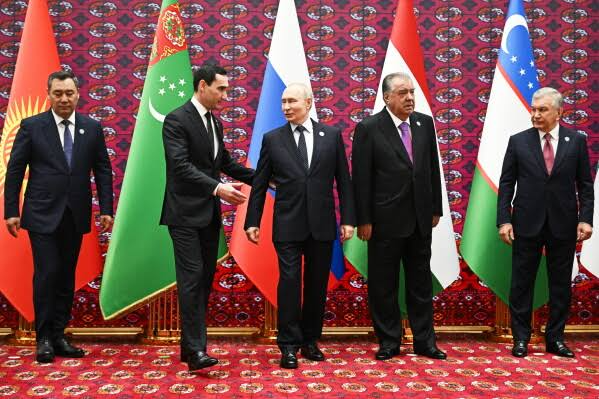
Russia and Tajikistan are continuing efforts to strengthen their longstanding political, economic, and security partnership, with Russian President Vladimir Putin’s diplomatic engagement with Dushanbe drawing renewed attention on November 16, 2026. The Kremlin’s announcement concerning high level bilateral engagement highlights Moscow’s interest in maintaining close relations with Central Asia, a region that carries considerable importance for Russia’s security, trade, and regional influence. For Tajikistan, stronger cooperation with its northern neighbor could bring opportunities for economic development, improved trade connections, and closer coordination on regional challenges.
Putin’s Tajikistan Engagement Signals Continued Diplomatic Cooperation
Relations between Russia and Tajikistan have developed through decades of political dialogue, economic cooperation, and security agreements. Both countries maintain close institutional ties, making regular presidential discussions an important part of their diplomatic relationship. Putin’s engagement with Tajikistan reflects Moscow’s continued interest in maintaining a strong presence in Central Asia while working with regional governments on shared priorities.
The proposed high level discussions are expected to focus on two particularly important areas: regional security and bilateral trade. These subjects have become central to cooperation between the countries as governments across Central Asia respond to changing economic conditions, cross border security concerns, and developments in international relations.
Tajik President Emomali Rahmon has maintained regular contact with Putin, reflecting the importance both governments attach to their strategic partnership. Their discussions provide an opportunity to review existing agreements, identify areas requiring additional cooperation, and consider how bilateral relations can support broader regional stability.
Why Tajikistan Matters to Russia’s Central Asian Strategy
Tajikistan occupies an important geographical position in Central Asia. It shares borders with Afghanistan, Uzbekistan, Kyrgyzstan, and China, placing it near several important regional trade routes and security corridors. Its geographical location makes cooperation with neighboring governments particularly relevant to wider regional stability.
For Russia, maintaining constructive relations with Tajikistan is significant for several reasons. The country remains an established security partner, participates in regional diplomatic organizations, and maintains substantial economic connections with the Russian market.
Russia also has longstanding military and security ties with Tajikistan. Both governments have an interest in addressing terrorism, extremism, organized crime, and the movement of illegal goods across international borders. These concerns are particularly relevant given the security situation surrounding Afghanistan.
Regional Security Remains a Shared Priority
Security cooperation is expected to remain an important subject in bilateral discussions. Developments in Afghanistan and the wider regional security environment have created continuing challenges for Central Asian governments. Tajikistan’s extensive border with Afghanistan makes border management and intelligence cooperation especially important.
Russia and Tajikistan have previously worked together through regional security arrangements and military cooperation. Their discussions provide opportunities to review existing mechanisms and consider practical ways to improve coordination.
Several areas are particularly relevant to their shared security interests:
- Border protection: Strengthening monitoring and coordination along sensitive international borders.
- Counterterrorism: Improving cooperation against extremist organizations and transnational security threats.
- Information sharing: Supporting communication between relevant security institutions.
- Regional stability: Coordinating diplomatic approaches to developments affecting Central Asia.
However, effective security cooperation requires more than high level statements. Its success depends on sustained communication, institutional coordination, and practical implementation of existing agreements.
Trade and Economic Cooperation Could Feature Prominently
Economic relations represent another major dimension of the Russia and Tajikistan partnership. Trade, investment, energy, transportation, agriculture, and industrial development offer opportunities for both countries to strengthen their commercial relationship.
Russia remains an important economic partner for Tajikistan, providing access to a large consumer market and opportunities for businesses operating across several industries. Tajikistan, meanwhile, offers agricultural products, mineral resources, and opportunities for investment in infrastructure and other developing sectors.
Both governments have expressed interest in increasing bilateral trade and diversifying commercial exchanges. Previous discussions have also addressed a long term objective of expanding trade turnover substantially by 2030.
For businesses, stronger diplomatic relations can create a more predictable environment for cross border commercial activity. Improved transportation links, simplified trade procedures, and greater cooperation between financial institutions could help companies explore new opportunities.
Energy, Agriculture, and Transportation Opportunities
Energy cooperation is an important element of the bilateral economic relationship. Tajikistan possesses considerable hydropower potential, while its growing infrastructure requirements create opportunities for investment and technical cooperation. Discussions about energy development could support efforts to improve electricity generation, strengthen distribution systems, and meet increasing domestic demand.
Agriculture is another important sector. Tajikistan’s agricultural producers depend on reliable access to domestic and international markets. Stronger commercial connections with Russia could support exports, improve distribution networks, and provide opportunities for businesses involved in food production and processing.
Transportation and logistics also deserve attention. Efficient regional connections are essential for countries seeking to expand international trade. Better infrastructure, improved customs procedures, and more reliable freight services could reduce commercial barriers and make trade between the two countries more efficient.
Labor Migration Remains an Important Economic Connection
Labor migration is an important part of the relationship between Russia and Tajikistan. Many Tajik citizens travel to Russia for employment, particularly in construction, manufacturing, transportation, retail, and service industries.
Income earned by workers abroad contributes to household finances in Tajikistan and supports economic activity in communities across the country. For many families, employment opportunities in Russia remain closely connected to education expenses, housing costs, and everyday living requirements.
Migration policy therefore carries significant economic and social importance. Discussions between the governments may provide opportunities to address employment regulations, documentation requirements, worker protections, and cooperation between relevant agencies.
At the same time, migration arrangements must balance the needs of employers with the rights and welfare of workers. Clear regulations and accessible administrative procedures can help reduce uncertainty for both employees and businesses.
Tajikistan’s Growing Regional Diplomatic Role
Tajikistan is also seeking to strengthen its position within regional organizations and international diplomatic discussions. Its participation in the Collective Security Treaty Organization, the Shanghai Cooperation Organization, and other regional platforms gives Dushanbe opportunities to coordinate policies with neighboring countries and major international partners.
The country’s upcoming role in regional security cooperation is particularly relevant. Tajikistan is scheduled to assume the rotating chairmanship of the Collective Security Treaty Organization in 2027, following Russia’s chairmanship. This transition creates additional opportunities for the two governments to coordinate their approaches to regional security.
For Dushanbe, maintaining constructive relations with Moscow while developing wider international partnerships remains an important diplomatic consideration. Cooperation with Russia is significant, but Tajikistan also has economic and strategic relationships with China, other Central Asian countries, and international institutions.
This broader diplomatic approach allows Tajikistan to pursue its national development priorities while participating in regional decision making.
What the Diplomatic Engagement Could Mean for the Region
High level discussions between Russia and Tajikistan carry implications beyond their bilateral relationship. Central Asia has become increasingly important to international trade, transportation networks, energy development, and regional diplomacy.
Governments in the region are working to attract investment, expand international commercial connections, and improve infrastructure. Cooperation between Moscow and Dushanbe could contribute to these objectives if political commitments translate into practical economic projects.
Several developments will be worth monitoring in the coming months:
- Trade agreements: Whether the governments announce additional measures to increase commercial exchanges.
- Security arrangements: Whether existing cooperation receives new commitments or practical updates.
- Infrastructure investment: Whether transportation and energy projects receive additional support.
- Migration cooperation: Whether officials introduce clearer arrangements for workers and employers.
- Regional diplomacy: How the two countries coordinate their positions through regional organizations.
These developments will help determine whether diplomatic engagement produces measurable benefits for businesses, workers, and communities across both countries.
A Partnership Facing Opportunities and Challenges
Despite their longstanding relationship, Russia and Tajikistan must navigate several economic and geopolitical challenges. International sanctions affecting Russia, changing trade patterns, migration policy considerations, and competition for investment across Central Asia can influence the direction of bilateral cooperation.
Tajikistan must also consider how to maintain economic stability while developing relationships with multiple international partners. Expanding trade with Russia can provide opportunities, but diversification remains important for reducing dependence on individual markets.
For Russia, maintaining reliable relationships with Central Asian governments is important to its wider regional interests. Continued cooperation with Tajikistan can support diplomatic engagement, commercial activity, and security coordination at a time when international relationships are undergoing considerable change.
The ability of both governments to address practical concerns will ultimately determine the strength of their partnership. Agreements concerning trade, security, infrastructure, and migration must deliver meaningful outcomes rather than remain limited to diplomatic statements.
What Comes Next for Russia and Tajikistan?
Putin’s diplomatic engagement with Tajikistan reflects the continuing importance of Central Asia in Russia’s foreign policy and the value Dushanbe places on maintaining established strategic partnerships. Regional security, economic cooperation, and bilateral trade remain central issues that require consistent attention from both governments.
For Tajikistan, stronger cooperation could support infrastructure development, create commercial opportunities, and improve coordination on cross border challenges. For Russia, maintaining close relations with Dushanbe remains relevant to its economic and security interests throughout Central Asia.
Readers seeking further information about the countries’ diplomatic relationship can follow official announcements through the Kremlin’s official website and the Ministry of Foreign Affairs of Tajikistan.
As regional governments continue to address economic uncertainty and security concerns, the Russia and Tajikistan partnership will remain an important relationship to watch. Its future significance will depend not simply on presidential meetings, but on the agreements implemented afterward and the tangible benefits delivered to people in both countries.