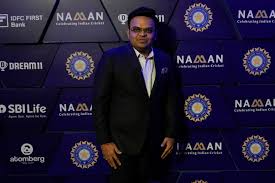
Jay Shah has secured another term as Chair of the International Cricket Council (ICC), receiving unanimous support from the governing body’s directors in an unopposed reappointment announced on November 16, 2026. The decision, confirmed following ICC Board meetings in Bali, Indonesia, gives the organization continuity in leadership as international cricket approaches a significant period of expansion, commercial development, and global competition. With cricket preparing to return to the Olympic Games at Los Angeles 2028, Shah’s second term will place him at the center of decisions that could influence the sport’s future for millions of players and supporters worldwide.
ICC Confirms Jay Shah’s Second Term as Chairman
The International Cricket Council officially announced Shah’s reappointment after its directors proposed his continuation as chair during meetings in Bali. His selection without opposition reflects the confidence expressed by ICC Board members in his leadership and the direction of the organization.
Shah first assumed the ICC chairmanship on December 1, 2024, succeeding New Zealand’s Greg Barclay. At the age of 35, he became the youngest person to lead international cricket’s governing body, marking a significant milestone in his administrative career.
His reappointment comes at a particularly important time for international cricket. The organization is preparing for major competitions, working to expand the sport into new markets, and developing opportunities for countries that have traditionally had limited access to elite international tournaments.
In his response to the announcement, Shah expressed gratitude to the ICC Board for its continued confidence. He described the position as both a privilege and a responsibility, reaffirming his commitment to working with member nations to advance cricket worldwide.
He also highlighted the importance of building a sustainable future for the sport, with attention to players, supporters, commercial partners, and other stakeholders. His comments suggest that the next phase of ICC leadership will involve balancing the commercial demands of modern cricket with the interests of its diverse international membership.
Why Shah’s Reappointment Matters for International Cricket
The ICC oversees international cricket across a broad membership that includes established cricketing powers and developing nations. Its responsibilities extend beyond organizing major tournaments. The governing body also manages international competition structures, qualification pathways, playing regulations, development programs, and measures designed to protect the integrity of the sport.
Leadership continuity can be particularly valuable when an organization is preparing for several major sporting and commercial milestones. Shah’s second term provides an opportunity to continue existing initiatives while addressing challenges involving international scheduling, competitive balance, financial sustainability, and the development of emerging cricket markets.
Cricket has a passionate global following, particularly across South Asia, Australia, England, Africa, and the Caribbean. However, its popularity and professional infrastructure remain uneven across different countries. Some national boards operate extensive domestic competitions and commercial systems, while others continue to face financial and administrative limitations.
One of the central responsibilities of the ICC leadership will be ensuring that the sport’s growing commercial value translates into meaningful opportunities throughout its membership.
Los Angeles 2028 Olympics Will Be a Major Priority
One of the most significant developments approaching during Shah’s second term is cricket’s return to the Olympic Games at Los Angeles 2028. The sport will return to the Olympic program after an absence of more than a century, creating an opportunity to introduce cricket to audiences who may have limited experience watching international matches.
The Olympic competition will use the T20 format, which offers shorter matches and a more compact viewing experience than traditional Test cricket and One Day Internationals. Its fast pace, limited playing time, and emphasis on exciting performances make it suitable for the Olympic schedule.
Both men’s and women’s competitions are expected to feature, giving the global event additional significance for the development of women’s cricket.
Expanding Cricket Beyond Traditional Markets
The Olympic platform could help cricket reach new audiences in countries where the sport has historically received limited attention. The United States, for example, represents a substantial opportunity because of its large population, diverse communities, and developing interest in international cricket.
Greater Olympic exposure could encourage investment in local facilities, youth development programs, coaching systems, and professional competitions. It could also attract commercial partners interested in reaching new sporting audiences.
For established cricketing countries, the Olympics will provide another opportunity to represent their national teams on a major international stage. For developing cricket nations, participation could strengthen the case for additional funding and long term investment.
Shah has identified the Olympic return as an important opportunity to inspire a new generation of players and supporters. However, the lasting success of the initiative will depend on whether interest generated in 2028 can be converted into sustainable participation and stronger domestic cricket structures.
Women’s Cricket Remains Central to the ICC’s Plans
The continued growth of women’s cricket is another important priority highlighted by the ICC following Shah’s reappointment. Women’s cricket has gained considerable attention through international tournaments, domestic leagues, and increased investment in professional opportunities.
Competitions such as the Women’s Premier League in India have demonstrated the commercial and sporting potential of women’s cricket. Professional leagues provide players with greater financial opportunities, regular high level competition, and increased exposure to international audiences.
Nevertheless, significant differences remain between the resources available to men’s and women’s cricket in many countries. Several national boards continue to face challenges involving facilities, coaching opportunities, player contracts, and access to competitive tournaments.
The ICC has reaffirmed its commitment to strengthening women’s cricket and creating more opportunities for female players across its membership. This includes supporting development pathways and ensuring that emerging cricket nations can build sustainable women’s programs.
Shah’s second term will therefore be an important period for assessing whether international development initiatives can produce measurable improvements in participation, professional opportunities, and competitive standards.
Greater Opportunities for Associate Member Nations
Another major focus for the ICC is supporting Associate Members, which represent countries developing their cricketing infrastructure and seeking greater participation in international competitions.
While established cricket nations generally have access to substantial commercial resources and professional domestic systems, smaller cricket boards often operate with limited budgets. This can affect their ability to recruit experienced coaches, develop training facilities, organize domestic competitions, and prepare national teams for international tournaments.
Providing these countries with better qualification opportunities and consistent access to international competition is essential for cricket’s wider development.
During Shah’s second term, the ICC is expected to continue working toward stronger development pathways and a more inclusive international structure. Greater opportunities for Associate Members could help identify emerging talent and create more competitive international matches.
The ICC Deputy Chair and Zimbabwe Cricket Chair, Tavengwa Mukuhlani, welcomed Shah’s continued leadership, highlighting the importance of collective decision making and opportunities for developing cricket nations. He also pointed toward the 2027 Men’s Cricket World Cup in South Africa, Zimbabwe, and Namibia as an important opportunity for African cricket.
Protecting International Cricket While Managing Commercial Growth
Commercial development has become increasingly important to international cricket. Broadcasting agreements, sponsorship arrangements, franchise competitions, ticket sales, and digital media rights generate significant revenue for the sport.
However, the growth of franchise leagues has also created difficult questions about the international cricket calendar. Players, national boards, and tournament organizers must balance competing commitments while protecting the importance of representing national teams.
England and Wales Cricket Board Chair Richard Thompson congratulated Shah on his reappointment and highlighted the need to strengthen the international calendar. He stressed that bilateral cricket must remain competitive and relevant while the sport adapts to changing commercial conditions and new audiences.
This issue will require careful attention from ICC leadership. International Test matches, One Day Internationals, and T20 competitions each serve different audiences and sporting purposes. Protecting their long term relevance requires scheduling decisions that consider players, national boards, supporters, and commercial partners.
Financial sustainability is equally important. A strong international cricket system should provide sufficient resources for major tournaments while supporting smaller boards and ensuring that development programs receive consistent funding.
Jay Shah’s Administrative Journey Before Leading the ICC
Before becoming ICC Chair, Shah held several influential positions in cricket administration. He served as Honorary Secretary of the Board of Control for Cricket in India from 2019 to 2024 and became President of the Asian Cricket Council in 2021.
His responsibilities at the BCCI involved working within one of the world’s most commercially influential cricket organizations. During this period, Indian cricket experienced significant developments in professional competitions, commercial partnerships, and women’s cricket.
The introduction of the Women’s Premier League in 2023 was among the major developments during his time at the Indian cricket board. The competition created a professional platform for women players and provided new opportunities for domestic and international talent.
Shah also served as Chair of the ICC Finance and Commercial Affairs Committee before taking over the organization’s top leadership position. His experience across national, regional, and international cricket administration has shaped his approach to the commercial and organizational responsibilities of the global game.
Challenges Ahead During Shah’s Second Term
Despite the opportunities ahead, the ICC faces several important challenges. Maintaining competitive balance between established and emerging cricket nations will remain a complicated responsibility. Differences in financial resources, infrastructure, and player development can create substantial gaps between national teams.
The international calendar is another concern. With franchise tournaments continuing to expand, the ICC must consider how to protect international fixtures without placing excessive demands on players. Maintaining the importance of bilateral cricket while supporting major global competitions will require cooperation among national boards.
Women’s cricket also needs continued financial and institutional support. Increased television audiences and commercial interest represent encouraging developments, but sustained progress will depend on investment in grassroots programs, professional contracts, and international competition.
Additionally, safeguarding the integrity of cricket remains essential. Anti corruption measures, fair competition, effective governance, and transparent administration are necessary to maintain public confidence in the sport.
What to Expect From the ICC Under Continued Leadership
Shah’s second term will cover a period filled with major international sporting events and important administrative decisions. The 2027 Men’s Cricket World Cup in southern Africa and the 2028 Olympic competition in Los Angeles will provide significant opportunities to expand cricket’s international presence.
Several areas will be worth watching as the ICC moves forward:
- Olympic preparations: Organizing successful men’s and women’s T20 competitions at Los Angeles 2028.
- Women’s cricket development: Increasing professional opportunities and supporting women’s competitions across member nations.
- Associate Member support: Improving access to international matches, funding, and development programs.
- International scheduling: Maintaining a competitive calendar that balances bilateral series and major tournaments.
- Commercial sustainability: Developing revenue opportunities while supporting the wider cricketing community.
- Sporting integrity: Protecting fair competition and strengthening governance standards.
The progress made in these areas will help determine the effectiveness of the ICC’s leadership during the coming years.
A Defining Period for Cricket’s Global Future
Jay Shah’s unopposed reappointment as ICC Chair represents a vote of confidence from the organization’s directors at a time of considerable opportunity and responsibility for international cricket. His continued leadership provides stability as the governing body prepares for the sport’s Olympic return, works to expand its global audience, and addresses the changing needs of its members.
For players, supporters, and developing cricket nations, the most meaningful measure of this leadership will be the opportunities created beyond the boardroom. Stronger women’s competitions, improved development pathways, competitive international fixtures, and sustainable financial arrangements can help ensure that cricket benefits from its growing international popularity.
Further announcements and official developments can be followed through the International Cricket Council’s official website and the Board of Control for Cricket in India.
As the cricketing world looks toward 2027 and the historic Olympic return in 2028, Shah’s second term begins with a clear responsibility: to bring cricket’s diverse members together and ensure that the sport’s next phase of growth creates lasting value for players and fans around the world.