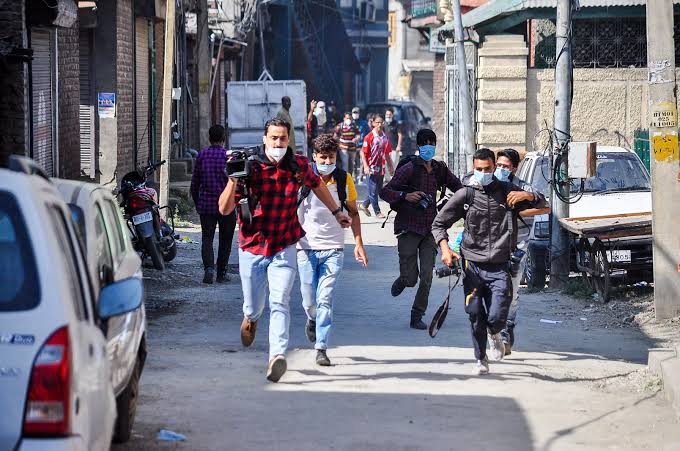
The safety of journalists is facing an increasingly serious global crisis as armed conflicts, drone attacks, and targeted violence continue to claim media workers’ lives. On November 16, 2026, growing international attention is turning toward UNESCO’s latest warning about the rising number of journalists killed while reporting on conflicts and other dangerous situations. The United Nations Educational, Scientific and Cultural Organization has intensified its global advocacy campaigns, media outreach, and cooperation with governments and civil society organizations to address the growing threat. Its latest findings reveal that 189 journalists, media professionals, and social media producers engaged in journalistic activities were killed during 2024 and 2025, representing a 20 percent increase compared with the previous two year reporting period. Behind these figures are individuals who risked their lives to document events, report difficult truths, and keep communities informed during periods of violence.
UNESCO Highlights the Growing Danger Facing Journalists Worldwide
UNESCO’s latest Director General’s Report on the Safety of Journalists and the Danger of Impunity presents a concerning picture of the conditions facing media professionals across the world. The report, released in connection with the International Day to End Impunity for Crimes Against Journalists on November 2, 2026, identifies armed conflict as a major driver of the increase in journalist killings.
Of the 189 journalists killed during the 2024 and 2025 reporting period, 127 lost their lives in countries experiencing armed conflict. This represents approximately 67 percent of the total. The findings demonstrate how dangerous reporting environments have become, particularly in areas where military operations, political instability, and humanitarian emergencies create constant threats to civilian life.
Journalists working in conflict zones often operate under extraordinary pressure. They must navigate damaged infrastructure, interrupted communication networks, displacement, and unpredictable security conditions while attempting to verify information and communicate developments to the public.
For many reporters, the risks extend beyond the immediate battlefield. Threats, intimidation, detention, surveillance, and attacks against media organizations can make independent reporting increasingly difficult. UNESCO’s warning highlights the need for governments and international institutions to treat journalist safety as a fundamental public interest rather than a concern limited to the media industry.
189 Journalists Killed in Two Years as Conflict Related Deaths Increase
The latest figures represent a significant deterioration in journalist safety. UNESCO recorded 189 killings during 2024 and 2025, compared with 162 during 2022 and 2023. The increase of approximately 20 percent reverses the progress achieved in reducing journalist deaths during earlier reporting periods.
The geographical distribution of these killings also reveals the unequal risks facing media professionals. The Arab States region recorded 97 journalist killings, the highest regional total. Latin America and the Caribbean followed with 37 recorded deaths.
These figures reflect the dangers associated with armed conflicts, political instability, organized violence, and other threats against independent reporting. They also demonstrate that journalist safety requires attention across different regions, not only in countries experiencing conventional warfare.
UNESCO has emphasized that the deaths recorded in its report include journalists, media workers, and social media producers engaged in journalistic activities. This broader approach recognizes that the modern information environment involves different types of media professionals who may face similar dangers while documenting events and distributing information.
Drone Attacks Introduce New Dangers for War Correspondents
One of the most disturbing findings in UNESCO’s latest assessment concerns the growing use of unmanned aerial vehicles, commonly known as drones, in armed conflicts. During the 2024 and 2025 reporting period, 50 journalists were killed by drone attacks across six conflict zones.
These deaths account for a substantial proportion of the journalist casualties recorded in conflict affected countries. The figures illustrate how changes in military technology are creating additional risks for people documenting armed confrontations.
Drone warfare can make traditional safety precautions more difficult to apply. Journalists may face threats from aerial surveillance, remote controlled weapons, and attacks occurring without the immediate warning associated with some conventional military operations.
Why Modern Conflict Reporting Requires Better Protection
Journalists working near military operations often wear protective equipment, identify themselves through press markings, and coordinate their movements with other media professionals. However, these precautions cannot guarantee safety when modern weapons and surveillance technologies increase the risks across large geographical areas.
The growing number of drone related deaths raises important questions about the protection of journalists under international humanitarian law. Media professionals do not lose their civilian status simply because they report from an active conflict zone. They must be protected against direct attacks unless they themselves take a direct part in hostilities.
Governments and armed forces must ensure that military operations comply with applicable international law. They must also investigate credible reports of attacks against journalists and establish whether violations have occurred.
Global Impunity Rate Reaches 86 Percent
Perhaps the most troubling aspect of UNESCO’s report is the growing number of journalist killings that remain unresolved or unpunished. The global impunity rate increased from 85 percent in the previous reporting period to 86 percent in 2026.
This marks the first increase since UNESCO began systematically monitoring impunity in 2012. The figure means that approximately six out of seven cases of journalist killings remain unresolved or have not resulted in justice for the victims.
The consequences extend far beyond the families of journalists who have lost their lives. When attacks against reporters are not properly investigated, perpetrators may believe they can continue committing violence without facing legal consequences.
This environment can create a chilling effect across the media industry. Reporters may avoid investigating sensitive subjects, media organizations may withdraw employees from dangerous assignments, and communities may lose access to independent information about important public issues.
Why Investigations and Accountability Matter
UNESCO has called for stronger cooperation between governments, law enforcement agencies, prosecutors, and judicial institutions. Investigations must establish not only who carried out an attack but also whether individuals who planned, financed, or ordered the violence bear responsibility.
Effective accountability requires independent investigations, protection for witnesses, transparent judicial procedures, and appropriate legal remedies for victims and their families.
The improvement recorded in some countries demonstrates that progress is possible. In countries not experiencing armed conflict, the impunity rate declined from 94 percent in 2012 to 77 percent in 2022 and has remained at that level since. This contrast suggests that stronger institutions and sustained legal action can make a meaningful difference.
UNESCO Expands Global Campaign Against Violence Toward Journalists
In response to the deteriorating situation, UNESCO has increased its international advocacy efforts and brought together governments, international organizations, media representatives, and civil society groups.
The organization’s 2026 campaign carries the theme “THREATS EVOLVE. IMPUNITY ENDURES.” It highlights how the dangers facing journalists are changing while the failure to bring perpetrators to justice remains a persistent problem.
The campaign was developed around the International Day to End Impunity for Crimes Against Journalists, observed annually on November 2. UNESCO used international media coverage, digital communication channels, public discussions, and local advocacy activities to bring greater attention to the issue.
These activities aim to encourage governments to strengthen journalist protection mechanisms and improve cooperation between institutions responsible for investigating attacks.
International Policy Discussions and Media Safety Coalitions
At UNESCO headquarters, a high level policy dialogue brought together government representatives, judicial authorities, law enforcement officials, academics, and other stakeholders. Participants discussed practical approaches to preventing violence against journalists and addressing the lack of accountability for crimes committed against them.
UNESCO also organized a town hall meeting involving representatives of more than 20 coalitions and networks working on journalist safety. The discussions focused on cooperation, shared challenges, and opportunities to strengthen implementation of the United Nations Plan of Action on the Safety of Journalists and the Issue of Impunity.
Additional advocacy activities included 16 local, national, and regional events across Fiji, Mexico, Nigeria, Mongolia, and Norway. These initiatives helped bring the international campaign into local communities and encouraged broader participation in protecting independent journalism.
Women Journalists Face Additional Threats and Online Harassment
Women journalists continue to face distinct safety challenges, particularly when reporting on political developments, armed conflicts, human rights violations, and other sensitive subjects.
UNESCO recorded 14 women journalists killed during 2024 and 2025, representing approximately 7 percent of the total. All but one of these deaths occurred in conflict zones.
Although the number of women journalists killed remained stable compared with the previous reporting period, the broader threat environment remains concerning. Women working in journalism can experience gender based intimidation, sexualized threats, coordinated online harassment, and attempts to discredit their professional work.
Online abuse can also move beyond digital platforms. Personal information may be exposed, threats may be directed toward family members, and coordinated harassment can create serious psychological pressure.
UNESCO and its partners have therefore called for stronger protection mechanisms that address both physical violence and digital threats. Media organizations must provide effective reporting procedures, appropriate security training, and institutional support for journalists experiencing harassment.
Disappearances and Detentions Add to the Global Press Freedom Crisis
Journalist safety involves more than preventing killings. Reporters also face arbitrary detention, enforced disappearance, threats, physical attacks, and restrictions that prevent them from carrying out their professional responsibilities.
International civil society organizations recorded between 98 and 160 cases of journalists who went missing or were forcibly disappeared during 2024 and 2025. The variation reflects differences in the monitoring methods used by the organizations.
During the same reporting period, Reporters Without Borders recorded at least 938 detained journalists, while the Committee to Protect Journalists documented at least 466 imprisoned journalists. These figures use different definitions and reporting methodologies and should not be treated as directly comparable totals.
Nevertheless, they illustrate the scale of the challenges confronting independent media professionals. Detention and disappearance can prevent journalists from reporting, separate families, and discourage others from investigating sensitive subjects.
Governments Must Strengthen Their Commitment to Journalist Protection
UNESCO’s findings also reveal weaknesses in government participation and reporting. The organization sent 78 requests to countries seeking updated information about investigations and judicial proceedings involving 1,358 ongoing or unresolved journalist killing cases.
Only 48 countries responded, including 40 that provided substantive information and eight that acknowledged the requests. Thirty countries did not respond. The overall response rate declined to 62 percent, compared with 80 percent in 2024.
Furthermore, only 33 percent of the 78 countries reported measures taken to promote journalist safety and reduce impunity. Just 27 percent provided information about measures addressing the gender dimension of journalist safety.
These findings demonstrate the need for stronger government accountability. International commitments must be supported by clear national policies, functioning protection systems, and independent judicial institutions capable of investigating crimes.
Governments can strengthen journalist protection through several practical measures:
- Independent investigations: Ensure that attacks against journalists are investigated promptly and impartially.
- Legal accountability: Bring individuals responsible for ordering or carrying out attacks before appropriate judicial authorities.
- Emergency protection: Establish accessible systems for journalists facing immediate threats.
- Conflict zone safeguards: Respect the civilian status of journalists and comply with international humanitarian law.
- Digital security: Address online harassment, unlawful surveillance, and threats against media professionals.
- Public reporting: Provide transparent information about investigations, prosecutions, and measures taken to improve safety.
Protecting Journalists Also Protects the Public’s Right to Information
The safety of journalists is closely connected to the public’s ability to receive reliable information. Reporting from conflict zones, political institutions, disaster affected communities, and areas experiencing human rights violations helps people understand events that may directly affect their lives.
When journalists are threatened or killed, the consequences reach beyond newsrooms. Communities may lose important witnesses, evidence of abuses may remain undocumented, and families affected by violence may struggle to make their experiences heard.
Independent journalism also plays a critical role in holding powerful institutions accountable. By investigating public decisions, documenting abuses, and presenting verified information, journalists contribute to transparency and democratic participation.
Protecting media professionals is therefore not simply an industry concern. It is an essential part of protecting freedom of expression, human rights, and access to information.
What Comes Next in UNESCO’s Global Safety Campaign?
UNESCO’s November campaign has renewed international attention on the growing dangers facing journalists, but lasting progress will depend on continued cooperation after public awareness events conclude.
The organization is expected to continue coordinating with governments, media organizations, international institutions, and civil society networks to strengthen the implementation of the United Nations Plan of Action on the Safety of Journalists and the Issue of Impunity.
Its monitoring work will also remain important for identifying changes in journalist killings, tracking judicial progress, and evaluating whether national protection policies are producing measurable results.
Readers can follow new reports, official statements, and international journalist safety initiatives through the UNESCO journalist safety program and the United Nations campaign against impunity for crimes against journalists.
A Global Responsibility to Defend Press Freedom
UNESCO’s latest warning presents a sobering reminder that reporting the news can still carry an extraordinary human cost. The deaths of 189 journalists during 2024 and 2025, the growing number of conflict related casualties, and the increase in unresolved killings demonstrate that existing protection efforts are not sufficient.
However, the situation is not beyond improvement. Stronger legal institutions, effective investigations, safer reporting environments, better digital protection, and sustained international cooperation can help reduce violence and prevent future attacks.
For journalists working in dangerous environments, protection must mean more than public statements of support. It must involve practical safeguards, respect for international law, and meaningful justice when crimes occur.
Ultimately, defending journalists means defending the public’s right to know what is happening around them. Every reporter protected from violence represents an opportunity for important information to reach communities that need it. As UNESCO continues its global campaign, governments and international institutions face a clear responsibility to ensure that those who document the world’s most difficult events are not abandoned to violence and impunity.