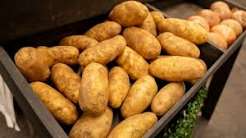
American potato growers are renewing their campaign to reach Japanese grocery stores and restaurant kitchens, as Washington increases pressure on Tokyo to reconsider restrictions on fresh U.S. table potatoes. The dispute has become part of a wider effort to expand American agricultural exports across Asia. At the same time, the United States and Thailand have announced substantial progress toward a trade agreement that includes an estimated $2.6 billion in additional annual purchases of American farm products. Together, the developments highlight how market access, food safety rules and trade negotiations are shaping U.S. economic relationships in the region.
Why Japan’s Potato Market Matters to American Farmers
For U.S. potato producers, Japan represents a valuable market that has remained difficult to enter for decades. American growers can already export certain fresh potatoes to Japan for processing into potato chips, but shipments are subject to strict quarantine conditions. Access to the broader table potato market remains restricted, preventing U.S. suppliers from selling fresh potatoes through ordinary grocery and food service channels.
The difference is commercially significant. Table potatoes are sold for everyday cooking and consumption, rather than being reserved for industrial processing. Opening this market could give American growers access to Japanese households, restaurants and retailers looking for dependable supplies of fresh produce.
Washington state has been particularly active in pushing for change. During a trade mission to South Korea and Japan from November 7 to November 15, representatives of the Washington State Potato Commission raised fresh potato access in discussions with Japanese officials. The commission’s executive director, Chris Voigt, argued that the existing export record provides a strong basis for expanding trade.
American industry representatives point to roughly a decade of shipments under the existing processing arrangement without reported plant health problems. They argue that this experience, alongside scientific evidence and appropriate safeguards, supports allowing a wider range of fresh potato exports.
A Long Running Trade Dispute With Economic Consequences
The American campaign is not new. U.S. lawmakers have repeatedly urged Japan to reconsider its restrictions, arguing that the current rules prevent American producers from competing in a major consumer market. In March 2026, Senator Mike Crapo of Idaho and Senator Ron Wyden of Oregon led a bipartisan appeal asking President Donald Trump to raise the issue directly with Japanese Prime Minister Sanae Takaichi.
The lawmakers estimated that opening Japan’s fresh potato market could generate approximately $150 million a year in additional U.S. exports. They also highlighted the importance of overseas sales to American farming communities, where growers face changing commodity prices, rising production expenses and the need to find reliable buyers beyond domestic markets.
The senators’ estimate gives the dispute a clear commercial dimension. For growers, access to Japan could mean more customers and stronger demand. For exporters, it could provide an opportunity to build long term relationships with Japanese distributors and food businesses. The potential benefits would extend beyond farms to packaging companies, transportation providers, storage facilities and other parts of the agricultural supply chain.
However, the projected export value remains an estimate rather than a guaranteed outcome. Actual sales would depend on the final import conditions, the competitiveness of American prices, consumer demand and the ability of exporters to meet Japanese requirements.
Japan’s Food Safety Concerns Remain Central
Tokyo’s position is rooted in plant health protection. Japan has strict phytosanitary rules designed to prevent foreign pests and plant diseases from entering its agricultural system. Potatoes can carry organisms that are difficult to detect and potentially damaging to local production. A pest introduced through imported crops could threaten domestic fields, increase costs for farmers and require extensive control measures.
These concerns are particularly important in Hokkaido, Japan’s leading potato producing region. Local farmers and agricultural representatives have expressed concern that wider access for imported potatoes could expose domestic production to additional risks. The debate is therefore not simply about whether American potatoes are commercially attractive. It also involves how Japan can protect its growers and maintain confidence in its food supply.
Japan’s Ministry of Agriculture, Forestry and Fisheries has been reviewing the issue through technical discussions. The ministry held an information session on September 18, 2026, concerning progress in quarantine negotiations for fresh U.S. potatoes intended for general distribution. It also published supporting material on the subject in November.
The Japanese process requires attention to potential pests, inspection procedures and safeguards that would apply before imports could be permitted. American exporters may argue that their record supports market opening, but Japanese authorities must determine whether proposed controls offer sufficient protection. A negotiated solution would need to address both commercial access and the practical risks identified by plant health officials.
Japan’s broader plant protection framework can be reviewed through its official guidance on importing plants and agricultural products, which explains why certain goods are restricted and how inspections and phytosanitary certificates are used.
Thailand Adds a Major Agricultural Export Opportunity
While negotiations with Japan remain focused on one important agricultural product, Washington has also announced progress on a much wider trade arrangement with Thailand. On November 17, President Donald Trump and Thai Prime Minister Anutin Charnvirakul signed a joint statement in Manila confirming that negotiations on a reciprocal trade agreement had reached a substantial conclusion.
Trump said Thailand would eliminate tariffs on U.S. exports and remove significant non tariff barriers affecting several American industries. These include vehicles, medical devices, pharmaceuticals, ethanol and poultry. Thailand also committed to purchasing an estimated $2.6 billion in additional U.S. agricultural products annually.
The announcement represents a potentially significant opportunity for American farmers and agricultural exporters. The expected purchases include products such as feed corn and distillers dried grains with solubles, commonly used in animal feed. Additional demand could support U.S. grain producers, processors and businesses involved in international agricultural transportation.
The U.S. Grains and BioProducts Council welcomed the framework, describing the annual purchase commitment as a potential source of dependable demand for American producers. For agricultural businesses, predictable export markets can help with planning, investment and decisions about future production.
The Thailand Agreement Is Not Yet Fully Finalized
Despite the positive announcement, the November 17 statement should not be mistaken for a fully implemented trade agreement. The two governments have announced substantial progress in negotiations, but the formal text still requires further work before the agreement can enter into force.
Legal drafting, domestic procedures and approval processes remain important steps. Thai officials have indicated that additional work is needed before a final agreement can be signed. The details of individual product commitments, implementation schedules and safeguards will determine how quickly businesses can benefit from the announced framework.
The distinction matters for farmers and exporters. An announced purchase commitment creates expectations, but businesses need clear product specifications, delivery schedules and regulatory conditions before they can make firm commercial decisions. The $2.6 billion figure is an estimate of additional annual agricultural purchases, not a guarantee that every American agricultural sector will receive an equal share of the opportunity.
The agreement builds on a preliminary trade framework announced in October 2025. That earlier framework aimed to reduce tariffs on a broad range of U.S. goods and address barriers affecting American exports. The latest announcement indicates that both governments want to move those negotiations toward a more complete arrangement.
Why the Two Developments Matter for U.S. Trade Policy
The Japan and Thailand developments illustrate two different approaches to expanding agricultural trade. With Japan, the central issue is whether technical plant health requirements can be resolved sufficiently to allow a specific fresh product into the market. With Thailand, the negotiations cover a wider range of goods and involve tariff reductions, regulatory barriers and broader commercial commitments.
Both cases reflect a common challenge for American exporters: access to foreign markets depends on more than competitive prices. Tariffs can make products expensive, but non tariff measures such as import licensing, inspection requirements and sanitary rules can also determine whether a shipment is commercially possible.
For U.S. farmers, successful negotiations can create new customers and reduce dependence on established export destinations. For overseas buyers, greater access to American products may offer additional suppliers and more choices. Yet trade agreements also require governments to consider the interests of domestic producers, food safety authorities and consumers.
Japan’s potato dispute shows why these negotiations can take years. A country may welcome trade in principle while maintaining restrictions that it considers necessary to protect local agriculture. Resolving the disagreement requires scientific evidence, technical cooperation and confidence that agreed safeguards will be followed.
What Happens Next for American Potato Growers?
The immediate question is whether Japan and the United States can make further progress on quarantine conditions for fresh table potatoes. The November trade mission has renewed attention on the issue, but no confirmed date for opening the market has been announced. Japanese authorities will need to complete their assessment and determine whether the necessary safeguards can be agreed upon.
American growers are likely to continue pressing for a timetable and clearer import conditions. Their case rests on the economic value of the Japanese market and their argument that existing shipments demonstrate an ability to comply with strict controls. Japanese officials, meanwhile, must balance those commercial arguments against the responsibility to protect domestic crops from potentially damaging pests.
The Thailand framework will also require close attention as the governments work toward a formal agreement. Its final terms will reveal which agricultural products are covered, how purchases will be organized and when tariff and regulatory changes are expected to take effect.
A Wider Test of Agricultural Trade Cooperation
For American agriculture, the two developments offer reasons for cautious optimism. The Thailand announcement points to a substantial potential increase in overseas demand, while the renewed push in Japan keeps open the possibility of a valuable new market for fresh potatoes. Neither outcome is fully secured, but both demonstrate the importance of sustained trade negotiations.
Ultimately, successful agricultural trade depends on practical agreements that businesses can use and governments can enforce. American farmers need dependable access to overseas customers. Japan and Thailand need confidence that imports meet their rules and serve their domestic interests. If negotiations can address those priorities, the benefits could extend well beyond the immediate value of individual shipments.
The coming weeks will show whether the Thailand framework moves toward a formal pact and whether Japan’s review brings fresh U.S. potatoes closer to ordinary retail shelves. For growers watching these discussions, the stakes are tangible: new customers, more stable export opportunities and the possibility of stronger returns from crops already being produced across the United States.
The bipartisan congressional effort to open Japan’s market is detailed in the March 2026 letter from U.S. lawmakers to the president, which sets out the industry’s export estimate and the case for expanding fresh potato access.