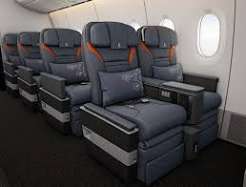
Singapore Airlines is reviewing its newly unveiled business class cabin design after an unusually strong wave of criticism from loyal customers, travel experts and frequent flyers. The controversy centers on a grey and yellow colour scheme that some passengers say looks out of place for one of the world’s best known premium airlines. While the redesigned seats promise greater privacy, more personal space and improved comfort on long distance journeys, the reaction shows that passengers expect more than practical features when they pay for business class. They also want an atmosphere that reflects the quality and identity of the airline they trust.
CEO Confirms Review of Customer Feedback
Singapore Airlines Chief Executive Officer Goh Choon Phong said on November 12 that the carrier would review customer responses to its new cabin products and consider further refinements where appropriate. His comments followed several days of criticism after the airline presented its next generation long haul cabin interiors on November 6.
Speaking during a briefing on the airline group’s first half financial results, Goh said the company appreciated the feedback and would examine whether changes could improve the passenger experience. His statement suggests that the airline is willing to reconsider aspects of the design, although it has not announced a confirmed redesign or promised that the disputed colours will be replaced.
The response is significant because the new seats are part of a major cabin investment that has been in development for years. Singapore Airlines has committed more than S$2 billion to its wider cabin renewal programme, covering first class, business class, premium economy and economy. Changing a design at this stage could involve additional costs, production decisions and coordination with aircraft manufacturers and suppliers.
Why the New Business Class Design Triggered Criticism
The strongest reaction has focused on the business class cabin’s grey upholstery and bright yellow accents. Many passengers associate Singapore Airlines with a more traditional premium identity built around warm colours, refined materials and its familiar batik inspired visual details. The new palette looks noticeably different, prompting some customers to question whether it matches the airline’s established image.
Several travel commentators and social media users compared the seats to dental chairs or medical examination furniture. Others said the bright yellow details resembled the visual identity of low cost carrier Scoot, which is part of the Singapore Airlines Group. The comparisons spread quickly across travel forums and social media platforms, turning what might normally have been a routine cabin announcement into a wider debate about the airline’s design choices.
Former Singapore Airlines cabin crew member and frequent flyer Darshen Kuna was among those who publicly questioned the appearance. He welcomed the addition of sliding privacy doors but argued that the colour scheme did not reflect the premium experience associated with the carrier. Travel industry commentators also questioned whether the materials and finishes looked sufficiently refined for a flagship business class product.
Not every response has been negative. Some passengers and reviewers have praised the seat’s practical improvements, particularly the greater privacy and additional space. The debate therefore concerns more than whether the seat works. It reflects a difference between the airline’s intended visual direction and the expectations many customers bring to the Singapore Airlines brand.
What the New Seats Are Designed to Improve
Despite the criticism, the redesigned business class seats include several features intended to address common complaints about long haul travel. Singapore Airlines says the new layout places greater emphasis on privacy, convenience and usable personal space. Sliding doors and higher partitions give passengers a more enclosed area, helping them rest or work with fewer distractions from the aisle and neighbouring seats.
The design also includes a revised tray table storage arrangement intended to free up space around the footwell. Storage compartments and charging points are positioned within easier reach, allowing passengers to access personal belongings and electronic devices without repeatedly getting up or rearranging their seating area.
These details matter on flights that can last twelve hours or longer. A business class passenger may spend much of the journey switching between meals, work, entertainment and sleep. A seat that provides room to stretch, convenient charging and a more comfortable sleeping position can make a meaningful difference by the time the aircraft reaches its destination.
The airline has also highlighted customer research as part of the development process. Its cabin design programme drew on input from more than 5,000 frequent travellers, customers, employees and industry experts worldwide. Singapore Airlines says the new products were developed around passenger expectations for a more modern and flexible travel experience.
Different Designers for Different Cabin Classes
The cabin renewal programme involved three design agencies, with each assigned to a particular part of the aircraft interior. PriestmanGoode worked on the new first class suites, Designworks developed the business class cabin, and Factorydesign handled premium economy and economy. Singapore Airlines has explained that the needs of passengers differ across cabin classes, making separate design expertise appropriate.
The business class seats were developed in collaboration with seat manufacturer Recaro and Designworks. The airline’s decision to use a distinct design team for this cabin has also attracted questions about whether the overall aircraft interior feels sufficiently cohesive.
Goh defended the approach by explaining that the requirements of each cabin class are different. The airline selected agencies based on the needs of the specific product rather than using one design firm for the entire aircraft. That decision may offer specialized expertise, but the public reaction shows why consistency across the passenger experience remains important.
Singapore Airlines Says the Colour Choices Were Deliberate
Before the chief executive confirmed the review, Singapore Airlines had defended its new business class palette. The company said the colours, materials and finishes were carefully selected to create a contemporary and refined atmosphere. It also pointed to adjustable LED lighting throughout the cabin, which is intended to influence the ambience during different stages of a flight.
The airline’s product team has said that customers wanted a more modern appearance. The design was intended to feel fresh and progressive while retaining the functionality expected from a premium cabin. However, the response suggests that some passengers interpret modernity differently from the designers. For customers accustomed to the airline’s established look, a contemporary interior may still feel unfamiliar if it loses too much of the warmth and visual character they associate with the brand.
This is a difficult balance for any established airline. A cabin that looks almost identical to an older product can appear dated, while a dramatic change can alienate customers who value the company’s history. The challenge is to introduce something new without making loyal passengers feel that the identity they recognize has disappeared.
Competition for Premium Long Haul Passengers Is Intensifying
The debate comes as international airlines compete heavily for travellers willing to pay higher fares for long distance comfort. Business class is no longer judged only by seat width or the ability to convert a seat into a flat bed. Passengers increasingly compare privacy doors, storage, entertainment screens, lighting, food, service and the overall cabin atmosphere before choosing an airline.
For corporate travellers, comfort can affect how effectively they work after landing. For leisure passengers, a premium seat may represent a major part of the holiday budget. In both cases, customers expect a consistent experience from the moment they board until they arrive.
Singapore Airlines has built a strong reputation through service, reliability and its premium cabin products. That reputation creates an advantage, but it also raises expectations. Customers who have repeatedly chosen the airline may be more vocal when a new product appears to depart from the standards they associate with it.
Strong reactions can therefore be a warning as well as evidence of customer loyalty. The airline has an opportunity to identify which parts of the design genuinely concern passengers and which features are likely to win approval once travellers experience them in flight.
When Will the New Cabins Enter Service?
The redesigned cabins are expected to enter service progressively from the second half of 2027. The rollout is planned for 41 Airbus A350 900 long haul and ultra long range aircraft, as well as the airline’s future Boeing 777 9 fleet. This timetable gives Singapore Airlines some time to assess feedback before passengers encounter the new interiors across its long haul network.
However, reviewing feedback does not necessarily mean that the airline will replace the entire business class design. Possible refinements could involve colour choices, surface finishes or other visual details, depending on what the company considers practical. Changes to seat structure, privacy features or storage systems would likely require more extensive engineering and production work.
For passengers, the most important question is whether the final cabin delivers the comfort and privacy promised by the airline while also feeling unmistakably like Singapore Airlines. The company has not yet provided a detailed list of possible changes or a timetable for deciding whether adjustments will be made.
What the Backlash Means for the Airline
The episode offers a useful lesson about the relationship between product design and customer expectations. A technically improved seat can still generate disappointment if its appearance conflicts with the image passengers have built around a brand. Equally, a visually attractive cabin cannot succeed as a premium product if it fails to provide practical comfort during a long journey.
Singapore Airlines now faces the task of balancing these expectations before the new cabins enter regular service. The strongest response may not require abandoning the design altogether. Carefully considered adjustments to colours or materials could address some concerns while preserving the privacy, storage and comfort improvements that reviewers have welcomed.
For frequent flyers, the review is a reminder that customer feedback can influence decisions even after a major product has been announced. For the airline, it is an opportunity to show that innovation and brand identity can work together rather than compete with each other.
The final measure of success will come when passengers begin using the new cabins on long haul routes. If the seats provide a genuinely better rest, useful personal space and the level of service customers expect, the initial criticism may become less important. But if the visual design continues to feel disconnected from the airline’s identity, the controversy could remain part of the story surrounding its expensive cabin renewal.
Singapore Airlines’ chief executive’s comments and the airline’s explanation of the new cabin features were reported by Channel NewsAsia’s coverage of the customer feedback review, which details the criticism, the proposed refinements and the functional changes planned for the new seats.