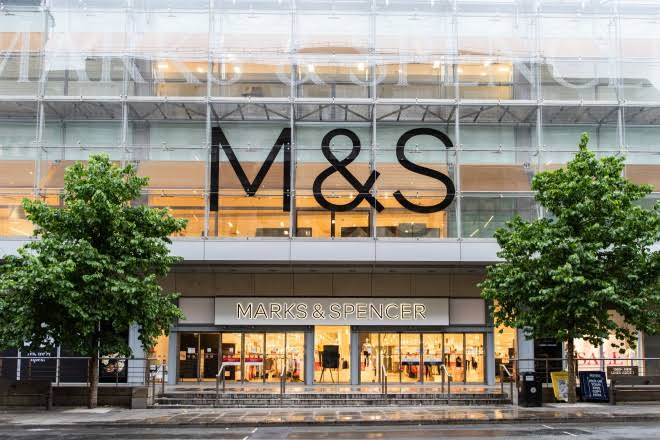
British retailer Marks & Spencer is extending its fashion business across Asia Pacific through a new partnership with Global Fashion Group, bringing its clothing collections to customers on Southeast Asia’s ZALORA platform. The agreement gives shoppers access to selected M&S womenswear, menswear, childrenswear and lingerie while allowing the British retailer to use established regional ecommerce and delivery infrastructure instead of building an extensive local operation from the ground up.
Announced in November 2026, the partnership is part of M&S’s broader international growth strategy, which places greater emphasis on digital sales, established retail partners and capital light expansion. The arrangement also includes plans to launch M&S Fashion on THE ICONIC in Australia and New Zealand in early 2027, alongside regional fulfilment for orders placed through the Australian M&S website.
For customers, the change is about more than another fashion label appearing on an online shopping platform. It is intended to make British clothing easier to access across several markets, with regional inventory and delivery operations designed to improve availability, shipping times and returns.
M&S Fashion Arrives on ZALORA Across Southeast Asia
The first stage of the agreement is already underway, with M&S launching a curated selection of its fashion products on ZALORA. The platform operates across Indonesia, Malaysia, the Philippines, Singapore and Hong Kong, giving the retailer access to shoppers in several important Southeast Asian markets through one established digital channel.
The product selection covers four major categories: womenswear, menswear, childrenswear and lingerie. This broad assortment gives M&S an opportunity to introduce more of its clothing business to regional customers rather than limiting the partnership to a single product segment.
For shoppers, the appeal of buying through a familiar local platform is practical. Customers can browse collections, compare products and place orders within an ecommerce environment already serving their market. They do not need to rely exclusively on a retailer’s overseas website or navigate an international purchasing process.
The launch also gives M&S access to ZALORA’s regional customer base and marketing capabilities. Joint promotional activity can introduce the brand to shoppers who may recognize its British identity but have not previously had convenient access to its fashion collections.
Why Global Fashion Group Is an Important Partner
Global Fashion Group operates several fashion ecommerce platforms across different regions. Its portfolio includes ZALORA in Southeast Asia, THE ICONIC in Australia and New Zealand, and Dafiti in Brazil and Colombia. The group works with international and local brands, providing access to digital marketplaces as well as logistics, fulfilment and marketing services.
This existing network is central to the M&S agreement. Rather than creating separate ecommerce operations and delivery arrangements in every market, M&S can work with a partner that already understands regional shopping habits, customer expectations and the practical demands of cross border fashion retail.
That distinction matters in a region where markets can differ considerably in language, payment preferences, delivery infrastructure and consumer behaviour. A retailer entering several countries independently may need to establish local teams, negotiate logistics agreements and develop customer service operations. Working with an established platform can reduce the amount of infrastructure it needs to build and manage itself.
Global Fashion Group Chief Executive Christoph Barchewitz described the partnership as an opportunity for a global brand to use infrastructure developed specifically for the region. The company expects customers to benefit from faster delivery, easier returns and wider access to M&S products without the retailer having to operate its own local fulfilment centres and carrier network.
Kuala Lumpur Becomes the Regional Fulfilment Hub
One of the most significant parts of the agreement is the shared inventory arrangement in Kuala Lumpur, Malaysia. M&S stock will be held in a single regional pool, allowing orders from different channels to be fulfilled within Asia Pacific rather than being shipped individually from the United Kingdom.
The network is designed to support orders placed through ZALORA, THE ICONIC and M&S.com in Australia. By bringing inventory together, the arrangement can give the retailer greater flexibility in how products are allocated across its sales channels.
Regional fulfilment could also make a noticeable difference to the customer experience. International shipping can involve longer waiting periods, additional handling and more complicated returns. Holding products closer to customers is intended to reduce some of those obstacles, although actual delivery times will depend on the destination, stock availability and local delivery arrangements.
For M&S, a shared stock pool may help improve product availability while avoiding the expense of establishing a separate warehouse operation for every market. For Global Fashion Group, the arrangement makes use of its existing logistics network and strengthens its role as a regional service partner for international fashion brands.
Australia and New Zealand Are Next in the Expansion Plan
The partnership is not limited to Southeast Asia. M&S plans to launch on THE ICONIC in Australia and New Zealand in early 2027, extending the agreement into two additional markets.
THE ICONIC is Global Fashion Group’s fashion and lifestyle platform serving Australian and New Zealand customers. Its existing marketplace gives M&S another route to reach shoppers without relying solely on its own international website.
Australian customers using M&S.com are also expected to benefit from regional order fulfilment through GFG’s network. This means the partnership will support both marketplace sales and orders placed directly through the M&S website in Australia.
The arrangement could eventually extend to other markets, although the companies have not announced a fixed timetable for further expansion. Its development will depend on customer demand, operational performance and the commercial value of extending regional services.
What Capital Light Expansion Means for M&S
The term capital light describes a business approach in which a company seeks growth without taking on the full cost of building and operating every part of its infrastructure. In this case, M&S is using Global Fashion Group’s established platforms, fulfilment centres, technology and delivery relationships to expand its international reach.
This approach can reduce the upfront investment associated with entering new markets. A retailer does not necessarily need to establish its own warehouse, delivery network and marketplace presence in every country before beginning to sell products there. Instead, it can combine its brand, product range and supply capabilities with the resources of a regional partner.
For M&S, the strategy supports an international business model that places online marketplaces and partnerships alongside its existing retail channels. The company has already been developing its digital reach in Europe through its relationship with Zalando. Its expansion into Asia Pacific follows a similar principle: use established ecommerce platforms to connect with customers while keeping the operating model manageable.
Mark Lemming, M&S managing director of International, said the company aims to build on its reputation as a trusted global brand through scalable partnerships. He also identified online growth as an important way to reach more customers and improve the shopping experience through regional delivery.
What the Partnership Could Mean for Southeast Asian Fashion Shoppers
Southeast Asia is a diverse consumer market, and the partnership gives M&S an opportunity to reach customers with different shopping preferences and budgets. Its product categories cover everyday clothing needs, from workwear and casual outfits to childrenswear and lingerie.
For shoppers who already use ZALORA, the addition of M&S offers another established international brand within a familiar shopping environment. The platform can also provide a route for customers to discover products they may previously have encountered mainly through travel, overseas websites or limited local availability.
However, the success of the launch will depend on more than brand recognition. Product selection, pricing, sizing information, stock availability and delivery performance will all influence whether customers return to shop. Fashion purchases are personal decisions, and shoppers need confidence that the item they order will fit their expectations when it arrives.
Returns will be particularly important. Clothing customers often need to exchange sizes or return products that do not meet their needs. A regional fulfilment structure may make this process easier, but the practical experience will depend on the return policies and services available in each market.
Competition in Online Fashion Retail Remains Strong
M&S is entering a crowded digital fashion environment. International labels, local designers, specialist retailers and large ecommerce marketplaces are competing for attention across Southeast Asia. Customers can compare prices and collections quickly, making product quality, value and service important factors in purchasing decisions.
M&S will need to communicate what distinguishes its collections while adapting its offer to regional demand. Its established British retail identity may help attract attention, but lasting growth will depend on whether the products meet local expectations for style, fit, quality and price.
Global Fashion Group also has a commercial interest in making the partnership successful. Adding a recognized international retailer can broaden the selection available on its platforms and give existing customers more reasons to shop. Joint marketing and coordinated inventory management may help both businesses build sales without duplicating infrastructure.
A Wider Step in M&S International Growth
The agreement with Global Fashion Group represents a practical expansion of M&S’s international fashion strategy. The retailer has gained access to Southeast Asian customers through ZALORA, a planned route into Australia and New Zealand through THE ICONIC, and a regional fulfilment arrangement supporting Australian website orders.
The model offers potential advantages for both companies. M&S can reach more customers while relying on established regional operations, and Global Fashion Group can add a major British fashion brand to its ecommerce platforms. Customers, meanwhile, are expected to benefit from broader product access and a more locally managed delivery experience.
The next measure of success will be execution. Product availability, customer response, delivery reliability and returns will show whether the partnership can turn wider access into sustained demand. The planned 2027 launch on THE ICONIC will provide another important stage in that process.
For further company updates and details about its international retail strategy, readers can visit the Marks & Spencer corporate newsroom. Information about the regional ecommerce platforms and services is also available through Global Fashion Group.
Rather than pursuing international growth by building every operation itself, M&S is choosing to connect its brand with infrastructure already established across the region. If the arrangement delivers the convenience and service customers expect, it could provide a useful foundation for the retailer’s next phase of growth across Asia Pacific.