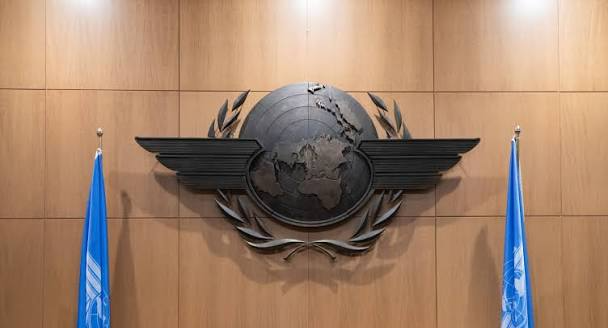
Global aviation authorities gathered in Montréal on November 19, 2026, for an extraordinary session of the International Civil Aviation Organization (ICAO), with an important decision ahead: electing four additional member states to the organization’s governing Council. The meeting comes as international air transport faces mounting questions about safety, rising operating costs, fuel availability, passenger connectivity and the transition to cleaner aviation.
The 43rd Extraordinary Session of the ICAO Assembly is taking place at the organization’s headquarters in Canada and is scheduled to run through November 20. Unlike a regular Assembly, which reviews a broad programme of international aviation policy, this special session has a specific institutional purpose. It will allow ICAO’s 193 member states to elect four additional Council members after a treaty amendment increased the Council’s size from 36 to 40 states.
The timing gives the gathering wider significance. A separate ICAO conference on worldwide air transport is taking place at the same headquarters during the same week, bringing governments and aviation stakeholders together to discuss the economic and regulatory conditions shaping international flights. The two meetings are distinct, but together they place governance, connectivity and the future resilience of global aviation firmly on the agenda.
Why ICAO Has Called an Extraordinary Assembly
The immediate reason for the special session is a change to the Convention on International Civil Aviation, commonly known as the Chicago Convention. A protocol amending Article 50(a) entered into force on June 12, 2026, increasing the number of states represented on the ICAO Council from 36 to 40.
The change reflects the growing scale and diversity of international aviation. More states now seek a meaningful role in decisions that influence global air transport, including safety standards, technical cooperation, regulatory coordination and the development of international aviation policy. Expanding the Council provides four additional places for member states to participate in the organization’s governing work.
ICAO announced the extraordinary session in July and invited all 193 member states to participate. The election is scheduled for the Assembly’s plenary session on November 20. An electronic voting system will be available in all six official ICAO languages, with paper ballots retained as a contingency option.
What the ICAO Council Does
The ICAO Council is the organization’s governing body between regular Assembly sessions. It oversees the implementation of Assembly decisions, considers technical recommendations and helps guide the continuing development of international civil aviation. Its work affects how countries coordinate aviation rules and cooperate on matters that cross national borders.
International air travel depends on common standards. An aircraft may depart from one country, cross several others and arrive thousands of miles away. Airlines, airports, air traffic controllers and national regulators must operate within compatible systems if passengers and cargo are to move safely and efficiently. The Council helps maintain the institutional framework that supports this cooperation.
Its membership also carries diplomatic significance. States represented on the Council can contribute directly to discussions about the priorities and practical challenges facing international aviation. For countries with smaller aviation industries, island economies or limited air links, participation can provide an important channel for raising concerns that might otherwise receive less attention.
Safety Remains the Foundation of International Aviation
While the extraordinary Assembly is focused on electing additional Council members, aviation safety remains a central responsibility of ICAO as a whole. International standards cover aircraft operations, pilot training, maintenance, airport infrastructure, air traffic management and the investigation of accidents. These rules help national authorities work toward a consistent level of safety across different jurisdictions.
The need for coordination is clear whenever a flight crosses international airspace. Airlines must comply with the requirements of multiple countries, while air traffic services need reliable procedures for transferring responsibility between control areas. Differences in technical capacity or regulatory enforcement can create challenges, particularly where aviation systems are expanding faster than local resources.
ICAO works with member states to develop standards and support their implementation. However, adopting an international standard is only one part of the task. Countries also need trained personnel, effective oversight, modern equipment and dependable funding to put those requirements into practice. The quality of global aviation safety depends on how consistently states apply the rules, not simply on the number of agreements they sign.
Fuel Costs and the Economic Pressure on Airlines
Airlines continue to operate in a business environment shaped by fuel expenses, labor costs, aircraft availability, airport charges and changing passenger demand. Jet fuel is one of the industry’s largest operating expenses, and price swings can quickly affect airline profitability. Carriers with limited financial flexibility may find it difficult to absorb higher costs without adjusting fares, routes or flight frequencies.
Fuel prices are influenced by global energy markets, refining capacity, geopolitical developments and transportation disruptions. These factors are largely outside the control of aviation regulators, but governments can influence the broader conditions in which airlines operate. Policy discussions can address taxation, infrastructure investment, market access and the development of alternative aviation fuels.
Cleaner fuels are also becoming an important part of the industry’s long term planning. Sustainable aviation fuel can help reduce lifecycle emissions, but production remains limited in comparison with conventional jet fuel. Its availability, price and compatibility with existing supply systems will determine how quickly airlines can increase their use. International coordination is needed to avoid fragmented rules and inconsistent approaches across markets.
Why Global Air Connectivity Matters
Air connectivity is about much more than the convenience of reaching a destination quickly. For many countries, reliable air links support tourism, international trade, investment, education and access to essential services. Island states and remote communities can be especially dependent on aviation because alternative transport options are limited or unavailable.
When airlines reduce routes or increase fares, the effects can spread through local economies. Tourism businesses may lose visitors, exporters can face higher logistics costs and families may find international travel less affordable. Smaller markets can be particularly vulnerable because they often depend on a limited number of airlines and routes.
ICAO’s wider air transport discussions are examining how international policy can support a more connected and resilient aviation system. The Seventh Worldwide Air Transport Conference, taking place from November 16 to 20 at ICAO headquarters, is addressing economic regulation, consumer protection, aviation charges, cleaner energy, new technologies and the management of disruptions.
How Technology and New Aircraft Are Changing the Industry
Technology is another major issue confronting aviation authorities. Airlines are investing in newer aircraft, digital systems and improved operational tools, while airports are exploring automation to manage growing passenger numbers. New forms of air mobility, including electric aircraft and advanced air taxis, are also attracting attention from regulators and investors.
These developments raise practical questions about certification, pilot and operator training, airspace management and passenger protection. New aircraft cannot simply enter busy airspace without clear rules governing their operation. Regulators must assess how emerging technologies can be integrated without weakening established safety requirements or creating confusion for existing air traffic systems.
Cybersecurity is becoming equally important as aviation relies more heavily on connected systems. Airports, airlines and air navigation providers depend on digital networks for scheduling, communications, passenger services and operational control. International cooperation can help authorities identify risks, share information and improve the resilience of systems that support millions of journeys.
What the Expanded Council Could Mean for Smaller Aviation Markets
The addition of four Council seats may be particularly relevant to states whose economies depend heavily on international air links. Smaller countries can face challenges that differ from those of major aviation powers. They may have limited airport capacity, fewer direct international routes, high dependence on imported fuel and a smaller pool of aviation specialists.
For island nations and developing economies, a reliable connection to international markets can influence whether tourism businesses grow, whether goods reach customers on time and whether residents can access services abroad. Greater representation can help bring these practical concerns into discussions about global aviation policy.
Representation alone, however, cannot solve structural problems. States still need investment in airports, trained personnel, air navigation systems and effective national regulators. The value of an expanded Council will depend on whether its members can turn broader participation into practical cooperation and measurable improvements.
What Happens After the November 20 Election?
The immediate outcome to watch is the selection of the four additional Council member states. The election will complete the institutional change made possible by the amended Chicago Convention. The newly elected members will join the existing Council and take part in its ongoing responsibilities under ICAO’s framework.
Attention will also remain on the separate Worldwide Air Transport Conference, where governments are considering economic and regulatory questions affecting airlines and passengers. Its discussions are relevant to the wider industry because decisions about market access, consumer protection, aviation charges and sustainable energy can influence the cost and availability of international travel.
For passengers, the diplomatic process may seem distant from the experience of checking in, passing through security or boarding a flight. Yet the standards and policies shaped through ICAO cooperation influence the systems that make international journeys possible. Better coordination can support safer operations, more predictable regulations and stronger links between countries.
A Governance Decision With Long Term Consequences
The extraordinary ICAO Assembly is a focused election meeting, not a gathering designed to resolve every challenge facing global aviation in two days. Its importance lies in completing a significant change to the organization’s governing structure and giving four additional states a place at the Council table.
At the same time, the parallel air transport conference reflects the pressures facing the industry: keeping flights safe, managing fuel and operating costs, improving access to air services and preparing for new technologies. These issues are connected. A safe and reliable aviation system requires effective institutions, workable economic policies, capable regulators and cooperation among countries with very different resources.
As delegates meet in Montréal, the decisions ahead will help shape how international aviation is governed and how its priorities are represented. The expanded Council will not remove the industry’s financial or operational difficulties, but it can provide a broader forum for addressing them. For the millions of people who rely on air travel for work, family, trade and opportunity, the lasting test will be whether international cooperation produces a system that is safer, more accessible and more resilient.
Official ICAO Event Information
Details about the 43rd Extraordinary Session, its schedule and related aviation meetings are available through the International Civil Aviation Organization’s official events calendar, which lists the Assembly and the Seventh Worldwide Air Transport Conference taking place in Montréal from November 16 to 20, 2026.