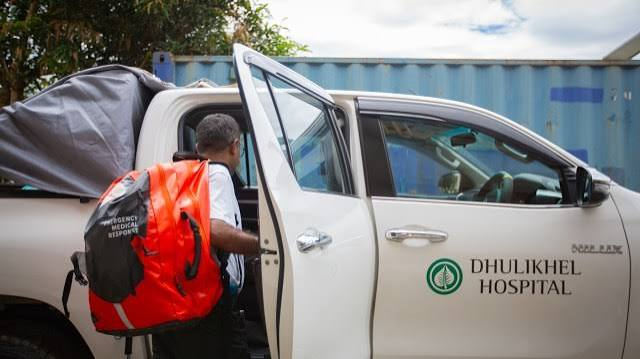
As the Democratic Republic of the Congo faces one of the deadliest Ebola outbreaks on record, humanitarian organization Direct Relief has delivered 53 tons of medical aid to support frontline health workers and affected communities. The supplies include protective equipment, diagnostic tools and essential medicines, arriving as confirmed cases in the DRC climbed to 11,504 by November 16, 2026, according to the World Health Organization.
The scale of the emergency is reflected not only in the rising case count but also in the pressure on hospitals, local clinics and health workers operating in areas affected by insecurity and displacement. For medical teams, protective clothing and reliable diagnostic supplies are essential tools. They help reduce exposure risks, identify infections and keep health services functioning while communities confront a serious public health crisis.
Direct Relief’s 53 Ton Medical Aid Operation
Direct Relief reported that, as of November 5, it had delivered 53 tons of medical aid valued at approximately $15 million at wholesale prices. The shipments were distributed to partners in the Democratic Republic of the Congo, Uganda and South Sudan. The aid included more than 425,000 personal protective equipment items intended to help protect health workers and others involved in the response.
The supplies go beyond protective clothing. Direct Relief said its assistance also includes diagnostic materials, medicines for infections, supportive care supplies for complications experienced by Ebola patients, medications for chronic illnesses and equipment needed to support field operations. This broader package matters because an outbreak can disrupt ordinary healthcare as well as services directly connected to Ebola treatment.
Local organizations play a central role in getting these materials to the people who need them. Direct Relief works with VillageReach, which coordinates distribution with the DRC’s National Public Health Institute and Ministry of Public Health. The aim is to move supplies beyond major transport hubs and into facilities and communities where frontline teams are working.
The organization has also provided emergency funding, including a $50,000 grant to Humanitarian Action for Africa for preparedness work in North and South Kivu. Its response involves coordination with other humanitarian and public health partners, including Africa Centres for Disease Control and Prevention and the International Organization for Migration.
Confirmed Ebola Cases Pass 11,500 in the DRC
The WHO’s November 16 figures recorded 11,504 confirmed cases and 5,630 confirmed deaths in the DRC. The outbreak has affected eight provinces, including Ituri, North Kivu, South Kivu, Tshopo, Haut Uele, Bas Uele, South Ubangi and North Ubangi. The figures underline the enormous burden placed on communities and the health system.
The outbreak is caused by the Bundibugyo virus, one of the species of virus that can cause Ebola disease. It is distinct from the Zaire species responsible for several previous outbreaks. Medical countermeasures developed for one Ebola species cannot automatically be assumed to work against another, making accurate identification and research especially important.
In remarks on November 11, WHO Director General Tedros Adhanom Ghebreyesus said the outbreak remained a public health emergency of international concern. He also pointed to signs of progress in some locations, including recoveries and slower transmission in certain early outbreak areas. However, he warned that new hotspots were continuing to emerge and that the overall emergency had not been brought under control.
The WHO’s assessment illustrates the complicated nature of outbreak response. A decline in infections in one location does not necessarily mean the wider epidemic is contained. Continued transmission in other areas can reverse progress, particularly when health teams cannot consistently reach communities, identify contacts or safely isolate people who may be infected.
Insecurity and Access Challenges Complicate the Response
Medical supplies are only one part of an effective Ebola response. Health workers must also be able to reach patients, collect samples, trace contacts and provide care without facing threats to their safety. In parts of eastern DRC, armed conflict, population displacement and difficult transport conditions have made those tasks considerably harder.
Insecurity can interrupt the movement of medical teams and supplies, delay the identification of infections and make it difficult to maintain consistent monitoring. When people are forced to leave their homes, health authorities may also struggle to locate contacts and follow up with individuals who could have been exposed.
WHO has identified insecurity as one of the major obstacles to controlling the outbreak. Its November 15 update described how conflict and humanitarian needs continue to affect access to communities. The agency reported that children account for more than a quarter of confirmed cases and approximately one third of deaths, highlighting the particular danger facing younger patients.
These conditions also place extraordinary demands on local healthcare workers. Protective equipment is essential, but it must be available in sufficient quantities and used correctly. Staff need training, safe working conditions, reliable transport and the resources to provide care over extended periods. Without those elements, even large shipments of supplies may not reach their full potential.
Why Protective Equipment and Routine Medical Care Matter
Ebola can spread through direct contact with the blood or bodily fluids of an infected person, or with contaminated materials. Healthcare workers treating patients are therefore at particular risk when protective measures are unavailable or inadequate. Gloves, gowns, masks, face protection and other protective equipment help reduce exposure when used as part of proper infection prevention procedures.
Diagnostic tools are equally important. Early identification allows health authorities to isolate suspected cases, arrange appropriate treatment and begin tracing people who may have been exposed. Delays can give the virus more opportunities to spread through households and healthcare settings.
The outbreak also threatens people who are not infected with Ebola. When clinics become overwhelmed or transport routes are disrupted, patients may struggle to receive treatment for malaria, injuries, chronic conditions and other illnesses. Delivering routine medicines alongside outbreak specific supplies can help prevent an emergency from causing additional health problems.
This is why Direct Relief’s reported shipments include chronic disease medications and broader medical supplies. Keeping local health facilities operational is a central part of protecting communities, especially where people have limited access to alternative healthcare providers.
A Regional Response Beyond the DRC
Although the DRC remains the centre of the outbreak, cases have also been reported in other countries. WHO and other public health agencies have monitored infections in Kenya and Nigeria, while Uganda has also been affected during the wider emergency. The movement of people across borders makes cooperation between neighbouring countries essential.
Medical support for partners in Uganda and South Sudan reflects the regional dimension of Direct Relief’s operation. Supplies and preparedness efforts can help health authorities strengthen screening, protect medical personnel and respond quickly if infections or suspected cases emerge. Cross border communication is also important for sharing information and coordinating public health measures.
International agencies continue to assess the risk and provide technical support. The World Health Organization publishes outbreak updates and guidance for health authorities, while humanitarian organizations work with local partners to deliver equipment and services. Effective cooperation depends on clear information, adequate funding and the ability to reach communities that are often difficult to access.
What Needs to Happen Next
The delivery of 53 tons of medical aid is a substantial contribution, but the volume of supplies alone cannot determine the outcome of the outbreak. Continued progress will depend on whether equipment reaches frontline workers, whether patients can access timely care and whether health teams can operate safely in affected areas.
Several priorities remain central to the response:
- Protect frontline workers: Maintain reliable supplies of protective equipment, training and infection prevention materials.
- Improve early detection: Expand access to testing, reporting and contact tracing so that infections can be identified sooner.
- Reach underserved communities: Support local health organizations and improve access to areas affected by conflict and displacement.
- Maintain essential healthcare: Keep routine medical services and supplies available while facilities respond to Ebola cases.
- Strengthen regional coordination: Share information and preparedness resources across borders to respond to possible spread.
Community trust is another essential part of this work. Public health teams need to communicate clearly about symptoms, transmission and available services while listening to local concerns. People are more likely to seek care and cooperate with health measures when they understand the reasons behind them and can access assistance without unnecessary barriers.
Humanitarian Support Remains Critical
For families affected by Ebola, the outbreak is not simply a set of statistics. It can mean losing relatives, travelling long distances for medical attention or living with uncertainty about whether a loved one has been exposed. For health workers, each shift can involve difficult decisions and personal risk. Behind every confirmed case is a person, a household and a community dealing with the consequences of a serious disease.
Direct Relief’s 53 ton delivery provides important material support at a time when the DRC’s healthcare system is under severe pressure. Its reported $15 million in medical aid and more than 425,000 protective equipment items represent a significant contribution, particularly when combined with the work of local organizations responsible for distribution.
Yet the outbreak’s continued spread shows why sustained support is necessary. Medical supplies must be replenished, health workers protected and communities reached consistently. The international response will need to remain focused not only on emergency treatment but also on the everyday healthcare services that people depend on.
With more than 11,500 confirmed cases reported in the DRC by November 16, the challenge remains immense. The latest aid delivery offers practical support to those working on the front lines, but lasting progress will require coordinated action, safe access to affected areas and continued investment in local healthcare. For the communities facing this outbreak, that sustained commitment may be as important as any single shipment.
Readers can follow humanitarian response updates and medical aid information through Direct Relief and the WHO’s official outbreak reporting.