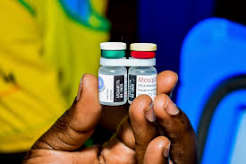
Two significant vaccine developments announced on November 20, 2026, have brought fresh hope to the fight against infectious diseases. Sanaria reported that its experimental genetically engineered malaria vaccine protected 87% of vaccinated volunteers from infection during a controlled clinical trial, including exposure to a malaria strain different from the one used to develop the vaccine. Separately, the European Commission approved Sanofi’s VaxRabeo rabies vaccine for people of all ages. The announcements address two diseases that continue to cause serious illness and death worldwide, although the findings represent different stages of medical progress.
The malaria results offer encouraging evidence that a weakened whole parasite vaccine may protect against genetically different strains of the disease. The European approval, meanwhile, gives healthcare providers another option for preventing rabies before or after a potential exposure. Neither development means that the diseases have been defeated, but both demonstrate how vaccine research and regulatory decisions can contribute to stronger public health protection.
Sanaria Reports 87% Protection in Malaria Vaccine Trial
Biotechnology company Sanaria announced results from a Phase 1 clinical trial of its PfSPZ LARC2 malaria vaccine. The study involved 22 healthy adults who had never previously had malaria. Researchers reported that 13 of the 15 volunteers who received the experimental vaccine remained free of infection after a controlled malaria challenge. All seven participants who received a placebo became infected.
Based on these results, the vaccine demonstrated an efficacy estimate of 87% against infection in the trial. Two vaccinated participants did develop malaria, meaning the vaccine did not provide complete protection. However, researchers also reported that those two volunteers had lower parasite levels in their blood than participants in the placebo group.
The findings were presented at the annual meeting of the American Society of Tropical Medicine and Hygiene. The trial was conducted with researchers at the University of Washington and used a randomized, double blind, placebo controlled design. This approach helps reduce the influence of expectations and other factors that could affect how trial results are interpreted.
Why Protection Against a Different Malaria Strain Matters
One of the most notable features of the trial was the genetic difference between the parasite used to develop the vaccine and the parasite used during the challenge. The vaccine was developed using a strain originating in West Africa, while participants were exposed to the 7G8 strain, which originated in South America. The challenge took place approximately 12 to 16 weeks after the volunteers received their final vaccine dose.
This distinction matters because malaria parasites are not genetically identical across the world. Different regions contain different parasite populations, and those variations can complicate efforts to develop vaccines that provide broad protection. A vaccine that works against only a narrow group of strains may have limited usefulness in communities where several forms of the parasite circulate.
Protection against a genetically different strain therefore offers an encouraging sign that the immune response generated by PfSPZ LARC2 may recognize a broader range of malaria parasites. Still, the result should be interpreted carefully. The study involved a small number of healthy adults under controlled conditions. It does not establish how well the vaccine will perform among children, pregnant women, people with previous malaria exposure, or entire communities living in regions where the disease is common.
How the Genetically Engineered Vaccine Works
PfSPZ LARC2 uses live Plasmodium falciparum parasites, the species responsible for the most severe forms of human malaria. Scientists have genetically modified these parasites by removing two genes, known as PfMei2 and PfLINUP. These changes are designed to prevent the parasite from completing its development in the liver and moving into the bloodstream, where malaria infection causes illness.
Normally, an infected mosquito introduces malaria parasites into a person’s body. The parasites travel to the liver, multiply inside liver cells and eventually enter the bloodstream. Once there, they infect red blood cells and trigger the symptoms associated with malaria, including fever, chills, fatigue and potentially life threatening complications.
The engineered parasites in PfSPZ LARC2 are designed to develop further in the liver than some earlier weakened parasite candidates, but stop before producing the forms needed to enter the blood. This gives the immune system an opportunity to encounter a wide range of parasite proteins without allowing the vaccine organism to progress into a disease causing blood stage.
Researchers believe this broader exposure may help the body develop a stronger immune response. The trial findings included antibody responses and activity from CD4 and CD8 T cells. CD8 T cells, sometimes described as killer T cells, are particularly relevant because they can identify and destroy infected liver cells before parasites reach the bloodstream.
Safety Findings and the Limits of Early Research
Although the 87% efficacy figure attracted attention, the trial’s primary objective was to assess safety and confirm that the engineered parasite remained properly weakened. Sanaria reported that the vaccine parasite did not escape the liver during the study. Across 46 vaccinations, researchers detected no vaccine related breakthrough infection in the bloodstream.
The company also reported no vaccine related serious adverse events and no severe vaccine related side effects. One temporary laboratory finding involved a decrease in a type of white blood cell called neutrophils. The participants who developed malaria during the challenge were monitored and treated promptly.
These findings are encouraging, but a Phase 1 study cannot establish the full safety profile of a vaccine or prove that it will work under ordinary living conditions. The small trial population also means that the efficacy estimate has considerable uncertainty. The reported confidence interval ranged from 60% to 99%, illustrating why larger studies are necessary before drawing firm conclusions.
Sanaria has said that further research is underway, including studies in malaria affected regions. Larger trials will need to examine how the vaccine performs in people who have experienced repeated malaria exposure and whether the protection seen in the controlled challenge can be reproduced in everyday conditions.
European Commission Approves Sanofi’s VaxRabeo Rabies Vaccine
Alongside the malaria announcement, Sanofi confirmed that the European Commission had approved its VaxRabeo vaccine for pre exposure and post exposure prevention of rabies in people of all age groups. The approval was announced on November 19, following a positive recommendation from the European Medicines Agency’s Committee for Medicinal Products for Human Use on September 17, 2026.
VaxRabeo contains an inactivated rabies virus strain known as Wistar. It is manufactured using Vero cell technology, a production method used in vaccine development. Because the virus is inactivated, it cannot cause rabies. The vaccine works by encouraging the immune system to produce antibodies capable of recognizing and neutralizing the virus.
The approval covers two important uses. Pre exposure prophylaxis is vaccination given before a person faces a possible risk of infection. It may be recommended for people whose work, travel or living conditions increase their chances of encountering potentially infected animals. Post exposure prophylaxis is given after a possible exposure, such as a bite or scratch from an animal suspected of carrying rabies.
Why Rabies Vaccination Remains a Public Health Priority
Rabies is a viral disease that affects the central nervous system. It is usually transmitted through the saliva of an infected animal, most commonly when an infected dog bites a person. Other mammals, including bats, foxes, raccoons and cats, can also transmit the virus.
The World Health Organization estimates that rabies causes approximately 59,000 deaths each year. The disease is present in around 150 countries, with much of the human death burden concentrated in Asia and Africa. Children are particularly vulnerable because they may be more likely to encounter animals and less able to recognize or report a dangerous bite.
Rabies is preventable through timely vaccination, but once clinical symptoms develop, the disease is almost always fatal. This makes rapid action after a suspected exposure essential. A person who has been bitten or scratched by a potentially infected animal should wash the wound thoroughly with soap and running water and seek urgent medical assessment. Healthcare professionals can determine whether rabies vaccination and rabies immunoglobulin are required.
VaxRabeo is intended to support both preventive vaccination and treatment following exposure. Sanofi reported that clinical studies found protective antibody responses comparable to those produced by its existing rabies vaccines. The studies also found that participants receiving the vaccine after exposure achieved protective antibody levels, with results supporting its use alongside rabies immunoglobulins when indicated.
Storage and Clinical Benefits of the New Rabies Vaccine
Sanofi has highlighted several practical features of VaxRabeo. The vaccine has a reported shelf life of five years and can remain stable at temperatures up to 27 degrees Celsius for 96 hours before reconstitution. These characteristics may be useful in healthcare settings where maintaining reliable cold storage can be difficult.
Storage requirements matter because rabies prevention depends on vaccines reaching people quickly, including in areas with limited medical infrastructure. A product with improved temperature stability could offer additional flexibility for distribution and handling. However, actual use will still depend on approved storage instructions, local regulatory requirements and the availability of trained healthcare professionals.
The European approval also reflects clinical comparisons with Sanofi’s existing rabies vaccines, including Verorab and Imovax Rabies. The company reported comparable protective antibody levels in pre exposure studies, a similar immune response in post exposure studies and an acceptable safety profile. The European Medicines Agency’s positive assessment supported the subsequent marketing authorization decision.
What These Developments Mean for Global Disease Prevention
The malaria and rabies announcements highlight two different challenges in infectious disease prevention. Malaria vaccine researchers are working to create protection against a parasite that changes genetically across regions and has a complex life cycle. Rabies prevention relies on rapid access to established vaccination strategies, particularly in communities where contact with potentially infected animals remains common.
For malaria, the most important next step is testing PfSPZ LARC2 in larger and more diverse populations. Researchers must establish whether the strong protection observed in a controlled challenge can translate into meaningful reductions in infections in endemic communities. They will also need to determine the most effective dose schedule, how long protection lasts and whether the vaccine can be delivered at a practical scale.
For rabies, the European authorization is a regulatory milestone rather than an indication that the disease has become less dangerous. Its public health value will depend on availability, healthcare access, vaccination awareness and timely treatment after exposure. People should continue following local medical guidance rather than assuming that a newly approved vaccine changes the urgency of seeking care after an animal bite.
A Promising Step, With More Work Ahead
The 87% malaria vaccine result is an encouraging early signal, particularly because protection was observed against a genetically different parasite strain several months after vaccination. It provides further support for research into genetically weakened whole parasite vaccines. Yet the small study population and controlled challenge conditions mean that larger clinical trials must confirm whether the approach can protect people living with malaria every day.
Sanofi’s VaxRabeo approval offers another development in the prevention of a disease that remains almost universally fatal after symptoms begin. Its authorization for all age groups and its use before and after exposure could give European healthcare systems an additional vaccination option.
Both announcements reinforce a central lesson in public health: scientific progress matters most when it reaches the people who need protection. A promising vaccine must pass rigorous testing, receive appropriate regulatory approval and become accessible through reliable healthcare systems. For families living with the threat of malaria or rabies, those steps are not abstract scientific milestones. They represent the possibility of fewer infections, fewer preventable deaths and greater confidence in the protection available to their communities.
More information about the diseases and prevention measures is available through the World Health Organization’s resources on malaria and rabies.