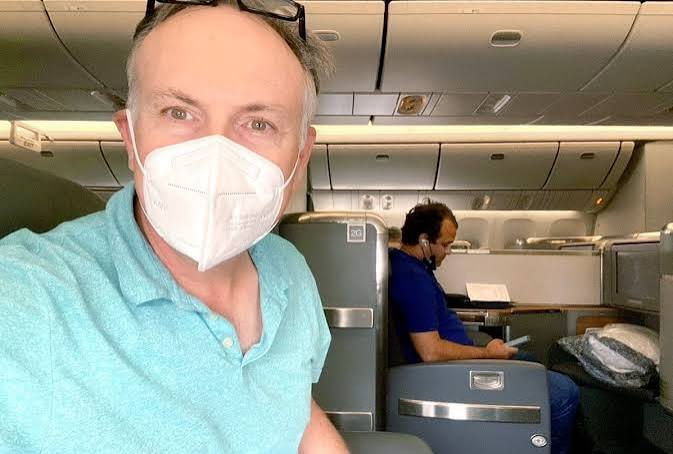
As holiday travel builds across the Northern Hemisphere, crowded airports and full aircraft cabins can bring travelers into close contact with people carrying respiratory infections. Public health guidance offers practical ways to reduce that risk, from choosing a well fitting mask to keeping hands clean. However, no specific new global advisory issued on November 27, 2026, could be verified. The precautions below reflect established guidance from health authorities, rather than a newly announced set of rules.
Cabin air filtration helps, but it is not a guarantee
Modern commercial aircraft are designed to renew cabin air frequently. On many large jets, outside air is mixed with recirculated air that passes through high efficiency particulate air filters. These systems capture a large share of airborne particles and help limit the spread of infectious material through the cabin.
The US Centers for Disease Control and Prevention explains that cabin air is typically refreshed 20 to 30 times an hour. Airflow is generally arranged in zones, which can limit how far particles travel. But filtration cannot remove every risk. Passengers sit close together, and respiratory particles can reach someone nearby before cabin air is filtered or replaced.
Travelers should also remember that the airport journey includes more than the time spent in the air. Check in lines, boarding areas, jet bridges and crowded terminals can bring people together in spaces with different ventilation conditions. The risk is not limited to the aircraft cabin.
When a mask can make a difference
A well fitting, high quality mask or respirator can reduce exposure to respiratory particles, particularly when worn consistently in crowded indoor settings. Travelers may consider wearing one during airport queues, boarding and deplaning, as well as during the flight. People at higher risk of severe illness may wish to discuss additional precautions with a healthcare professional before departure.
Mask use is also a considerate choice for people who develop respiratory symptoms while traveling. Anyone who feels unwell should avoid exposing others where possible, follow airline instructions and consider postponing travel if they may be contagious. If travel cannot be delayed, wearing a mask, covering coughs and sneezes, and limiting close contact can help reduce the chance of spreading infection.
Rules can vary by airline and destination. Passengers should check current requirements before leaving and follow directions from cabin crew and airport staff.
Surface hygiene still matters
Respiratory viruses can spread through the air and, in some circumstances, through contaminated hands or surfaces. A traveler may touch a seat back, tray table, lavatory handle or shared screen and then touch their eyes, nose or mouth. Cleaning hands before eating and after using the restroom can reduce the chance of transferring germs.
Health authorities advise washing hands with soap and water or using an alcohol based hand sanitizer when washing is not available. Travelers can also use disinfectant wipes on frequently touched hard surfaces, following product directions. Surface cleaning should complement, not replace, ventilation, masking when appropriate and respiratory etiquette.
Passengers do not need to disinfect every object they encounter. A more useful approach is to focus on hand hygiene, avoid touching the face with unwashed hands, and clean personal items or surfaces that are likely to be touched repeatedly.
Flu season adds urgency to routine precautions
Influenza typically circulates most widely in temperate parts of the Northern Hemisphere during the winter months, often from December through February. That seasonal pattern makes late November a sensible time to review travel plans, especially for older adults, young children, pregnant people and those with certain chronic health conditions.
Flu vaccination remains an important preventive measure. Travelers should ask a healthcare professional whether they are up to date on recommended vaccines and whether any additional steps are appropriate for their destination. People with symptoms before departure should seek medical advice and check airline policies rather than assuming they are fit to fly.
Respiratory illness is not the only concern during international travel. Travelers should also review destination specific health requirements, carry necessary medications and know how to access medical care if symptoms become serious. The US Centers for Disease Control and Prevention provides travel health information, including guidance on respiratory illness and air travel.
What airlines and passengers can do
Airlines have a role in maintaining ventilation systems, cleaning cabins and following procedures when a passenger becomes ill. Cabin crew are trained to respond to medical situations and should be informed if a traveler develops concerning symptoms during a flight. Passengers can support those efforts by following crew instructions and reporting illness promptly.
Travelers can take several practical steps before and during a journey:
- Check health and entry requirements for the destination before departure.
- Consider a well fitting mask in crowded indoor areas, especially during boarding and deplaning.
- Clean hands before eating and after using shared facilities.
- Cover coughs and sneezes with a tissue or bent elbow, and dispose of used tissues safely.
- Seek medical advice if symptoms develop before travel, particularly if the traveler is at increased risk of severe illness.
Reducing risk without creating unnecessary alarm
Air travel does not make infection inevitable. Modern cabin ventilation provides an important layer of protection, and straightforward personal precautions can add to it. The aim is not to make passengers fearful of flying, but to help them make informed decisions while sharing enclosed spaces with others.
For the latest travel health advice, passengers can also consult the World Health Organization and their national public health authority. Guidance may change as respiratory viruses circulate, so checking reliable information close to departure is more useful than relying on a general headline.
With holiday journeys approaching, a little preparation can help protect both travelers and the people around them. Clean hands, thoughtful mask use, attention to symptoms and respect for airline instructions remain practical steps for a safer trip.