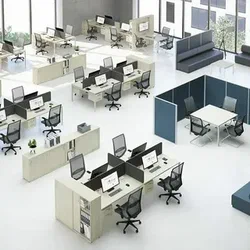
A conference table is more than just a large piece of furniture in the middle of a meeting room. It serves as the central hub where collaboration, decision-making, and strategic planning take place. In today’s corporate world, the right conference table sets the tone for productive discussions, impactful presentations, and professional impressions. When selecting a conference table, companies should consider not only the aesthetics but also its size, shape, functionality, and how it complements the dynamics of the workplace. The perfect table should accommodate teams comfortably, support technological integration, and enhance the overall meeting experience. A well-chosen conference table reflects a company’s professionalism and commitment to effective communication, making it an essential investment for every forward-thinking organization.
Understanding Different Types of Conference Tables
Modern businesses have diverse needs, and thankfully, there is no one-size-fits-all when it comes to conference tables. Depending on the purpose, size of the room, and number of users, organizations can choose from several styles. The most common types include rectangular, boat-shaped, oval, round, and modular tables. Rectangular tables are classic and ideal for formal settings. Boat-shaped conference tables slightly curve at the sides, offering better sightlines during meetings. Oval and round tables promote a more collaborative environment by eliminating hierarchy and promoting equal participation. Modular conference tables provide the most flexibility, allowing users to rearrange components based on specific requirements such as breakout sessions or training. Each design supports different business goals, so understanding the function of the space is key to making the right choice.
Factors to Consider Before Buying a Conference Table
Before investing in a conference table, several critical factors should be taken into account to ensure it meets both functional and visual needs. First, room size plays a pivotal role. A table that’s too large can make the space feel cramped, while a table that’s too small can be inefficient and underwhelming. Consider leaving at least three feet of clearance around the table for easy movement. Second, seating capacity should match your usual meeting headcount, with a few extra seats for occasional guests. Third, think about the material and finish—whether it’s wood, glass, laminate, or metal. These elements influence both the durability and the ambiance of the room. Fourth, incorporate technology. Modern conference tables often include built-in cable management systems, power outlets, USB ports, and video conferencing compatibility. A well-thought-out selection not only boosts functionality but also aligns with the brand’s corporate identity.
Enhancing Team Collaboration With the Right Conference Table
In collaborative work environments, the design and layout of the meeting space significantly affect group dynamics. A thoughtfully selected conference table encourages interaction and enables smoother communication. For instance, round or oval tables eliminate sharp corners and place everyone at equal distance, fostering more inclusive discussions. On the other hand, boat-shaped tables improve eye contact, which is vital for presentations and negotiations. When paired with ergonomic seating and good acoustics, the conference area becomes an engaging space where ideas flow freely and decisions are made efficiently. The size of the table also matters; it should be large enough to allow everyone to spread out their documents or devices, yet compact enough to maintain a sense of connection. An effective conference table becomes a silent contributor to your team’s collaboration and productivity.
Matching Conference Tables With Office Interior Design
Aesthetics and branding play an integral role in modern office design, and your conference table should complement the overall décor. Whether your office style is minimalist, industrial, traditional, or high-tech, the table must align with that theme. Dark wood finishes convey elegance and authority, while white or lighter hues create a clean, contemporary look. Glass conference tables are sleek and modern, ideal for tech-driven environments. If your office includes bold accent colors or artistic elements, consider a table that integrates those hues subtly to create a cohesive atmosphere. Even the shape and base design of the table can influence the room’s visual flow. Details like edge finishes, leg styles, and tabletop textures contribute to the character of the space. A harmonized design creates a pleasant and professional ambiance that positively affects clients, employees, and stakeholders alike.
Smart Conference Table Features for Modern Offices
Today’s conference tables go far beyond basic functionality. With technology increasingly integrated into daily business operations, smart features are a must. Built-in power outlets, HDMI ports, wireless charging pads, and cable management systems make meetings more efficient and reduce clutter. Some advanced models also come with pop-up media ports, adjustable heights, or even embedded microphones and speakers. These enhancements save time during setup, support seamless presentations, and allow for uninterrupted digital collaboration. Moreover, modern conference tables are often made with sustainable materials and engineered wood, making them an eco-friendly choice. Businesses that value innovation and sustainability should look for tables that combine both smart features and environmentally conscious construction. Upgrading to a modern conference table not only boosts operational efficiency but also reflects a company’s commitment to progress and professionalism.
Custom Conference Tables for Unique Business Needs
Every business has unique space requirements and workflow needs, which is why custom conference tables are becoming increasingly popular. Tailor-made tables allow companies to select dimensions, materials, finishes, shapes, and features based on their specific environment and branding. For example, a creative agency might opt for a colorful, asymmetrical table with writable surfaces to support brainstorming sessions, while a law firm may prefer a large, formal wooden table that conveys prestige. Customization also extends to technological integration, where companies can request custom ports and charging systems tailored to their devices. Moreover, modular customization allows teams to reconfigure tables for different functions, such as training, board meetings, or hybrid setups. Investing in a customized conference table means businesses are not just buying furniture—they are designing a productivity solution that fits their identity and supports their operations.
Conclusion: Making the Smart Investment in a Conference Table
A conference table is more than a meeting surface—it is a strategic asset that shapes how teams collaborate and how clients perceive your business. By evaluating the purpose, space, and required features, companies can select a table that enhances both functionality and aesthetics. In today’s evolving workplaces, where flexibility, connectivity, and branding matter more than ever, investing in the right conference table becomes crucial. For businesses looking to make a long-term, value-driven purchase, trusted providers like Office Furniture Supplier Philippines offer expertly designed solutions tailored to diverse corporate needs. Make your meeting space count by choosing a table that truly works for your team and your goals.