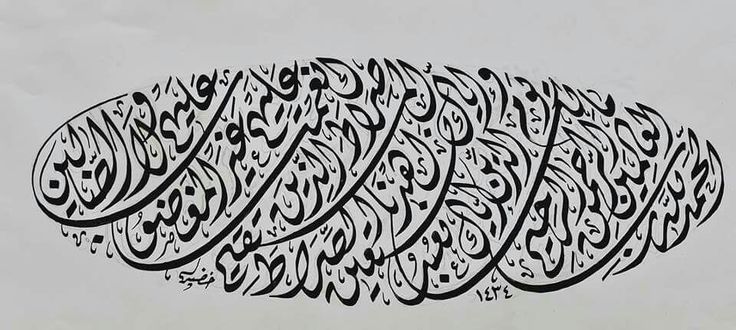
Arabic calligraphy is more than just beautiful writing—it’s an expression of culture, history, and faith. With its fluid lines, rhythmic patterns, and spiritual significance, Arabic calligraphy has captivated audiences for centuries. From ancient manuscripts to modern-day art installations, this traditional art form continues to evolve while retaining its deep-rooted essence. In cities like Dubai, where tradition meets innovation, the appreciation and practice of calligraphy have found a prominent place. In this article, we explore the origins, styles, and modern-day influence of Arabic calligraphy, with a closer look at how Dubai calligraphy is shaping the future of this timeless craft.
Rich History of Arabic Calligraphy
Arabic calligraphy dates back to the 7th century, originating alongside the revelation of the Quran. Early Muslim scholars and scribes dedicated themselves to perfecting the script to preserve the holy text with precision and elegance. Over time, it evolved from a method of documentation into a revered art form. It became not only a way to convey religious messages but also a decorative feature for architecture, textiles, and everyday objects.
One of the defining aspects of Arabic calligraphy is its close connection with Islam. Calligraphers often use the script to write verses from the Quran, religious phrases, or the names of Allah and the Prophet Muhammad (PBUH). This spiritual component adds a layer of sanctity to the art, making it deeply respected across the Islamic world.
Popular Styles of Arabic Calligraphy
There are several classical styles of Arabic calligraphy, each with its own distinct features. Among the most well-known are:
Kufic: One of the oldest styles, Kufic is characterized by its angular and geometric shapes. It was widely used in early Qurans and architectural designs.
Naskh: Known for its clarity and readability, Naskh is commonly used in printed Arabic texts and books.
Thuluth: This elegant and complex script is often used in mosque decorations and ceremonial writing. Its curved letters and long vertical lines make it visually striking.
Diwani: Developed during the Ottoman Empire, Diwani is a highly decorative script used in royal decrees and official documents.
Modern Influences in Dubai Calligraphy
Dubai, a global hub of culture and innovation, has become a prominent center for Arabic calligraphy. Artists in Dubai are blending traditional techniques with contemporary styles, using calligraphy in digital art, fashion, interior design, and public installations. This fusion of old and new has given birth to a fresh wave of creative expression that resonates with both local and international audiences.
What sets Dubai calligraphy apart is its adaptability. In a city where skyscrapers touch the clouds and luxury defines lifestyle, calligraphy finds its place on everything from hotel lobbies to urban murals. This modern take on Arabic calligraphy is not just about aesthetics—it’s a celebration of identity, history, and the region’s deep cultural heritage.
Calligraphy as Cultural Identity
In many Middle Eastern cultures, calligraphy is more than decoration—it is a symbol of pride and a way of connecting with one’s roots. In Dubai, the resurgence of calligraphy in modern design and art is helping to reinforce national identity. Government buildings, airports, and educational institutions incorporate calligraphic art to reflect the country’s Islamic heritage while embracing global design standards.
Educational initiatives and cultural festivals in the UAE also play a significant role in promoting Arabic calligraphy. Events like the dubai calligraphy Biennale offer platforms for artists to showcase their work, collaborate, and teach others. These efforts help preserve the integrity of traditional scripts while encouraging innovation.
Arabic Calligraphy in Interior Design and Decor
In recent years, Arabic calligraphy has become a popular element in interior design. Whether in homes, offices, or hotels, beautifully crafted calligraphy adds a touch of sophistication and spiritual depth. Designers in Dubai often use calligraphic motifs on feature walls, cushions, carpets, and even ceilings to create spaces that feel both luxurious and rooted in tradition.
With a rising interest in personalized and meaningful decor, custom calligraphy pieces have become increasingly sought after. Clients often commission artists to create bespoke designs featuring names, favorite quotes, or Quranic verses. These artworks not only serve as decoration but also carry emotional and spiritual significance.
Digital Evolution of Arabic Calligraphy
Technology has transformed the way artists approach Arabic calligraphy. With tools like digital tablets and design software, contemporary calligraphers can experiment with new forms and mediums while maintaining the core principles of balance and proportion. In Dubai, tech-savvy artists are exploring augmented reality, motion graphics, and 3D modeling to breathe new life into this ancient art.
Social media has also played a crucial role in spreading the appeal of Arabic calligraphy. Artists share their creations on platforms like Instagram and TikTok, reaching global audiences and inspiring the next generation of calligraphers. This accessibility has led to a renewed interest in learning the craft, especially among younger people.
Preserving the Art for Future Generations
While innovation is important, preserving the traditional aspects of Arabic calligraphy is equally vital. In Dubai, art schools, cultural centers, and private institutions offer calligraphy courses to ensure that the knowledge is passed down accurately. These classes teach students the foundational scripts, proper techniques, and the philosophy behind each stroke.
Mentorship programs and apprenticeships with master calligraphers help maintain the discipline and artistry that define true calligraphy. Through exhibitions, workshops, and collaborations, Dubai continues to nurture a thriving community dedicated to keeping the tradition alive.
Global Appeal of Arabic Calligraphy
Arabic calligraphy is no longer confined to the Arab world—it has gained international recognition as a sophisticated and meaningful art form. Art collectors, designers, and enthusiasts from around the globe are drawn to its intricate beauty and cultural depth. Dubai, with its cosmopolitan vibe and artistic innovation, serves as a gateway for introducing Arabic calligraphy to new audiences.
By supporting local artists, investing in public art, and integrating calligraphy into branding and architecture, Dubai has positioned itself as a global ambassador for this revered tradition.
Conclusion
Arabic calligraphy continues to flourish as both a historical treasure and a contemporary art form. In a city like Dubai, where tradition meets modernity, the evolution of calligraphy is not just about visual appeal—it’s a testament to cultural pride, creativity, and resilience. From ancient manuscripts to digital masterpieces, Arabic calligraphy bridges generations and transcends borders. As Dubai calligraphy gains momentum, it invites the world to appreciate the elegance, depth, and soul of one of the most iconic art forms ever created.