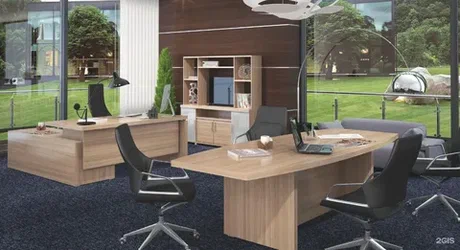
Office design has evolved significantly over the years, and one of the most impactful elements in modern workplaces is the strategic use of office partitions. These flexible and functional installations not only shape how a workspace looks but also deeply influence how employees interact, collaborate, and focus. Whether in small startups or large corporate environments, partitions offer a balance between privacy and openness, making them an essential part of any well-thought-out office layout. The choice of office partitions reflects a company’s culture and work style, contributing to better employee satisfaction, noise control, and even increased productivity. With a variety of materials, styles, and installation options available today, choosing the right office partition system is both an art and a science that can transform workspaces into efficient, aesthetically pleasing environments.
Types of Office Partitions and Their Functional Roles
There are several types of office partitions available, each serving specific functional and aesthetic roles. One of the most common types is the floor-to-ceiling partition, which acts like a permanent wall but is often made of glass, laminate, or acoustic panels to promote sound insulation and visual separation. These are ideal for creating private offices or meeting rooms without the commitment of traditional construction. On the other hand, half-height or cubicle partitions are widely used in open-plan settings to provide individual workspaces while maintaining a sense of community and openness. Glass office partitions, in particular, have gained immense popularity due to their sleek look and ability to allow natural light to penetrate deeper into the workspace, reducing the need for artificial lighting. Meanwhile, movable and modular partitions offer the highest level of flexibility, allowing companies to reconfigure their office layout with ease based on changing team sizes or functional needs. Each type serves to optimize different aspects of workplace design, such as privacy, communication, and space utilization.
Benefits of Office Partitions in the Modern Workplace
Office partitions bring numerous advantages to both employers and employees. Firstly, they help reduce noise levels, a major concern in bustling office environments. Acoustic partitions can effectively block or absorb sound, creating quieter zones ideal for concentration and focused tasks. Secondly, partitions offer a sense of privacy, which can enhance employee comfort and reduce stress, especially in open-plan offices where distractions are common. In addition, office partitions help in clearly defining different zones such as workstations, meeting areas, and lounge spaces, ensuring that each part of the office has a dedicated purpose. From an organizational perspective, partitions also enable better space management and scalability. As teams grow or project needs shift, modular partitions can be rearranged without significant renovations, saving both time and cost. Visually, partitions can contribute to the branding and interior design of a company, with customizable colors, textures, and finishes that align with a company’s aesthetic. Overall, partitions are more than physical dividers—they are tools for enhancing workplace performance and adaptability.
Choosing the Right Office Partition System
Selecting the right office partition system depends on several factors including office size, workflow patterns, budget, and brand identity. For example, businesses that value collaboration and transparency might lean toward glass partitions, which encourage openness while still offering some sound control. Organizations that require confidentiality, such as law firms or consulting agencies, may benefit more from solid partitions with enhanced acoustic performance. Material choice is also crucial: glass, aluminum, and fabric-clad panels each come with different levels of durability, maintenance, and acoustic properties. Consideration should also be given to installation flexibility—demountable and reconfigurable systems are excellent for dynamic work environments. It’s also important to think about lighting and ventilation when installing partitions; ensuring these systems don’t obstruct HVAC or natural light flow is key. Many companies work with interior designers or space planners to choose a partition solution that aligns with their operational goals and corporate culture. Making the right choice can have a long-term positive impact on employee morale and office efficiency.
Design Trends and Customization in Office Partitions
Modern office partitions are not only functional but are also a key part of interior design trends. Today’s businesses are increasingly focusing on aesthetics as well as ergonomics, and office partitions play a significant role in striking that balance. One of the top trends is the use of transparent or frosted glass, which creates a sleek, modern feel while still providing privacy. Patterns, etching, or branding on glass partitions allow for customization that reinforces corporate identity. Another trend is the use of sustainable materials like recycled aluminum or eco-friendly panels, supporting green building practices. Color psychology is also being considered in partition design—calming blues for quiet zones, energetic yellows for collaboration areas, and neutral tones for general workspaces. Many partitions now come with integrated features like whiteboards, acoustic treatments, and even digital displays, transforming them into multifunctional tools. This emphasis on customization helps companies align their physical environment with their mission, values, and work processes, making partitions an extension of the company culture itself.
Office Partitions and Employee Wellbeing
There is a growing body of evidence showing that well-designed office environments contribute significantly to employee wellbeing, and office partitions are a big part of that equation. Partitions provide employees with their own space, reducing visual and auditory distractions that can lead to cognitive fatigue. This sense of territoriality is essential for mental clarity and productivity. Furthermore, partitions allow for ergonomic setups tailored to individual preferences, such as adjustable desks or acoustic panels that reduce noise interference. For companies embracing hybrid work models, partitions also help in creating “hot desk” zones that balance privacy and flexibility. Another important aspect is the contribution of partitions to indoor air quality and cleanliness—easy-to-clean partition materials can help maintain hygiene in shared spaces, a crucial concern post-pandemic. By offering control over one’s immediate work area, partitions enhance the sense of comfort and autonomy, leading to better job satisfaction and reduced turnover. Simply put, investing in the right partition system is an investment in employee health and happiness.
Conclusion: Smarter Workspaces Start with the Right Office Partitions
In the evolving landscape of workspace design, office partitions have emerged as both practical and strategic solutions to numerous workplace challenges. From enhancing privacy and acoustic comfort to supporting collaboration and brand expression, these versatile elements offer far more than simple space division. Businesses looking to modernize their offices or improve efficiency should view partitions not just as physical additions, but as integral parts of a broader workplace strategy. When selected and implemented thoughtfully, they help foster an environment that supports productivity, flexibility, and employee wellbeing. For companies aiming to upgrade their workspaces with innovative partition systems, Office Furniture provides reliable and customizable solutions tailored to meet modern demands while enhancing both style and functionality.