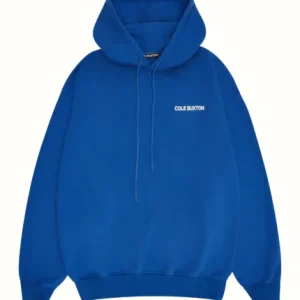
Beyond the Hype — A Deeper Look at Ethical Streetwear
In the world of streetwear, where aesthetics and hype often dominate the conversation, the ethical backbone of a garment can sometimes get lost in the shuffle. Yet, for brands like Cole Buxton, authenticity goes beyond graphics and silhouettes. The Cole Buxton hoodie is more than a cult-favorite staple among fashion insiders—it represents a meticulous, mindful journey from raw fiber to finished product. This journey is rooted in ethical production practices, sustainable sourcing, and a dedication to quality craftsmanship. As consumers become increasingly conscious of where their clothes come from, the importance of transparency, labor ethics, and environmental responsibility grows. In this article, we trace the entire lifecycle of the Cole Buxton hoodie, exploring how each phase aligns with the brand’s commitment to responsible fashion.
The Origins: Choosing the Right Fibers with Purpose
The ethical story of a cole buxton begins with the most fundamental element: the fiber. Instead of opting for low-cost synthetics or questionably sourced cotton, Cole Buxton uses heavyweight cotton of the highest quality. The brand chooses cotton grown on farms that follow responsible agricultural practices—using less water, avoiding harmful pesticides, and ensuring fair treatment of farmers. In many cases, this cotton is sourced from producers certified by globally recognized bodies like the Better Cotton Initiative (BCI) or GOTS (Global Organic Textile Standard), which promote ecological and social criteria for sustainable agriculture. By prioritizing clean, traceable cotton, Cole Buxton not only reduces environmental harm but also supports the health and wellbeing of farming communities.
The Spinning Process: Sustainability in Every Thread
Once the cotton is harvested, it moves to the spinning phase, where raw fibers are transformed into yarn. Cole Buxton partners with mills that maintain high environmental and labor standards. These facilities often use energy-efficient machinery and aim to minimize waste and carbon emissions during production. Ethical manufacturing at this stage also means ensuring that workers are paid living wages, provided safe working conditions, and protected by labor laws. The yarns used in Cole Buxton hoodies are not just about durability—they are a product of ethical decisions made at every turn. Every thread spun is a statement against fast fashion and exploitation.
Fabrication: Heavyweight Cotton Built to Last
The next stage involves knitting the yarn into fabric—a step that defines the tactile identity of the Cole Buxton hoodie. Known for its heavyweight loopback jersey, the fabric is thick, plush, and incredibly durable. But this strength is not a result of overproduction or industrial aggression; it comes from thoughtful craftsmanship and precise engineering. The brand works with small to mid-sized mills in the UK and Europe that produce in limited quantities, helping to reduce overproduction and fabric waste. Ethical sourcing also means maintaining strong, transparent relationships with suppliers to ensure continued adherence to fair labor practices. By resisting the temptation to outsource to cheaper, unregulated markets, Cole Buxton preserves both the integrity of the garment and the dignity of the workforce.
Dyeing and Finishing: Minimizing Environmental Impact
Dyeing is often one of the most chemically intensive and environmentally harmful stages of garment production. However, Cole Buxton takes special care in this process by working with dye houses that follow stringent environmental protocols. This includes the use of low-impact, azo-free dyes and closed-loop water systems that recycle and treat wastewater before releasing it. Furthermore, the finishing techniques used—such as enzyme washing and softening—are chosen not only for their tactile benefits but also for their minimal ecological footprint. These efforts ensure that the finished fabric retains its rich color and softness without sacrificing the planet’s wellbeing.
Design Philosophy: Function Meets Minimalism
Design is where the philosophy of cole buxton sale truly comes alive. Inspired by classic sportswear and modern minimalism, each hoodie is designed with both aesthetics and functionality in mind. But more importantly, the design process itself is rooted in ethical considerations. Cole Buxton rejects trend-chasing in favor of timeless silhouettes that encourage longevity in wear. Fewer designs, fewer seasonal drops, and a focus on quality over quantity mean that each piece is made to last—not just through seasons, but through years. This slow fashion mindset significantly reduces waste and discourages the throwaway culture prevalent in mainstream apparel.
Local Manufacturing: Crafted in the UK
One of the core pillars of Cole Buxton’s ethical approach is its commitment to local manufacturing. Unlike many brands that shift production overseas to cut costs, Cole Buxton manufactures the majority of its garments in the UK. This allows for greater oversight, reduced shipping emissions, and tighter quality control. Moreover, by keeping production close to home, the brand supports local economies and ensures that all workers involved in garment construction are treated fairly and paid ethically. Each hoodie is cut, sewn, and assembled by skilled artisans who take pride in their work—ensuring not just craftsmanship, but respect for human labor.
Less Waste, More Thought
Packaging may seem like an afterthought, but for a truly ethical product, it’s part of the story. Cole Buxton uses minimal and recyclable packaging materials, avoiding excessive plastic and opting for materials that have less environmental impact. Whether it’s biodegradable garment bags, recyclable cardboard boxes, or compostable labels, every element is thoughtfully considered. This attention to packaging reflects the brand’s holistic view of sustainability—understanding that ethics shouldn’t stop at the garment but extend through every consumer touchpoint.
Distribution and Carbon Footprint
Getting the hoodie from factory to customer is another area where Cole Buxton exercises ethical discretion. The brand works with shipping partners who are taking steps toward carbon neutrality, including the use of electric vehicles and optimized delivery routes. In some cases, customers can even opt for carbon-offset shipping at checkout. While no logistics system is entirely impact-free, Cole Buxton makes it a priority to keep its distribution practices as green and responsible as possible.
Encouraging Longevity and Care
Ethical fashion isn’t just the responsibility of the brand—it also lies with the consumer. Cole Buxton includes detailed care instructions with each hoodie to ensure customers can keep their garments in good condition for years. Encouraging proper laundering, air drying, and even repair over replacement helps extend the lifecycle of each hoodie and reduce overall consumption. The brand’s messaging consistently promotes mindful shopping, inviting buyers to invest in fewer, better pieces rather than indulging in constant acquisition. This ethos not only reduces waste but redefines what it means to be fashionable in an age of climate awareness.
Paving the Way for Future Fashion
While Cole Buxton’s core model revolves around high-quality, long-lasting pieces, the brand is also exploring ideas for circularity—systems where products are reused, repaired, or recycled instead of discarded. This could include take-back programs, upcycling initiatives, or collaborations with textile recyclers. While these systems are still developing, the brand’s openness to future innovation shows its long-term commitment to ethical fashion. Cole Buxton doesn’t just want to be part of the current solution—it aims to help shape what responsible fashion looks like in years to come.
Building Ethically from the Ground Up
Ethics at Cole Buxton isn’t confined to production; it also permeates the brand’s community ethos. The company frequently collaborates with local artists, promotes inclusivity in its campaigns, and avoids exploitative marketing. The goal is to create a culture around the hoodie that reflects the values behind it—transparency, integrity, and respect. Through workshops, pop-ups, and online content, Cole Buxton cultivates a community that values not just style but substance. In doing so, it elevates the hoodie from a commodity to a symbol of conscious culture.
Final Thoughts
In an industry often criticized for opacity and exploitation, Cole Buxton offers a refreshing example of how fashion can be done right. Every stage of its hoodie production—from sourcing sustainable fibers and ethical spinning to responsible design and local craftsmanship—represents a deliberate choice to do better. It’s a reminder that clothes are not just objects, but narratives woven from human labor, environmental resources, and cultural intent. When you wear a Cole Buxton hoodie, you’re not just making a style statement; you’re endorsing a movement toward greater accountability and care in fashion. The journey from fiber to fashion may be long and complex, but when guided by ethics, it results in garments that truly stand the test of time—both in quality and in conscience.