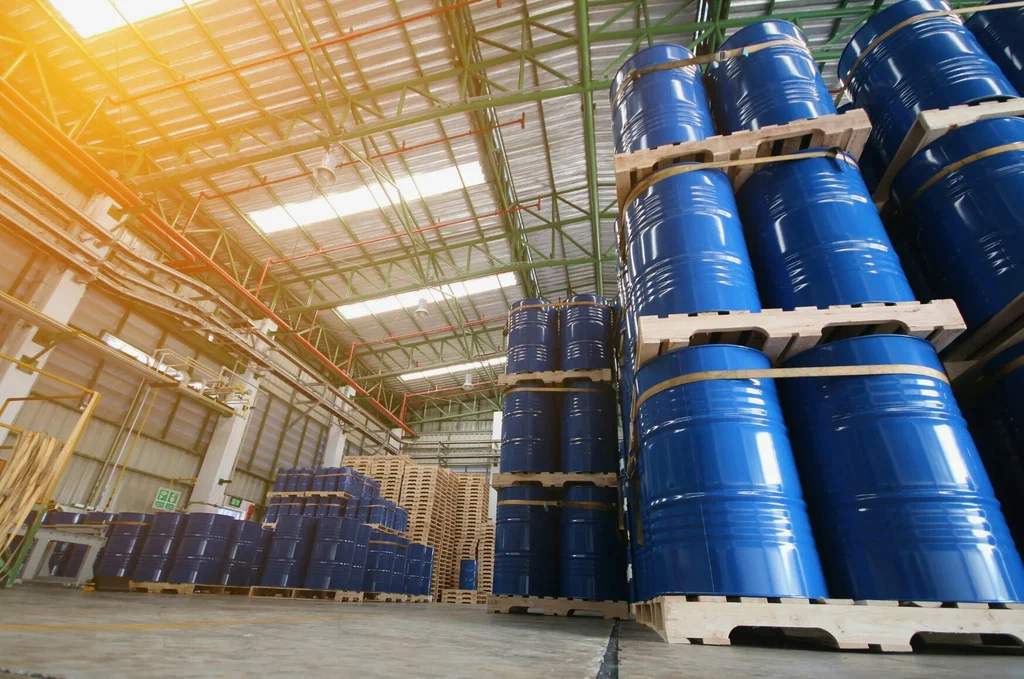
The chemical sector plays a crucial role in the industrial and economic development of Pakistan. Among the top contributors to this sector are the chemical industries in Lahore, known for their innovation, quality, and compliance with global standards. With the rise of local manufacturing, sustainable practices, and increasing demand across various sectors, Lahore’s chemical industry has become a central hub in Pakistan’s chemical landscape.
Overview of Chemical Industries in Lahore
Lahore, the capital of Punjab, stands as a major industrial city that houses a wide array of chemical manufacturing plants. These industries are involved in the production of chemicals ranging from basic industrial compounds to specialized formulations used in pharmaceuticals, textiles, agriculture, and food processing. The chemical industries in Lahore are not only fulfilling domestic demand but also exporting to international markets, contributing significantly to Pakistan’s GDP.
What sets Lahore’s chemical sector apart is its emphasis on modernization. With a blend of local expertise and international partnerships, companies in the region are adopting the latest technologies and stringent safety protocols to meet global quality standards. These advancements have helped the city secure a firm place in the national and international supply chains.
Growth and Development of Chemical Companies in Pakistan
Over the past decade, chemical companies in Pakistan have undergone a significant transformation. From being import-dependent, the country has made substantial strides in producing chemicals locally. This shift is largely attributed to the rapid industrialization of cities like Lahore and Karachi, where strategic investments have fueled the growth of chemical plants, R&D centers, and distribution networks.
Lahore plays a pivotal role in this transformation. Its geographical location, skilled workforce, and robust infrastructure make it an ideal city for industrial operations. The chemical industries in Lahore benefit from access to raw materials, utilities, and transportation facilities, enabling them to deliver products efficiently and cost-effectively.
Additionally, the government of Pakistan has introduced various incentives and policy reforms to support the chemical sector. These include tax breaks for new manufacturing units, subsidies for research and development, and simplified regulatory procedures. As a result, more entrepreneurs and investors are showing interest in establishing chemical companies in Pakistan, especially in Lahore.
Types of Chemicals Produced in Lahore
The diversity of chemicals produced in Lahore is vast. Here’s a closer look at some of the key categories:
- Industrial Chemicals: These include acids, alkalis, solvents, and other basic compounds used in manufacturing, mining, and construction.
- Agricultural Chemicals: Fertilizers, pesticides, and herbicides form an essential part of Lahore’s chemical output, supporting Pakistan’s vast agricultural sector.
- Textile Chemicals: Given that Lahore is also a hub for textile manufacturing, a wide range of dyes, bleaching agents, and finishing chemicals are produced locally.
- Pharmaceutical Ingredients: With the rise in health awareness and local drug manufacturing, several chemical companies in Pakistan now specialize in APIs (Active Pharmaceutical Ingredients) and excipients.
- Food Additives and Preservatives: From emulsifiers to preservatives, the food processing industry in Lahore relies heavily on chemical suppliers to meet quality and safety standards.
These products are manufactured under strict quality control systems, with many companies acquiring ISO certifications and adhering to REACH and GHS standards for chemical safety.
Key Players Among Chemical Industries in Lahore
Lahore is home to numerous reputable chemical manufacturers and suppliers. These companies range from long-established giants to emerging startups, all playing a vital role in the country’s chemical ecosystem.
Some of the most prominent names have built a reputation for quality, reliability, and innovation. They are known for investing in R&D, embracing green chemistry, and offering customized solutions to clients across various sectors. These key players not only meet local demands but also serve export markets in the Middle East, Africa, and South Asia.
Moreover, many of these chemical companies in Pakistan are part of industrial associations and clusters that promote collaboration, skill development, and technological advancement. This collaborative approach ensures continuous growth and adaptability in a competitive global market.
Challenges Faced by Chemical Companies in Pakistan
Despite the progress, chemical companies in Pakistan face several challenges. One of the major hurdles is the fluctuating cost and availability of raw materials, which can disrupt production cycles and affect pricing. In addition, the chemical industry often deals with complex regulatory requirements related to safety, environmental compliance, and transportation.
Lahore, being an urban center, also faces infrastructural challenges such as traffic congestion and energy supply issues, which can hinder timely operations. However, many firms have adopted alternative solutions like captive power generation, lean manufacturing, and ERP systems to mitigate these risks.
Another critical challenge is ensuring environmental sustainability. Chemical manufacturing can have significant environmental impacts if not managed responsibly. Thankfully, many chemical industries in Lahore are now investing in eco-friendly technologies, wastewater treatment plants, and pollution control measures to minimize their carbon footprint and adhere to national environmental regulations.
Future Outlook for Chemical Industries in Lahore
The future of the chemical industries in Lahore looks promising. With the increasing demand for quality chemicals across sectors like healthcare, food, textiles, and construction, the need for reliable suppliers is higher than ever. Lahore’s strategic location, combined with its skilled workforce and industrial infrastructure, positions it well to continue leading this growth.
In the years to come, we can expect to see more innovation in green chemistry, digital transformation, and supply chain optimization. Emerging technologies like AI, automation, and data analytics will further enhance productivity and quality control in chemical manufacturing.
Moreover, as Pakistan continues to strengthen trade ties with neighboring countries and regional blocs, the export potential for Lahore’s chemical sector is immense. By focusing on innovation, sustainability, and international standards, chemical companies in Pakistan can significantly boost their global competitiveness.
Conclusion
Lahore has emerged as a powerhouse in Pakistan’s chemical sector. The chemical industries in Lahore are not just keeping up with international standards—they are setting new benchmarks in innovation, sustainability, and customer satisfaction. From industrial chemicals to pharmaceuticals and agriculture, these industries are the backbone of many vital sectors in the country.