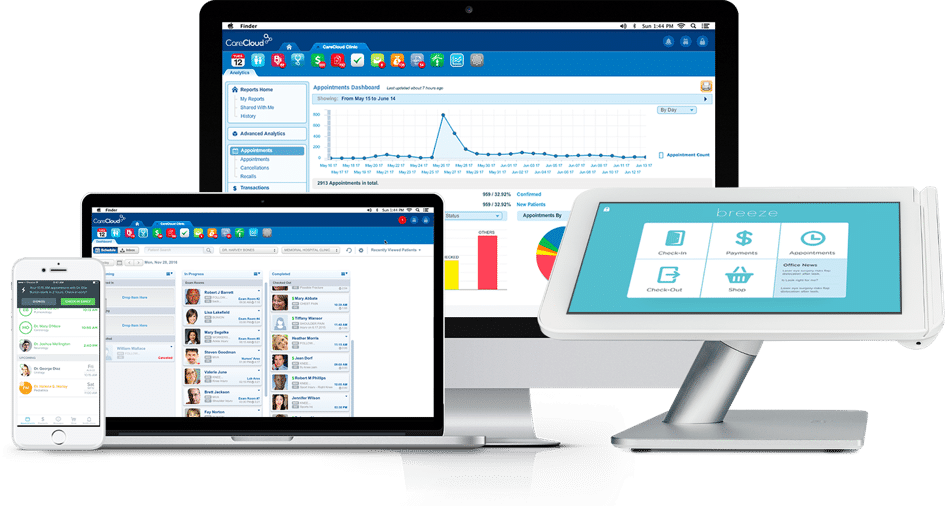
In the ever-evolving healthcare landscape, the role of medical billing software has become increasingly crucial for both small and large practices. As we step into 2025, the significance of efficient revenue cycle management (RCM) cannot be overstated. This article delves into how medical billing software is shaping the destiny of small practices, exploring key strategies and technological trends set to redefine the landscape.
Understanding Revenue Cycle Management
Overview of RCM
Revenue cycle management keeps the business side of healthcare running. It covers everything from the moment a patient schedules an appointment to the final payment being collected. That includes billing, claims, follow-ups, and more. When it runs smoothly, your practice stays financially healthy, and that means you can stay focused on patient care.
Stages of RCM
1. Patient Pre-Registration: Streamlining the initial contact with patients.
2. Financial Protection Verification: Ensuring accurate coverage details for efficient billing.
3. Charge Capture: Accurate documentation of provided services.
4. Coding and Billing: Translating services into billable codes.
5. Claim Submission: Make a timely submission to avoid delays in reimbursement.
6. Payment Posting: Tracking and reconciling payments received.
Optometry Practices and RCM
Key Strategies for 2025
- Technological Trend in RCM: Getting up to speed with the latest technologies to enhance efficiency.
- Digitizing the RCM System: Moving towards a paperless environment for streamlined operations.
- Coding and Billing Trends: Staying updated with evolving coding practices for accurate Billing.
- Optimize Verification and Authorization: Minimize claim rejections through detailed verification.
- Focus on Denial Management: Proactively addressing and resolving denied claims.
Medical Billing Software and Revenue Cycle Management
Key Modules of Medical Billing Software
- Appointment Scheduling: Efficiently managing patient appointments.
- Billing and Invoicing: Streamlining the billing process for accurate claims.
- Claims Management: Monitoring the entire lifecycle of a claim.
- Reporting and Analytics: Providing insights for informed decision-making.
Benefits and Potential Issues
When it comes to medical billing software, it’s important to know both the perks and the pitfalls. Understanding what it can do, and where it might trip you up, makes all the difference in choosing the right system.
Benefits:
- Increased Efficiency: One of the primary advantages of medical billing software is the significant boost in operational efficiency. Automated processes organizes workflows, reducing manual interventions and the likelihood of errors.
- Reduced Errors: Precision is paramount in healthcare billing, and medical billing software excels in minimizing errors. Automated billing systems ensure accuracy in coding and documentation, reducing the risk of billing discrepancies.
- Faster Reimbursement: Timely reimbursement is a key metric for the finance side of healthcare practices. Medical billing software expedites the claims process, leading to faster reimbursement cycles and improved cash flow.
Potential Issues:
- Initial Implementation Challenges: The transition to a new system can present challenges during the initial implementation phase. Staff may face a learning curve, and there could be temporary workflow disruptions. Adequate training and support are essential to mitigate these challenges.
- Staff Resistance to Change: Introducing new technology often encounters resistance from staff accustomed to existing processes. Overcoming this resistance requires effective communication, training programs, and showcasing the long-term benefits of the new system.
Important Considerations
Before jumping into medical billing software, it’s worth thinking through a few key factors to make sure it fits smoothly into your workflow.
- Scalability: The chosen software should be scalable to accommodate the growing needs of healthcare practice. As the volume of patients and services expands, the software should be able to adapt and scale without compromising performance.
- Customization: Every healthcare practice is unique, and the software should allow customization to align with specific requirements. Tailoring the system to match the intricacies of the practice ensures optimal functionality and efficiency.
- Integration with Existing Systems: Compatibility with the existing systems is crucial for a smooth transition. The chosen medical billing software should smoothly integrate with electronic health records (EHR), practice management systems, and other existing tools to avoid data silos.
EMR Systems vs. Medical Practice Management Software
Electronic Medical Record (EMR) systems and Medical Practice Management Software play distinct yet interconnected roles in the healthcare ecosystem. EMR systems are all about the clinical side, they store patient records, track medical histories, and keep test results organized and accessible. They also help providers deliver accurate, informed care.
Practice management software, on the other hand, handles everything behind the scenes. From appointment scheduling and billing to reports and administrative tasks, it pulls all the non-clinical pieces together in one place.
While EMRs support better patient care, practice management software keeps the business running smoothly. Together, they cover both sides of the operation – clinical and administrative – so, the whole system works in sync.
Standard Features of Medical Billing Software
- Automated Billing: Streamlining the billing process through automation, reducing manual errors, and expediting reimbursement.
- Claim Scrubbing: Identifying and correcting errors in claims before submission, ensuring compliance, and reducing claim rejections.
- Electronic Remittance Advice (ERA): Automating the reconciliation of payments and providing detailed information on payment adjustments.
- Patient Eligibility Verification: Verifying patient eligibility to prevent claim denials and ensure accurate billing.
What to Consider Before Picking Medical Billing Software
- Vendor Reputation: Research and evaluate the software vendor’s reputation. Reliable vendors with a track record of successful implementations instill confidence in the software’s reliability.
- User-Friendly Interface: An intuitive and user-friendly interface is crucial for staff adoption. Software that is easy to navigate reduces training time and enhances overall user experience.
- Compliance with Industry Standards: Ensure the chosen software complies with regulations and standards. Adherence to compliance requirements safeguards against legal issues and ensures data security.
Choosing and implementing medical billing software is a powerful strategic move. To get it right, you need a clear understanding of the benefits, possible roadblocks, and what really matters for making it work in the day-to-day flow of healthcare operations.
Conclusion
For small practices looking to stay competitive in 2025, adopting reliable medical billing software has become extremely important. As healthcare continues to evolve, keeping up with new technologies and streamlining surety processes can make all the difference in how efficiently a practice runs.
By choosing the right billing tools and integrating them into everyday workflows, small practices can cut down on administrative headaches, speed up payments, and get a clearer view of their financial health. It’s not just about keeping up – it’s about building a foundation for long-term growth.