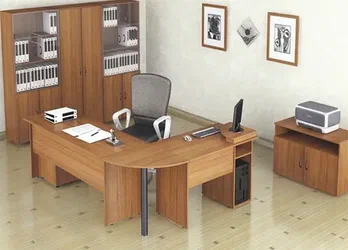
Creating a productive and comfortable workspace is essential for any business looking to maximize employee efficiency and well-being. One of the most critical components of an effective office environment is the selection of appropriate office furniture. The right office furniture not only enhances the aesthetic appeal of the workspace but also supports ergonomics, promotes collaboration, and improves overall employee satisfaction. Investing in high-quality office furniture is an investment in the success and longevity of any business, making it a key focus for companies of all sizes.
When selecting office furniture, businesses should consider the functionality and design that best suit their specific needs. Ergonomic chairs and adjustable desks, for example, help reduce strain and fatigue, allowing employees to maintain better posture throughout the workday. Ergonomic furniture is designed to minimize discomfort and physical stress, which can lead to fewer health-related absences and greater productivity. In addition, modular furniture that can be reconfigured for different tasks or team sizes provides flexibility in an ever-changing work environment. With more companies embracing remote and hybrid work models, versatile office furniture that adapts to both in-person and virtual collaboration spaces is becoming increasingly important.
How Office Furniture Enhances Workplace Well-being and Efficiency
Well-designed office furniture plays a pivotal role in promoting employee well-being, which directly correlates to efficiency and job satisfaction. Comfortable seating with adequate lumbar support, desks at appropriate heights, and well-placed storage units can dramatically reduce physical discomfort. This not only helps employees focus better on their tasks but also minimizes distractions caused by discomfort or clutter. A workspace that prioritizes employee comfort tends to foster a positive atmosphere, reducing stress and encouraging creativity.
Moreover, office furniture impacts how teams interact and collaborate. Collaborative workspaces equipped with communal tables, lounge seating, and writable surfaces encourage communication and teamwork. These environments can spark innovation by facilitating spontaneous discussions and idea sharing. Conversely, quiet zones furnished with privacy screens and sound-absorbing materials offer employees places to concentrate on individual tasks. Thoughtful office furniture design that balances open collaborative areas with private workstations creates a harmonious and efficient workspace that meets diverse work styles.
Trends in Modern Office Furniture Design
The evolution of office furniture reflects changing work habits and technological advancements. Modern office furniture design emphasizes sustainability, multifunctionality, and aesthetic appeal, aligning with the growing focus on environmental responsibility and employee experience. Sustainable materials such as reclaimed wood, recycled metals, and biodegradable fabrics are increasingly popular, as businesses seek to reduce their ecological footprint. Additionally, manufacturers are creating furniture pieces that serve multiple purposes, such as desks with integrated charging ports, storage, and adjustable height settings, catering to dynamic office environments.
Another significant trend is the incorporation of biophilic design elements in office furniture, which involves integrating natural elements into the workspace to improve well-being. Furniture with organic shapes, natural wood finishes, and green partitions or planter stands brings nature indoors, creating a calming atmosphere. This connection to nature has been shown to reduce stress and enhance cognitive function. Stylish and ergonomic furniture pieces are also designed to complement diverse office aesthetics, from minimalist and industrial styles to vibrant, creative spaces, allowing businesses to maintain a cohesive brand identity throughout their environment.
Choosing the Right Office Furniture for Your Business Needs
Selecting the right office furniture involves careful consideration of the business’s operational needs, employee preferences, and budget constraints. Before purchasing, it’s important to evaluate how the workspace is used and what activities require support. For example, a call center may prioritize acoustic privacy and comfortable chairs for long hours of sitting, while a design studio might need flexible seating arrangements and adjustable desks to foster creativity.
Ergonomics should always be a top priority, as investing in furniture that supports health and comfort pays off in the long run through improved productivity and reduced absenteeism. Adjustable chairs, sit-stand desks, monitor arms, and footrests can be customized to individual employee needs, creating a more inclusive workplace. Additionally, quality materials and durable construction ensure longevity, making office furniture a cost-effective choice when it can withstand the rigors of daily use without frequent replacement.
Budget planning is essential, but businesses should avoid sacrificing quality for cost. There are various price points available, and it is often possible to find furniture that balances affordability with durability and ergonomic features. Considering warranties and customer support when choosing suppliers also adds value, ensuring that investments are protected and maintained over time.
The Role of Office Furniture in Branding and Company Culture
Office furniture is more than just functional equipment; it reflects a company’s values and culture. The style, color scheme, and layout of furniture contribute significantly to the overall atmosphere and employee perception of the workplace. A modern, well-furnished office can communicate professionalism, innovation, and care for employee well-being, all of which influence recruitment, retention, and client impressions.
For companies that emphasize creativity and collaboration, open-plan layouts with colorful, informal seating can encourage a dynamic and inclusive culture. Conversely, businesses that prioritize focus and confidentiality may opt for sleek, private workstations with minimalistic designs. Branding can be subtly integrated into furniture choices through the use of company colors, logos on reception desks, or custom upholstery, reinforcing corporate identity in a tangible way.
Moreover, involving employees in the selection of office furniture can foster a sense of ownership and boost morale. When workers feel their comfort and preferences are valued, it enhances engagement and loyalty. Thus, office furniture decisions can serve as a strategic tool for cultivating a positive and productive workplace culture.
Conclusion: Investing in the Future with the Right Office Furniture
In today’s competitive business landscape, the right office furniture is crucial for creating an environment that supports health, efficiency, and collaboration. From ergonomic seating to flexible workstations and sustainable designs, modern office furniture offers solutions that meet the diverse needs of today’s workforce. By prioritizing quality, functionality, and aesthetics, businesses can enhance employee well-being and productivity while reinforcing their brand identity.
Choosing the right office furniture involves more than simply filling a space; it’s about shaping an environment that inspires and supports every individual who works there. With careful planning and thoughtful investment, office furniture can transform any workspace into a thriving hub of innovation and success, making it a smart and essential choice for companies moving forward. For those seeking dependable and stylish solutions, “office furniture” provides a comprehensive range of options to meet evolving workplace demands.