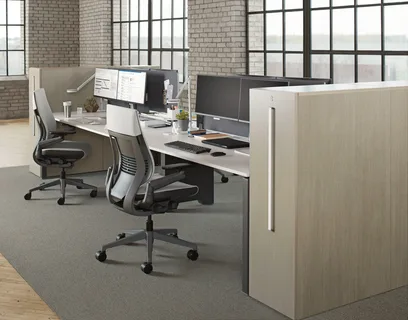
In today’s fast-paced business environment, the design of office furniture plays a pivotal role in enhancing productivity, comfort, and overall workplace aesthetics. Among all furniture pieces, the office table holds a central position, not only as a functional element but also as a statement of style and professionalism. An effective office table design can transform a dull workspace into a vibrant, organized, and efficient environment. This blog explores the essential aspects of office table design and the factors to consider when choosing the perfect office table to optimize your workspace.
Key Features to Consider in Office Table Design
When selecting an office table, the design must balance functionality, ergonomics, and aesthetics. A well-designed office table accommodates the needs of different users and tasks while complementing the overall office décor. Size and shape are crucial; whether opting for a compact desk for small spaces or a larger executive table for meetings and multitasking, the table must fit seamlessly into the office layout without causing clutter.
Material selection also impacts the durability and appearance of office tables. Common materials like wood, metal, and glass each offer distinct benefits. Wood provides a classic and warm feel, metal ensures sturdiness and modernity, and glass introduces a sleek and contemporary look. Additionally, finishes such as matte, glossy, or textured can influence the ambiance and maintenance requirements of the table.
Ergonomics is another critical factor in office table design. Adjustable heights, sufficient legroom, and thoughtful placement of drawers and cable management systems ensure that users maintain good posture and reduce strain during long working hours. An ergonomic office table design contributes significantly to employee well-being and productivity.
Trends Shaping Contemporary Office Table Designs
The evolution of office table design reflects broader changes in workplace culture and technology integration. Open-plan offices, remote working, and collaborative setups demand versatile and adaptable office tables. Modular designs with detachable components, mobile desks on wheels, and convertible workstations have gained popularity due to their flexibility.
Sustainability has also become a major influence in office table design. Many businesses now prioritize eco-friendly materials and manufacturing processes. Tables made from reclaimed wood, recycled metals, and low-VOC finishes align with green office initiatives, appealing to environmentally conscious organizations.
Technology integration is another important trend. Modern office tables often include built-in USB ports, wireless charging pads, and discreet cable channels to support the increasing number of electronic devices in the workplace. This seamless incorporation of technology ensures a clutter-free and efficient work environment.
How Office Table Design Impacts Productivity and Creativity
An office table is more than just a surface for work—it significantly influences how employees feel and perform throughout the day. A thoughtfully designed office table fosters better organization by providing ample storage and surface space, reducing distractions caused by clutter. When employees have everything they need within easy reach, their workflow improves, leading to higher productivity levels.
Creativity is also encouraged by office table designs that support collaboration and communication. Tables arranged in clusters or with shared surfaces invite team members to interact naturally. Features like writable tabletops or integrated pinboards offer additional avenues for brainstorming and idea sharing.
Moreover, an office table’s aesthetic appeal affects motivation and morale. A stylish and comfortable workspace reflects the company’s values and culture, making employees feel valued and inspired. Investing in office table design is an investment in workforce satisfaction and performance.
Choosing the Right Office Table for Different Work Environments
Every workplace has unique needs based on its size, function, and employee preferences. For individual offices or home workstations, a minimalist and ergonomic office table design works best to maximize focus and comfort. Compact desks with built-in storage are ideal for saving space without sacrificing utility.
In contrast, conference rooms require larger tables that facilitate group discussions and presentations. Oval or rectangular tables with cable management solutions and power outlets are preferred to accommodate electronic devices and maintain clean aesthetics.
Coworking spaces and startups benefit from modular office table designs that can be reconfigured easily to match changing team sizes and project requirements. Adjustable-height desks that allow switching between sitting and standing positions promote health and adaptability.
Maintenance and Longevity of Office Tables
To ensure long-term use, maintaining office tables is essential. The choice of materials impacts the cleaning methods and durability of the furniture. For example, wooden tables require periodic polishing to prevent scratches and maintain their finish, while metal and glass surfaces need regular cleaning to avoid smudges and corrosion.
Investing in high-quality office tables designed with durable materials reduces the need for frequent replacements, offering better value over time. Additionally, features such as scratch-resistant coatings and sturdy frames contribute to the table’s lifespan.
Simple maintenance routines, combined with protective accessories like desk pads and coasters, help keep the office table looking new and functional for years, supporting a professional and efficient workspace environment.
The Role of Office Table Design in Branding and Workplace Culture
Office table design does not only serve practical purposes but also acts as a subtle communicator of a company’s identity and culture. Businesses that prioritize innovative and modern office table designs signal a commitment to creativity and forward-thinking. Conversely, classic and robust tables might reflect stability and tradition.
Customizable office tables allow companies to incorporate brand colors, logos, and motifs, reinforcing brand recognition and pride among employees and visitors alike. This alignment between furniture design and corporate values enhances workplace culture and creates a coherent, inspiring environment.
By thoughtfully selecting office tables, companies can foster a workspace that supports collaboration, comfort, and professionalism, leaving a lasting impression on employees and clients.
Conclusion: Elevate Your Workspace with Expert Office Table Design
Choosing the right office table is crucial for creating a workspace that boosts productivity, supports health, and embodies your brand’s values. From ergonomic features and versatile layouts to sustainable materials and tech-friendly elements, the ideal office table combines functionality with style to meet modern workplace demands. Investing in quality office tables not only improves day-to-day operations but also enhances employee satisfaction and organizational image. For those seeking expert guidance and innovative solutions in office table design, the brand “Office table design” offers a comprehensive range of products tailored to transform your office into a dynamic and efficient environment.