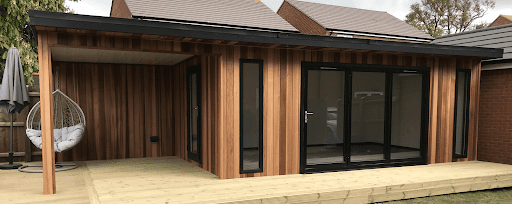
Feeling squeezed? Need a dedicated space for work, hobbies, or simply breathing? Look no further than your own garden. Forget the traditional shed; a new generation of sophisticated garden buildings is transforming UK backyards into havens of productivity, relaxation, and personal sanctuary. These aren’t just structures; they’re solutions tailored to modern British life, offering escape without leaving home.
Why UK Gardens Are the Perfect Sanctuary Spot
Our homes are our castles, but they can sometimes feel like crowded ones. Open-plan living, remote work challenges, multi-generational households, and the constant buzz of modern life mean true peace can be elusive. Your garden, however, offers untapped potential:
- Separation, Not Isolation: Physically stepping away from the main house creates crucial mental space.
- Connection with Nature: Large windows and doors flood these spaces with light and offer calming garden views.
- Utilising Existing Space: No need for costly extensions or moving house. Maximise your plot.
- Personalisation: Create a space designed purely for your needs and tastes.
Let’s explore the key players creating these perfect sanctuaries:
1. Insulated Garden Rooms: Your Year-Round Retreat
Gone are the days of freezing in winter and sweltering in summer. Modern insulated garden rooms are designed for comfortable, year-round use. High-quality insulation in the walls, floor, and roof is the game-changer.
Why Insulation is Non-Negotiable in the UK:
- Comfort: Maintains a pleasant temperature regardless of the unpredictable British weather – warm in winter, cool in summer.
- Usability: Turns your garden building from a seasonal novelty into a genuine extra room usable 365 days a year.
- Cost-Effective: Reduces the need for excessive (and expensive) heating or cooling.
- Protects Contents: Safeguards electronics, furniture, and belongings from damp and temperature extremes.
Perfect Sanctuary Uses for Insulated Garden Rooms:
- Home Gym: Work out in privacy, anytime, without trekking to a crowded facility.
- Creative Studio: Paint, sculpt, write, or craft in a dedicated, inspiring space free from household distractions.
- Hobby Haven: Model railways, music practice, sewing – finally, a place for your passion projects to live permanently.
- Relaxation Lounge: A serene spot for reading, meditation, yoga, or simply enjoying a quiet cuppa surrounded by nature.
- Teen Den/Games Room: Give older kids or gamers their own independent space, keeping the main house quieter.
Key Features to Look For:
- Double Glazing: Essential for thermal efficiency and noise reduction.
- Quality Construction: Robust timber frames, durable cladding (cedar, composite, powder-coated steel).
- Effective Ventilation: Prevents condensation and ensures fresh air.
- Secure Doors/Windows: Peace of mind for your valuable sanctuary and its contents.
2. Garden Office Pods: Redefining the Work-Life Balance
The remote/hybrid work revolution is here to stay, but working from the kitchen table is unsustainable. Enter the garden office pod – the ultimate solution for productive and peaceful remote work in the UK.
Why a Garden Office Pod Beats the Spare Room:
- Commute-Free Commute: A 10-second walk beats an hour in traffic. Instant work-life separation.
- Professional Environment: Creates a dedicated, business-like atmosphere, boosting focus and productivity.
- Zero Home Distractions: No laundry pile, no fridge calling your name, no family interruptions during calls.
- Improved Wellbeing: Natural light, garden views, and the ability to step outside easily reduce stress.
- Potential Tax Benefits: If used solely for work, running costs may be partially deductible (consult an accountant!).
Designing Your Productive Sanctuary Pod:
- Prioritise Light: Large windows and potentially a roof lantern create an uplifting atmosphere.
- Ample Power & Data: Ensure sufficient sockets, strong Wi-Fi (consider a booster or Ethernet), and provisions for lighting/heating.
- Ergonomics: Plan for a proper desk, comfortable chair, and adequate space to move.
- Storage Solutions: Keep the space tidy and professional with built-in or freestanding storage.
- Personal Touches: Make it inspiring with plants, artwork, and colours you love.
3. Garden Annexes: Flexible Living Solutions
Sometimes, sanctuary means space for loved ones or generating income. Garden annexes are larger, more permanent structures designed to function as independent living spaces.
Creating Multi-Generational Harmony or Income Streams:
- Granny Annex/Independent Living: Provide privacy and independence for elderly relatives while keeping them close for support.
- Adult Child/Guest Suite: Offer returning adult children or frequent guests their own comfortable, self-contained space.
- Long-Term Rental: Generate significant income (subject to planning permission and regulations).
- Short-Term Let (e.g., Airbnb): Create a unique staycation spot (again, check planning rules).
- Live/Work Space: Combine a home office with occasional overnight accommodation.
Essential Considerations for Garden Annexes:
- Planning Permission: This is crucial. Annexes often require formal planning permission due to their size and habitable nature. Always check with your local planning authority.
- Building Regulations: Must comply with stringent regulations covering structure, insulation, fire safety, ventilation, drainage, and accessibility.
- Utilities: Require proper connections to mains water, electricity, drainage (or compliant alternatives like treatment plants), and heating.
- Space & Budget: Significantly larger investment and garden space required compared to standard garden rooms or pods.
Choosing Your Perfect Garden Sanctuary: Key Factors
- Primary Purpose: Be crystal clear on how you’ll use the space 80% of the time (Office? Gym? Guest room?).
- Budget: Establish a realistic budget including foundations, installation, electrics, interior fit-out, and any planning fees.
- Available Space: Measure your garden accurately, considering access for construction and required setbacks from boundaries.
- Planning Rules: Research Permitted Development Rights (PD Rights) for your area. Smaller offices/pods often fall under PD, but height, location, and usage restrictions apply. Annexes almost always need planning permission. When in doubt, consult your Local Planning Authority.
- Quality & Supplier: Choose reputable suppliers with proven experience, quality materials, clear contracts, and good warranties. View show models if possible.
Investing in Peace, Potential, and Property Value
A well-designed and constructed garden building is more than just an extra room; it’s an investment in your quality of life, well-being, and potentially your property’s value. It provides:
- A Dedicated Escape: Your personal sanctuary steps from your back door.
- Enhanced Functionality: Solves space problems without moving house.
- Improved Work/Life Balance: Especially crucial with garden office pods.
- Financial Return: Through rental income or increased property appeal.
Ready to Create Your Garden Sanctuary?
The perfect escape from the hustle and bustle of modern life might be waiting at the bottom of your garden. Whether you crave a productive garden office pod, a versatile year-round insulated garden room, or the flexible space of a garden annexe, these structures offer transformative potential for UK homeowners. Start exploring your options today and unlock the sanctuary you deserve.
FAQ:
Q1: Do I need planning permission for a garden office or room?
A: Often not, thanks to Permitted Development (PD) Rights in the UK. Key PD limits include: max height 2.5m if within 2m of a boundary, max eaves height 2.5m, max overall height 3m (4m for dual-pitched roof), not covering more than 50% of your garden, and not used for primary accommodation (sleeping). Always verify with your local council, as rules can vary (e.g., in conservation areas or on listed properties).
Q2: What about insulation? Is it really necessary?
A: For any space you want to use comfortably year-round (like a garden office pod or multi-use insulated garden room), YES! Proper insulation in walls, roof, and floor is essential for maintaining a stable temperature, preventing damp, and making heating/cooling efficient and affordable. Don’t skip this.
Q3: How much do these garden buildings typically cost?
A: Costs vary widely based on size, quality, materials, insulation, glazing, and fit-out. A basic small garden room might start around £8k-£12k. A well-specified garden office pod could range from £15k-£30k+. A fully compliant garden annexe with utilities will likely start from £40k+ and go significantly higher. Get detailed quotes.
Q4: Can I use a garden building as a bedroom?
A: Using a standard garden room or pod under PD as a permanent bedroom usually isn’t allowed and would likely require planning permission. Garden annexes are specifically designed and built (with planning permission) to be safe, habitable living spaces suitable for sleeping.
Q5: Do garden buildings add value to my property?
A: A high-quality, well-integrated garden building, especially a garden office pod or desirable garden annexe, can significantly increase your property’s appeal and market value. They add functional living space, which is always attractive to buyers. Estate agents often highlight them as key features.
Q6: How long does it take to build one?
A: This depends heavily on complexity, size, and foundation type. A standard garden room or office pod from a specialist supplier, on a prepared base, can often be installed in 1-3 weeks. Larger annexes or highly bespoke designs will take considerably longer, potentially several months, especially factoring in planning and utility connections.