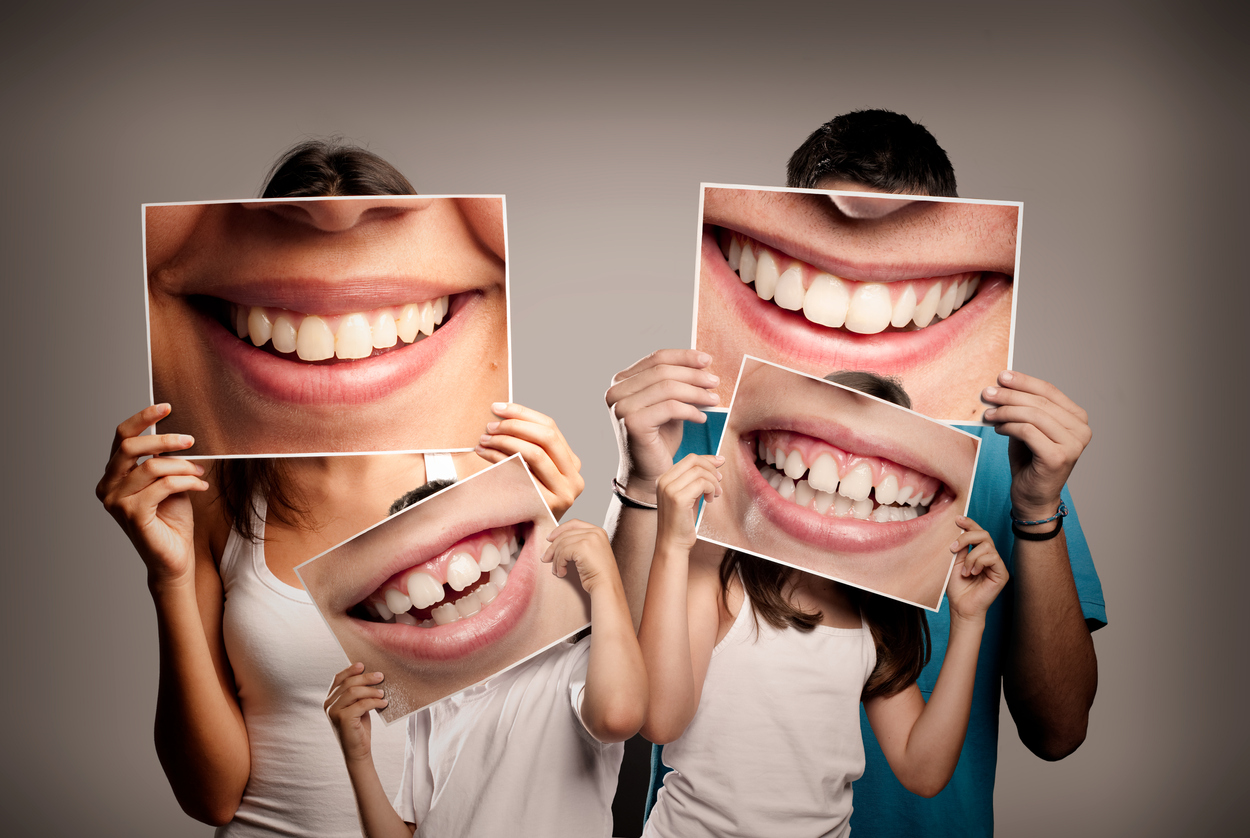
One of the hardest things about getting a smile restoration is that you have to alter normal habits to ensure it lasts as long as possible. While this sounds like a negative, many patients find that their new regimen has numerous other positive side effects, like whiter, healthier teeth and fresher breath.
It might take a few extra minutes each day, but the pay-off is well worth it.
The Numbers That Make Aftercare Worth Taking Seriously
Porcelain veneers can last up to 10 to 20 years with good care and maintenance. But in order to take good care of your veneers, you should avoid biting unnecessarily hard objects to protect your veneers and your natural teeth. Failing to take care of your veneers can lead to discoloration and other concerns you may not like.
Research suggests that veneers that fail prematurely, typically due to chipping, debonding, or fracturing are often traced back to habits like teeth grinding (bruxism) or skipping routine dental visits. Patients who wear a custom nightguard and keep up with regular check-ups show significantly higher veneer survival rates, making these two steps among the most worthwhile investments you can make in protecting your smile.
The financial stakes also reinforce the case for diligent aftercare. Porcelain veneers represent a considerable investment, and unlike natural teeth, they cannot be repaired once damaged, only replaced entirely. Every preventive measure, from using a non-abrasive toothpaste to being mindful of staining foods and drinks, directly protects that investment and helps you get the most out of your veneers long-term.
Choosing Quality Materials Is The First Step
Caring for them is simple. Patients exploring porcelain veneers for teeth in the UK should brush and floss on a regular schedule using a gentle paste like the ones recommended post-treatment. A mouthwash is a good addition if you don’t tolerate the abrasives well, and a water flosser is a fantastic investment for getting into small spots in the gumline. As unappealing as it sounds, simply rinsing thoroughly with water after drinking coffee or wine is another efficient way to prevent stains taking hold.
It’s also worth thinking about your habits beyond the bathroom routine. Veneers respond well to consistency, not just in cleaning, but in how you treat them day to day. Using your teeth as tools to open packaging, chewing on pen lids, or regularly eating very hard foods all place unnecessary stress on the porcelain over time. Small adjustments to these everyday habits cost nothing but can make a meaningful difference to how well your veneers hold up over the years.
What You’re Actually Protecting When You Brush
The porcelain itself doesn’t decay. That’s one of its genuine advantages. What can decay is everything around it.
Margin integrity – the junction where the veneer or crown meets the natural tooth – is where most issues with restorations start. Plaque collects at that junction, and if your biofilm management slips, secondary caries can develop underneath or adjacent to your restoration. You don’t really feel it developing. By the time it’s visible or painful, it’s often too late to just patch things up. The entire restoration has to come out.
This is why how you brush is more crucial than it was pre-treatment. A soft-bristled toothbrush applied with a little gumward pressure in the right direction, twice a day, does the job of cleaning the margin without damaging the surrounding tissue. Gingival recession is partially a mechanical problem. The gum is pulled back because you’re abrading it with the wrong tool. Use the right one.
Also, use a non-abrasive toothpaste. Charcoal toothpastes are too abrasive. So are most whitening pastes with unnecessarily high RDA values. They are not altering the porcelain colour in any manner, and they’re slowly roughening the surface.
The Dietary And Behavioural Risks Most People Underestimate
Porcelain veneers are more resistant to staining than natural enamel. However, the luting cement used to bond the veneer to the tooth is not. Over time, the foods and drinks that stain the edge of your coffee mug every morning – red wine, coffee, tea – will gradually discolour the thin line of cement at the margins, and it will become visible. It’s not that you have to eliminate these drinks completely – just rinse with water and don’t leave residue standing at the gum line.
Then there are the functional risks. Nail-biting, pen caps, tearing into packaging with your teeth, ice cubes – these create shear forces that porcelain isn’t meant to handle. Natural teeth flex minimally under these forces. Porcelain doesn’t. Where the force exceeds what the bond can absorb, the veneer pops off or chips, requiring you to take action sooner rather than later.
Professional Maintenance Looks Different Now
Regular visits to your hygienist are still essential. However, your hygienist must be made aware of your existing restorations. Ultrasonic scalers could potentially damage the bond at the margins of bonded restorations if used incorrectly. A good hygienist will adapt their approach and tools – but only if you’re open about your treatment.
Periodic professional polishing is necessary, using a non-abrasive prophy paste. This will help ensure the glaze is maintained on the porcelain surface. A standard cleaning polish for natural teeth won’t do.
Schedule and keep check-ups at least every six months. The marginal regions that escape your vision at home are exactly what a professional check-up will catch early.
The real work happens between visits. A restored smile is a maintained smile.