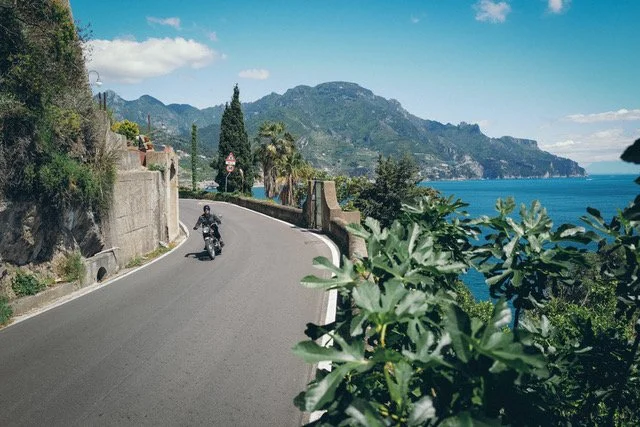
Motorcycles have long represented more than just a method of transportation. Across decades and across continents, two-wheel culture has evolved into a lifestyle, a community, and a symbol of freedom. Despite shifts in technology, urban mobility, and changing consumer preferences, the appeal of motorcycles continues to resonate with riders of all ages.
From younger enthusiasts discovering riding for the first time to experienced riders who’ve been on the road for decades, two-wheel culture has demonstrated remarkable staying power. Several cultural, psychological, and social factors help explain why motorcycles continue to capture the imagination across generations.
A Symbol of Freedom and Individual Identity
One of the strongest reasons why motorcycle culture endures is its connection to personal freedom. Riding a motorcycle offers a sense of independence that many other forms of transport can’t replicate. The open road, the physical connection to the machine, and the heightened awareness of surroundings create an experience that feels both adventurous and personal.
Historically, motorcycles have been closely linked with ideas of rebellion and self-expression. Subcultures such as the British “rockers” of the 1950s embraced motorcycles as symbols of identity, speed, and individuality. Even today, riders often customize their bikes, clothing, and riding style as expressions of personality.
Because these values are timeless, the culture surrounding motorcycles continues to appeal to new generations.
A Strong Sense of Community
While riding is often a solitary experience, the culture surrounding motorcycles is deeply social. Riders frequently form communities through clubs, rallies, group rides, and online forums.
Motorcycle communities can unite people from different backgrounds, ages, and lifestyles through a shared passion for riding. The common interest in bikes and travel often bridges generational differences, creating a strong sense of belonging among riders.
Events such as rallies and group tours highlight this collective spirit. Large gatherings can attract hundreds of thousands of enthusiasts, demonstrating how powerful the shared culture of motorcycling has become.
The Intergenerational Transfer of Passion
Two-wheel culture is often passed down through families. Many riders first experience motorcycles through parents, relatives, or mentors who introduce them to riding.
This transfer of passion creates a cycle where knowledge, traditions, and riding skills are shared across generations. Vintage motorcycle clubs and enthusiast groups help preserve classic bikes and the history of the riding community, further strengthening this generational connection.
In some cases, riders return to motorcycling later in life after being exposed to it in their youth. Demographic research even shows that older riders now represent a significant portion of motorcycle owners, reflecting the long-term loyalty many enthusiasts have to the hobby.
Motorcycles as Both Lifestyle and Practical Transport
Another reason two-wheel culture continues to thrive is the versatility of motorcycles. For some riders, motorcycles are a lifestyle choice tied to leisure, travel, and adventure. For others, they serve as practical transport for commuting or urban mobility.
Motorcycling has developed into a global subculture that combines transportation, recreation, and personal identity. This flexibility allows motorcycles to appeal to a wide range of people, from young urban commuters to long-distance touring enthusiasts.
As cities grow more congested and mobility patterns evolve, motorcycles remain an attractive alternative to larger vehicles in many parts of the world.
Adventure and the Appeal of the Open Road
Motorcycles are closely associated with exploration and adventure. Road trips, scenic routes, and cross-country journeys have become defining aspects of motorcycling culture.
For many riders, the motorcycle represents the freedom to travel spontaneously and experience the world in a more immersive way. This sense of adventure often leads enthusiasts to plan long-distance rides or attend destination rallies.
When riders travel long distances for events or tours, logistics can become part of the planning process. For example, enthusiasts heading to riding destinations sometimes rely on San Antonio car transporters to move their bikes ahead of major trips or relocations.
This combination of travel, community, and adventure reinforces the enduring appeal of two-wheel culture.
Adaptability to Changing Technology
Motorcycle culture has also shown a remarkable ability to adapt. From vintage bikes and café racers to modern sport motorcycles and electric models, the industry continues to evolve.
Technological innovations have introduced safer braking systems, improved performance, and more environmentally friendly options. At the same time, retro styling and vintage restorations have allowed classic designs to remain part of the culture.
This blend of tradition and innovation helps ensure that motorcycles remain relevant to both longtime enthusiasts and new riders.
Why Two-Wheel Culture Endures
Ultimately, two-wheel culture continues to thrive because it connects with universal human desires: freedom, identity, exploration, and community. Motorcycles offer experiences that go beyond simple transportation, creating emotional connections that last for decades.
As long as people continue to seek adventure, independence, and connection with others who share their passions, the culture of riding will remain alive. Across generations, the roar of an engine and the promise of the open road continue to inspire riders around the world.